President Donald Trump has granted presidential pardons to political allies and white-collar criminals this week, sparking a debate over the use of clemency.
The move is significant because it raises questions about whether the executive power of pardon is being used to undermine the judicial system by rewarding loyalty over law. Critics argue that these actions prioritize political donors, and supporters, over public safety and legal accountability.
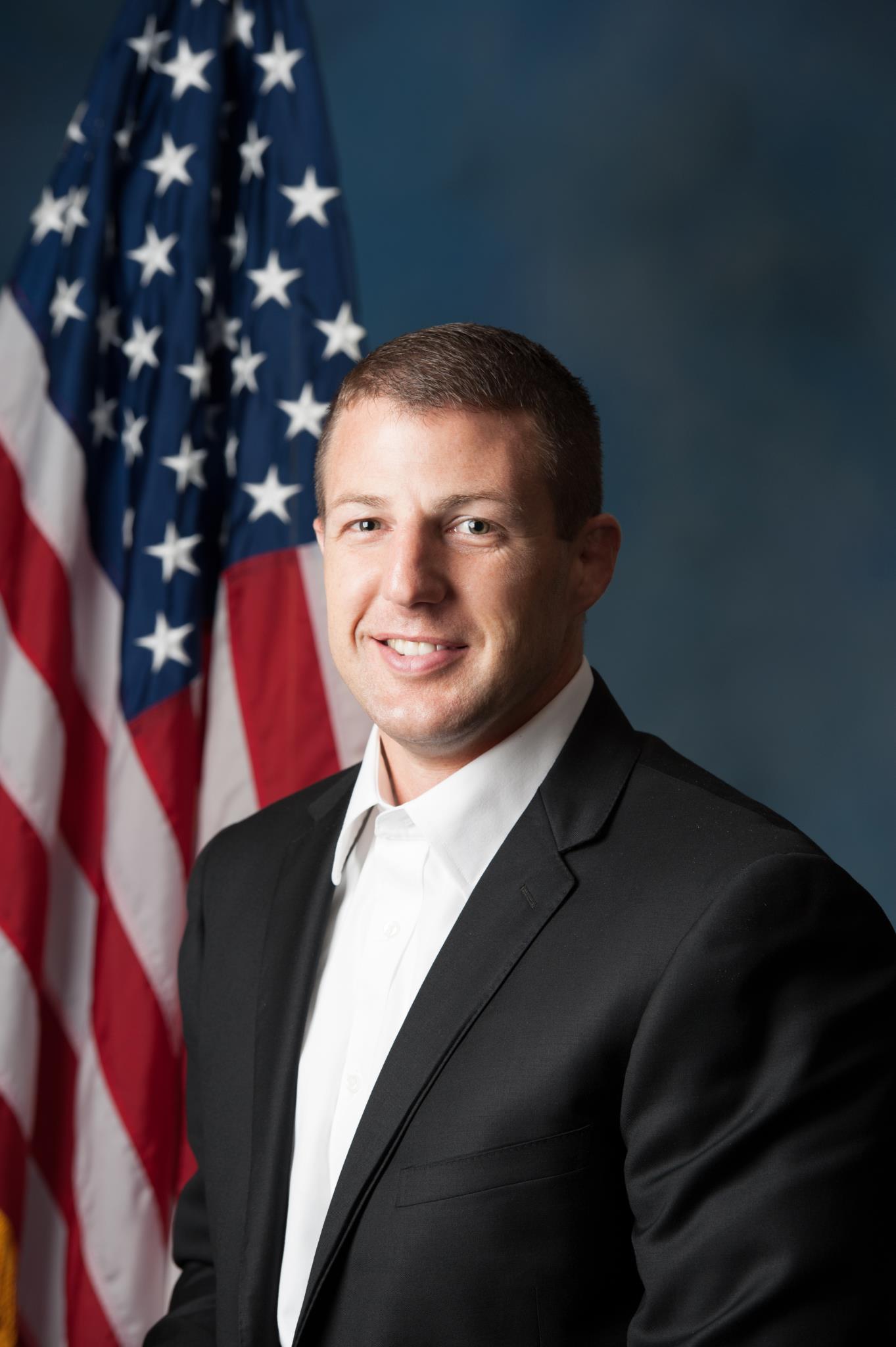
Among those receiving consideration is Stephen Buyer [1], a disgraced lawmaker. The use of these powers has drawn sharp criticism from various media outlets and commentators who suggest the system is being exploited for partisan gain. Some reports indicate that the pardons extend to individuals convicted of insider trading and other financial crimes [2].
John Oliver, speaking on his program, highlighted the potential risks associated with these decisions. "He'll put violent people back in the streets because they support him," Oliver said [3].
The scope of the pardons has varied from high-profile political figures to more obscure cases. While some reports focus on the legal implications for former officials, others have pointed to the absurdity of certain grants, including a pardon given to a buffalo doppelgänger [4].
Proponents of the president's actions argue that the pardons are necessary to correct perceived injustices within the federal legal system. They suggest that the clemency power is a vital tool for ensuring fairness when the judiciary has overreached.
However, legal analysts suggest the current pattern of pardons may create a precedent where political affiliation becomes a primary qualification for escaping criminal penalties [5]. This trend has led to calls for a potential fix to the executive clemency process to prevent future abuses of the office.
“"He'll put violent people back in the streets because they support him"”
The current use of presidential pardons reflects a tension between the absolute constitutional authority of the U.S. president and the principle of equal justice under the law. By pardoning political allies and white-collar criminals, the administration risks eroding public trust in the impartiality of the federal justice system, potentially shifting the perception of clemency from a tool of mercy to a tool of political patronage.