President Donald Trump launched Project Freedom on Monday to protect commercial ships stranded in the Strait of Hormuz following Iranian missile attacks [1].
The initiative comes at a moment of heightened tension in one of the world's most critical oil transit corridors. By deploying naval forces to guide merchant vessels, the U.S. aims to reopen the waterway and counter Iranian efforts to block international shipping.
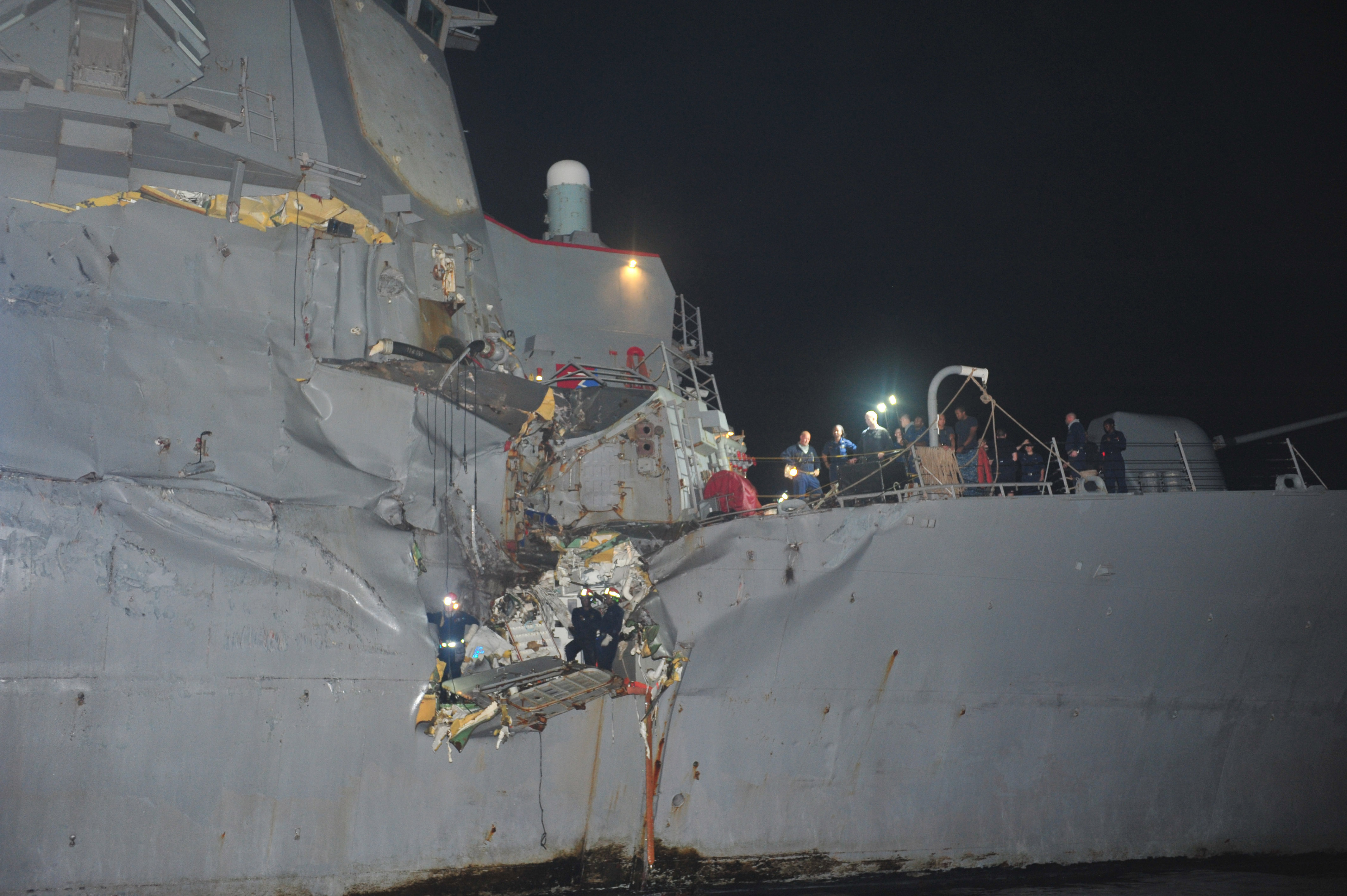
Iran launched missiles and drones targeting a U.S. warship and a port in the United Arab Emirates [1]. While some reports indicate only the warship was targeted, other accounts confirm the strike on the UAE port [1]. In response to these hostilities, U.S. forces destroyed six Iranian small boats [2].
President Trump said, "Project Freedom aims to reopen the Strait of Hormuz and guide stranded vessels safely through" [1]. He said the U.S. would strike Iranian warships if they continue to threaten American forces [1].
The move has drawn sharp condemnation from Tehran. Major General Ali Abdollahi said, "Project Freedom would constitute a violation of the fragile U.S.-Iran ceasefire" [1].
The Strait of Hormuz remains a flashpoint for military conflict due to its strategic importance. The current escalation marks a significant shift in naval operations in the region — moving from passive monitoring to active escort missions for commercial traffic.
Project Freedom is designed to ensure that commercial shipping can resume without fear of seizure or attack. The U.S. Navy is now tasked with providing a security corridor to prevent a total blockade of the waterway [1].
“"Project Freedom aims to reopen the Strait of Hormuz and guide stranded vessels safely through."”
The launch of Project Freedom signals a transition from diplomatic ceasefire efforts to a direct military confrontation over maritime sovereignty. By actively escorting commercial ships, the U.S. is challenging Iran's ability to leverage the Strait of Hormuz as a geopolitical tool, which increases the risk of a wider naval conflict in the Persian Gulf.