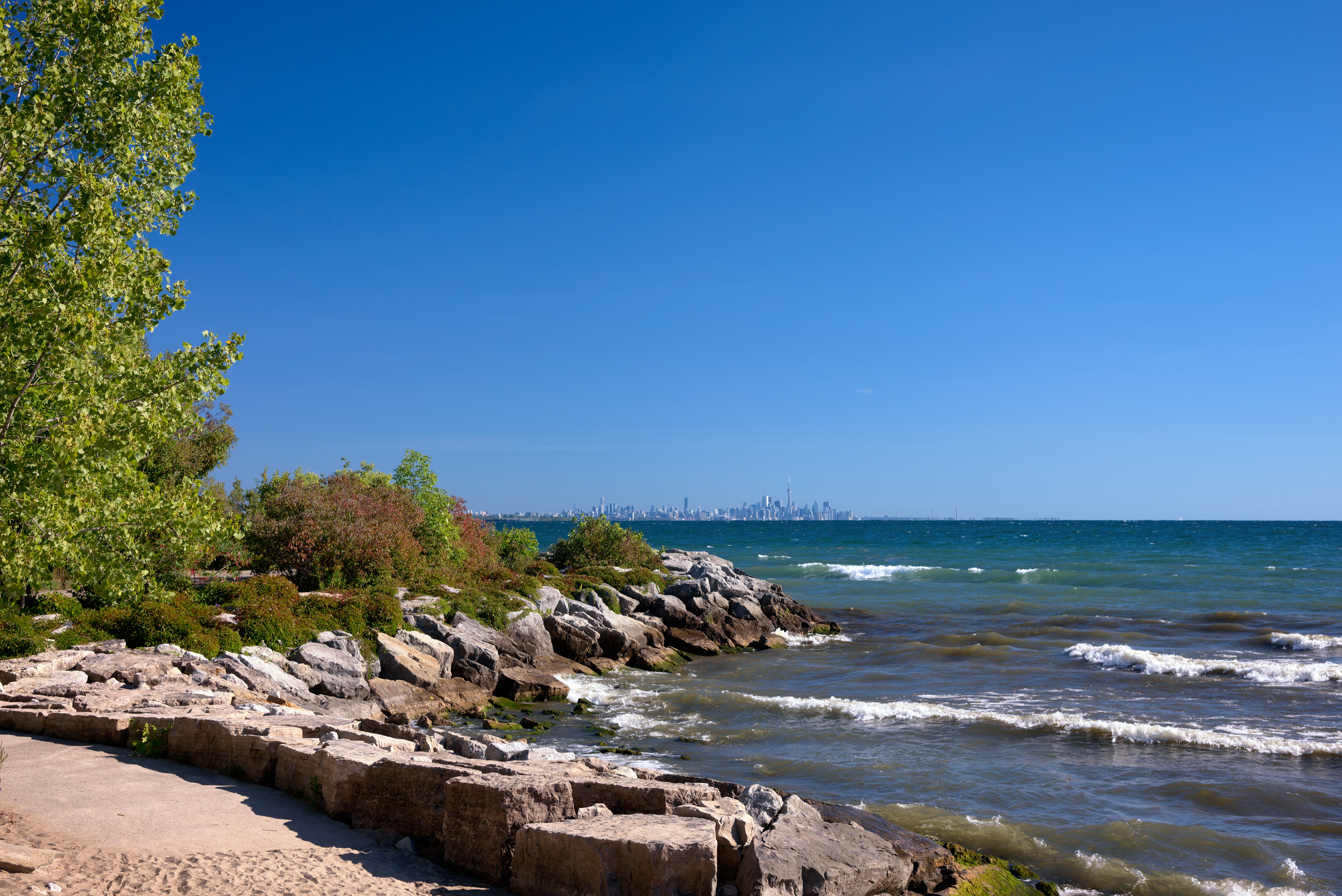
President Donald Trump (R-FL) threatened to rename Lake Ontario to "Lake America" on Tuesday [1].
The proposal marks a significant escalation in a trade war between the U.S. and Canada. It signals a shift toward symbolic confrontation as the two nations clash over trade policies and perceived Canadian protectionism.
Trump made the announcement early Tuesday morning, Aug. 25 [1, 2]. The move appears tied to a specific feud with Ontario Premier Doug Ford regarding trade barriers and economic disputes [3, 5].
"Lake Ontario will be renamed Lake America," Trump said [1].
Lake Ontario serves as a critical border between the U.S. state of New York and the Canadian province of Ontario [1, 4]. The proposed change has drawn criticism from analysts who argue that geographic rebranding does not resolve economic friction.
"Renaming a lake is a symbolic gesture that does nothing to address the underlying trade issues," a political analyst from the National Post said [6].
Legal experts disagree on whether the president possesses the authority to execute such a change. Some reports suggest an executive order could be used, while others point to established bureaucratic hurdles.
"Changing a geographic name would require approval from the U.S. Board on Geographic Names, so the president cannot unilaterally rename it," a geography expert from CTV News said [7].
The trade dispute has intensified recently, with both sides accusing the other of unfair market practices. The tension between Trump and Premier Ford has become a focal point of the broader diplomatic strain between Washington and Ottawa [3, 5].
“"Lake Ontario will be renamed Lake America."”
The threat to rename a shared body of water reflects a strategy of using high-visibility, symbolic gestures to exert pressure during bilateral negotiations. While the legal ability to unilaterally rename a geographic feature is contested, the move serves to heighten political pressure on the Canadian provincial and federal governments to concede on trade terms.


