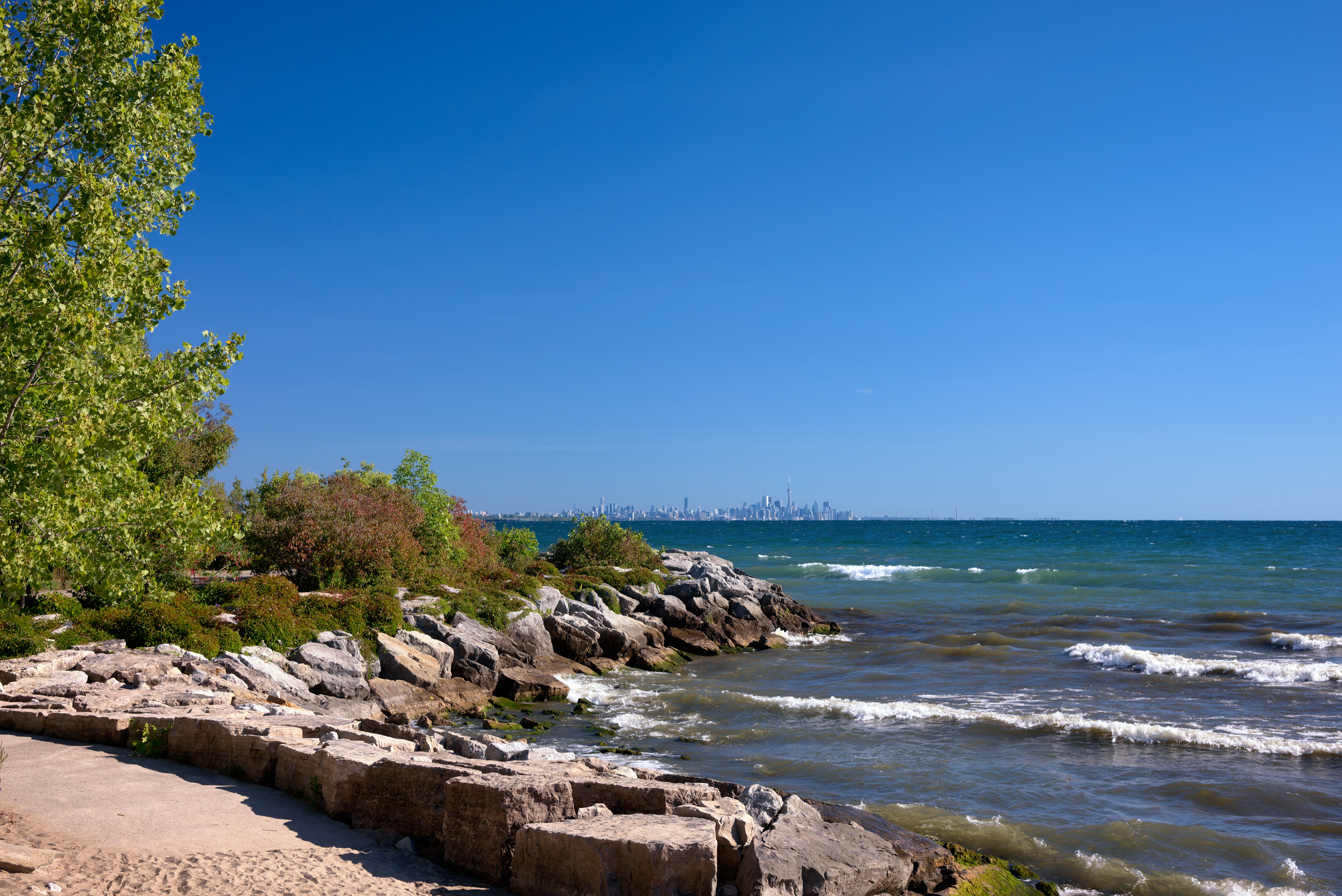
President Donald Trump (R-FL) announced Tuesday that he is considering renaming Lake Ontario to "Lake America" [1].
The proposal marks a sharp escalation in diplomatic tensions between the two neighbors. It signals a shift from traditional economic disputes to symbolic confrontations as bilateral relations deteriorate.
Trump made the announcement on social media on Aug. 25 [1], stating that the U.S. is giving serious consideration to the name change [2]. The lake serves as a natural border between the U.S. state of New York and the Canadian province of Ontario [3].
The threat is a direct response to the collapse of U.S.-Canada trade talks [4]. Both nations have seen an increase in escalating tariffs, leading to a broader trade war that has stalled diplomatic cooperation [4].
"I am giving serious consideration to changing the name of Lake Ontario to Lake America," Trump said [2].
While the president expressed a strong desire for the change, the legal mechanism for renaming a shared international body of water remains unclear. The Great Lakes are managed through various bilateral treaties and agreements, frameworks that typically require mutual consent for significant administrative changes.
This move follows a pattern of using high-profile public statements to apply pressure during trade disputes. By targeting a geographic landmark shared with Canada, the administration is linking national identity to economic leverage [3].
“"I am giving serious consideration to changing the name of Lake Ontario to Lake America."”
This proposal suggests that the U.S. administration is willing to use non-traditional, symbolic levers to signal dissatisfaction during trade conflicts. While renaming a shared body of water would face significant legal and diplomatic hurdles, the statement serves as a public indicator of the severity of the current trade war and the breakdown of formal negotiations with Canada.


