President Donald Trump said the U.S. Space Force can monitor Iranian facilities with enough detail to see names on badges [1].
These assertions signal a strategy of psychological deterrence and military pressure. By highlighting advanced surveillance capabilities, the administration seeks to warn Tehran against pursuing nuclear weapons or engaging in hostile actions.
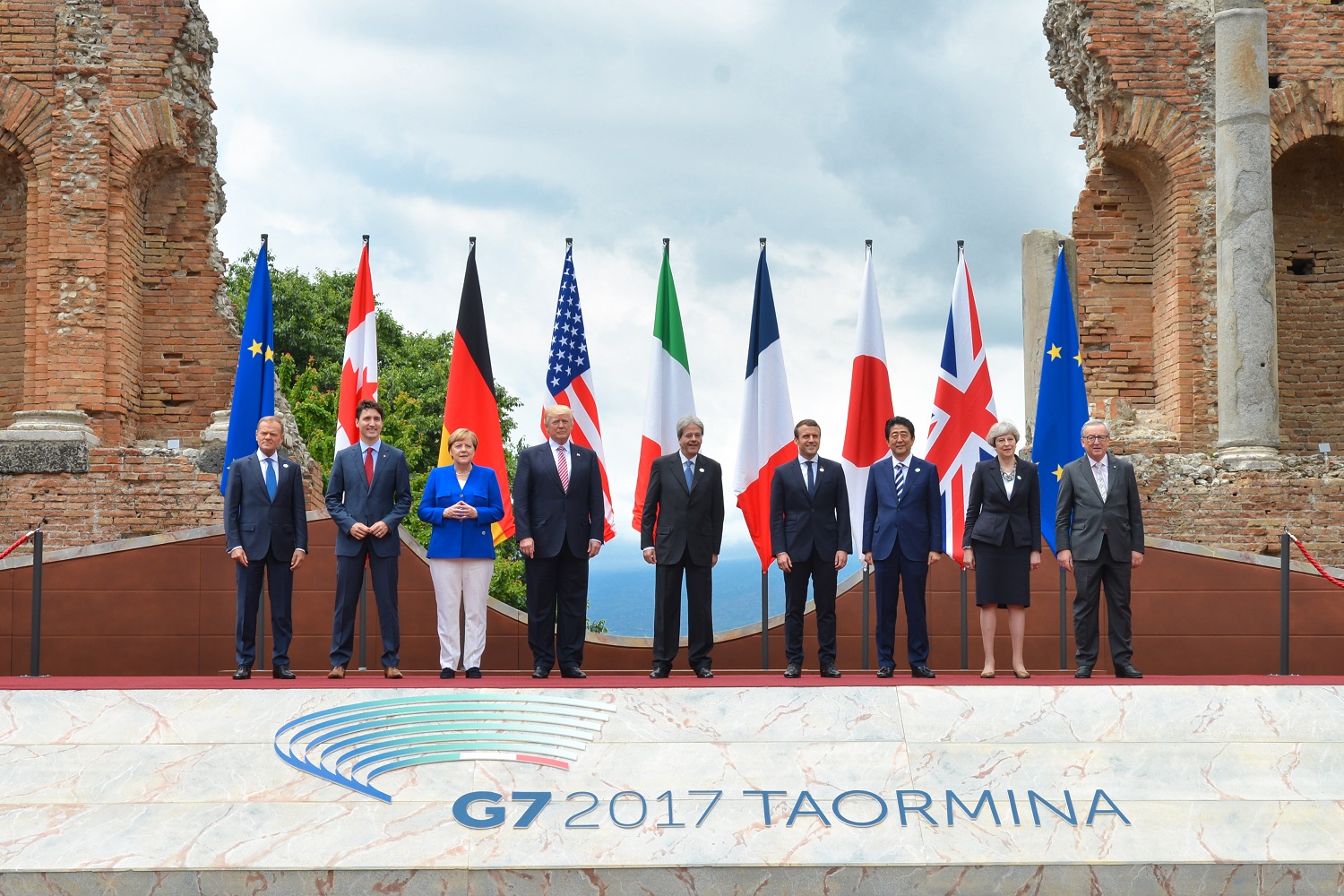
Speaking at a press conference during the G7 summit in France on June 17, 2026 [1], Trump described the reach of the U.S. military's orbital assets. He said the Space Force is closely watching Iranian installations and that the technology allows the U.S. to see things that are unimaginable [1].
Trump linked this intelligence capability to the broader ability to defeat Iran. This follows previous assertions made by the president regarding the state of Iranian military strength. In May, Trump said the Iranian Navy and Air Force had disappeared [3].
During the G7 event, Trump said the U.S. is monitoring the region from space [2]. The president suggested that this level of transparency removes the element of surprise from Iranian operations, a critical component of U.S. strategic superiority.
The president's comments come amid ongoing tensions regarding Iran's nuclear program and regional influence. The administration has previously indicated a willingness to confiscate nuclear materials to prevent the proliferation of weapons of mass destruction [2].
Trump said the current capabilities of the Space Force ensure that the U.S. maintains a decisive advantage in any potential conflict [1].
“pueden ver cosas que no se imaginarían”
The administration is leveraging the perceived technological superiority of the U.S. Space Force to create a 'glass house' effect over Iranian military and nuclear sites. By publicly claiming the ability to identify individuals via satellite, Trump is attempting to degrade the operational security of the Iranian government and signal that any escalation would be met with precise, informed military action.


