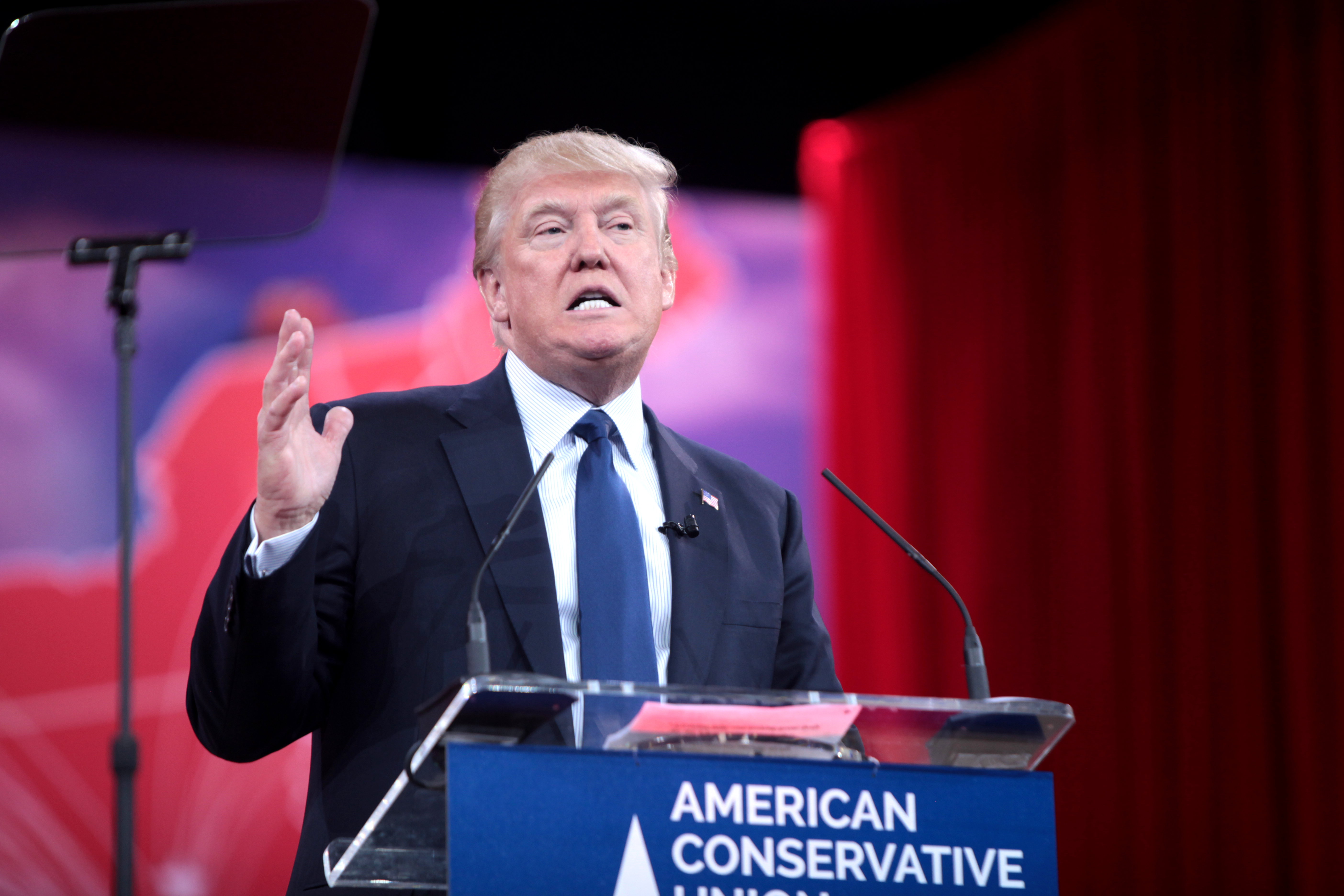
President Donald Trump said the federal government could take over Washington, D.C., if a Democratic socialist wins the mayoral primary [1].
The threat signals a potential escalation in the conflict between the executive branch and the district's local government. Such a move would challenge the existing framework of D.C. home rule and the autonomy of the city's electoral process.
Speaking on Thursday, June 11, Trump said mayoral candidate Janeese Lewis George is a "crazy socialist" [1, 3]. The President said the victory of such a candidate would justify a shift in governance from the local level to the federal level [1, 2].
"Here in Washington, D.C., if a crazy socialist wins the mayoral primary, we could take back the city and run it on a federal basis," Trump said [2]. He said, "I wouldn’t like it — and maybe we take back Washington, run it on the federal basis" [1].
The proposal faces significant legal hurdles. According to a legal analyst, Trump is barred from unilaterally revoking the right of the city to self-govern [3]. Any action to dismantle the current local government structure would require an act of Congress [3].
This tension arises as the city prepares for its primary elections. The prospect of a federal takeover would represent a departure from traditional norms regarding the administration of the U.S. capital.
“"I wouldn’t like it — and maybe we take back Washington, run it on the federal basis."”
This threat highlights a recurring tension between federal authority and D.C. home rule. While the President's rhetoric suggests a direct takeover, the legal reality remains that the District's governing charter is protected by federal law, meaning any actual change in governance would require bipartisan cooperation or a majority vote in Congress rather than a presidential decree.


