
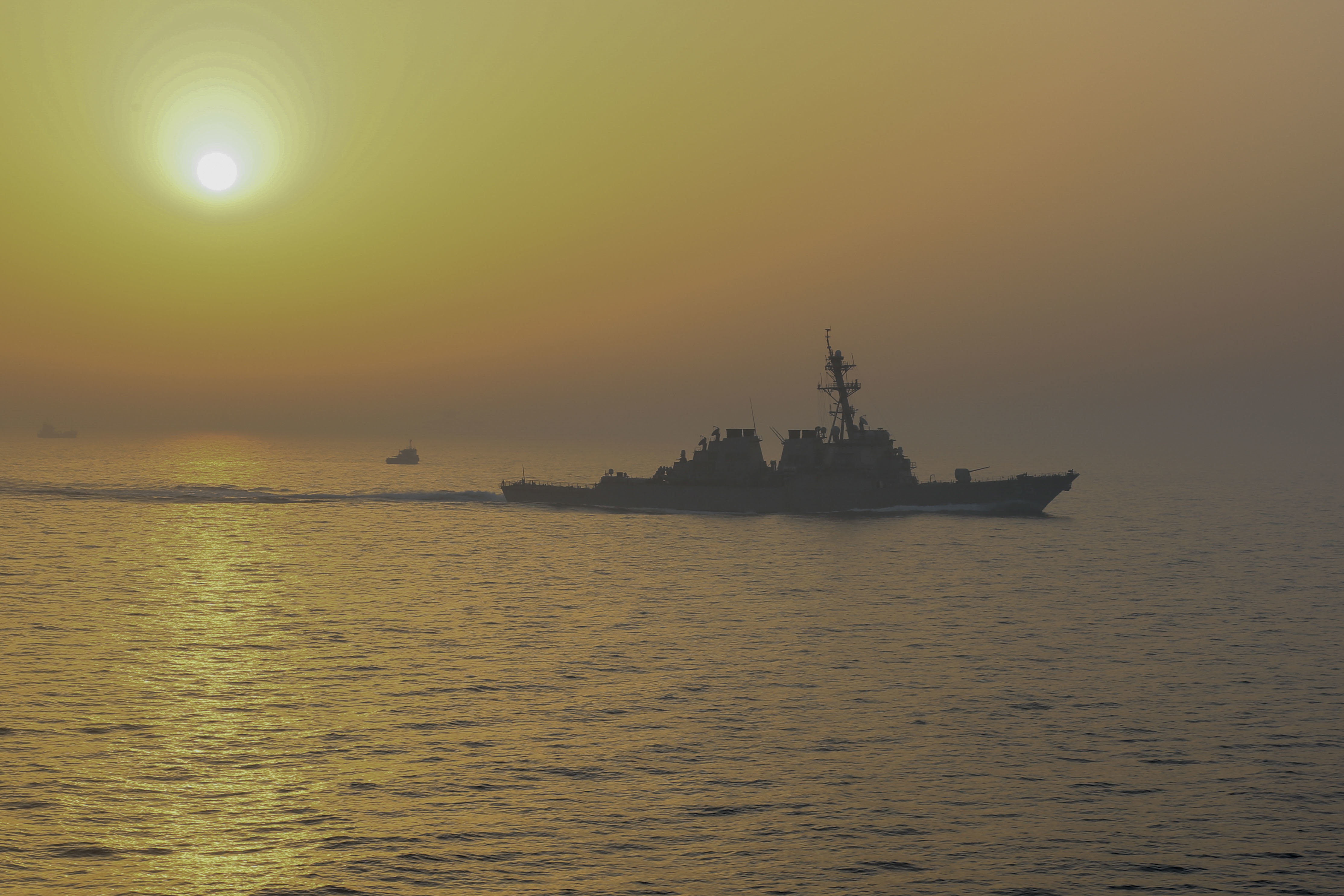
Former U.S. President Donald Trump threatened to "blow up" Oman if the country does not comply with demands to keep the Strait of Hormuz open.
The threat targets a key U.S. ally in a region where any disruption to maritime traffic can trigger global energy price spikes and geopolitical instability. The Strait of Hormuz is the world's most important oil transit chokepoint.
Reports of the warning first emerged on May 27, 2026 [1]. Trump targeted Oman's role in the region, suggesting the nation was either failing to comply with U.S. demands to keep the waterway open or potentially siding with Iran [1], [2].
In a follow-up video published May 28, 2026 [3], the former president emphasized his expectations for the Gulf nation. "Oman will behave," Trump said [3]. He said, "If you don't behave, I'll blow you up" [1].
Oman has historically served as a diplomatic bridge between the U.S. and Iran. The current tension stems from perceived non-compliance regarding the accessibility of the Strait, though specific details on the nature of the closure or the U.S. demands remain limited in public reports [2], [4].
While some reports focus on the failure to keep the strait open [2], others suggest the threat was a response to Oman's perceived alignment with Iranian interests [1]. The aggressive rhetoric marks a departure from traditional diplomatic engagement with the Sultanate, which has long maintained a policy of neutrality, and mediation in the Middle East [4].
“"If you don't behave, I'll blow you up"”
This rhetoric signals a shift toward high-pressure coercion with traditional regional partners. By threatening a neutral mediator like Oman, the former president is leveraging the economic criticality of the Strait of Hormuz to ensure absolute compliance, potentially risking the diplomatic channels that the U.S. typically uses to avoid direct conflict with Iran.


