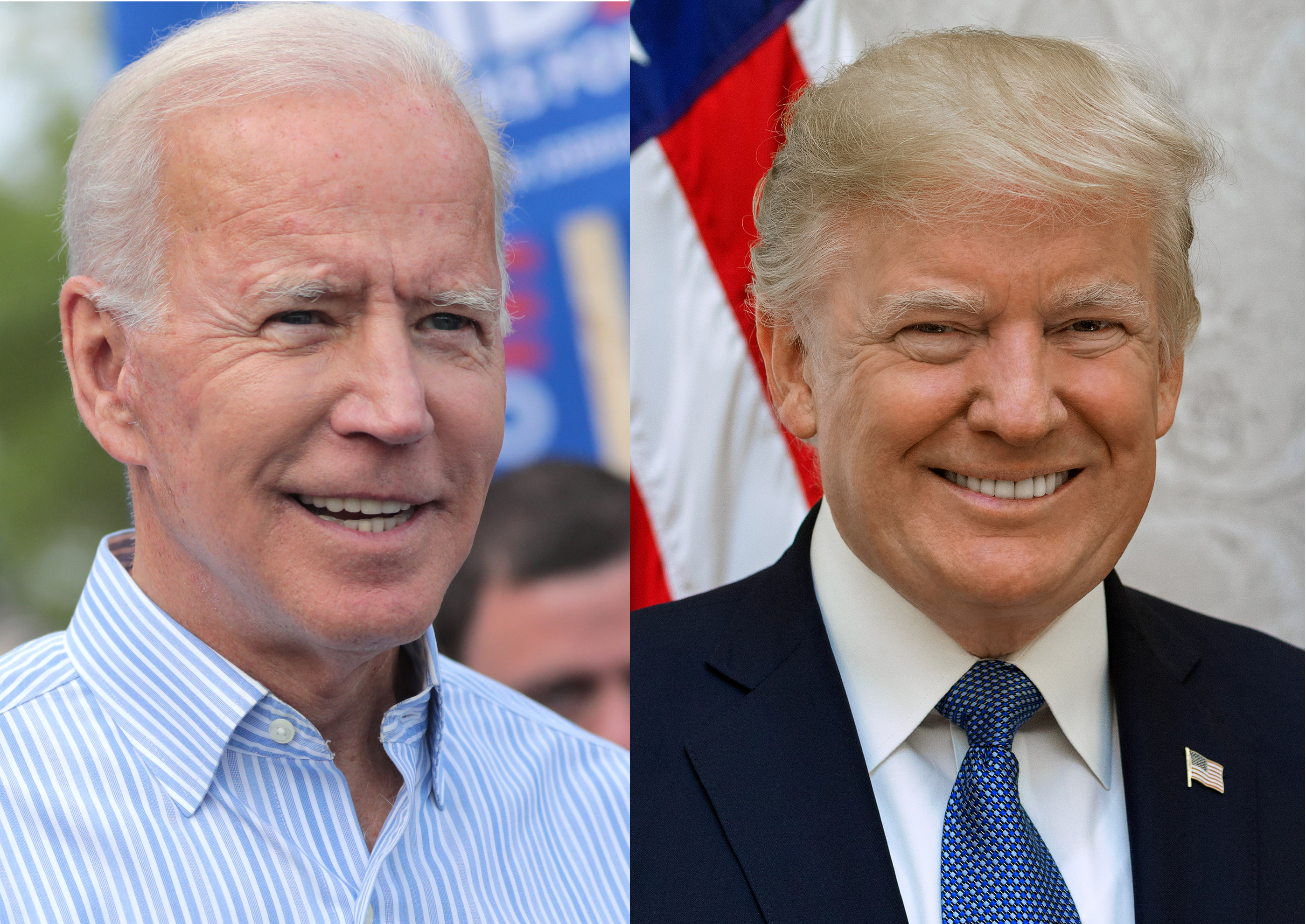
President Donald Trump (R-FL) was secretly moved from Air Force One to a smaller military aircraft in Turkey following a credible Iranian assassination threat.
The operation highlights the extreme security risks facing the U.S. presidency during international summits and the lengths to which the Secret Service will go to ensure presidential safety.
The covert swap occurred on July 8, 2026 [1], during a NATO summit held in Istanbul. U.S. officials said there was a specific threat from Iran targeting Air Force One, prompting a rapid change in transport plans [1], [2]. To maintain secrecy and confuse potential attackers, the Secret Service used a catering truck as a decoy to move the president from the primary presidential aircraft to a different plane [3], [4].
While some reports described the replacement as a general military jet [4], other sources identified the aircraft as a C-32A [2]. The C-32A is a modified Boeing 757 often used by the U.S. government for high-level transport, though it lacks some of the extensive defensive capabilities of the primary Air Force One aircraft.
The operation was coordinated between the Secret Service and Air Force personnel to ensure the transition happened without public notice. The use of a catering truck allowed security teams to move the president across the tarmac while shielding him from view, a tactic designed to mislead observers who might be monitoring the movements of the presidential party.
Trump later confirmed the swap and said that he receives many threats during his tenure. The operation remained classified until details emerged regarding the nature of the Iranian threat and the specific logistics of the Istanbul exit [1], [2].
“Secret Service used a catering truck as a decoy to move the president”
This incident underscores the volatile security environment surrounding U.S.-Iran relations and the tactical flexibility required by the Secret Service. By utilizing a decoy and a secondary aircraft, the U.S. government prioritized stealth over the prestige of Air Force One to mitigate a specific missile or assassination threat, signaling a high level of confidence in the intelligence regarding Iranian capabilities.


