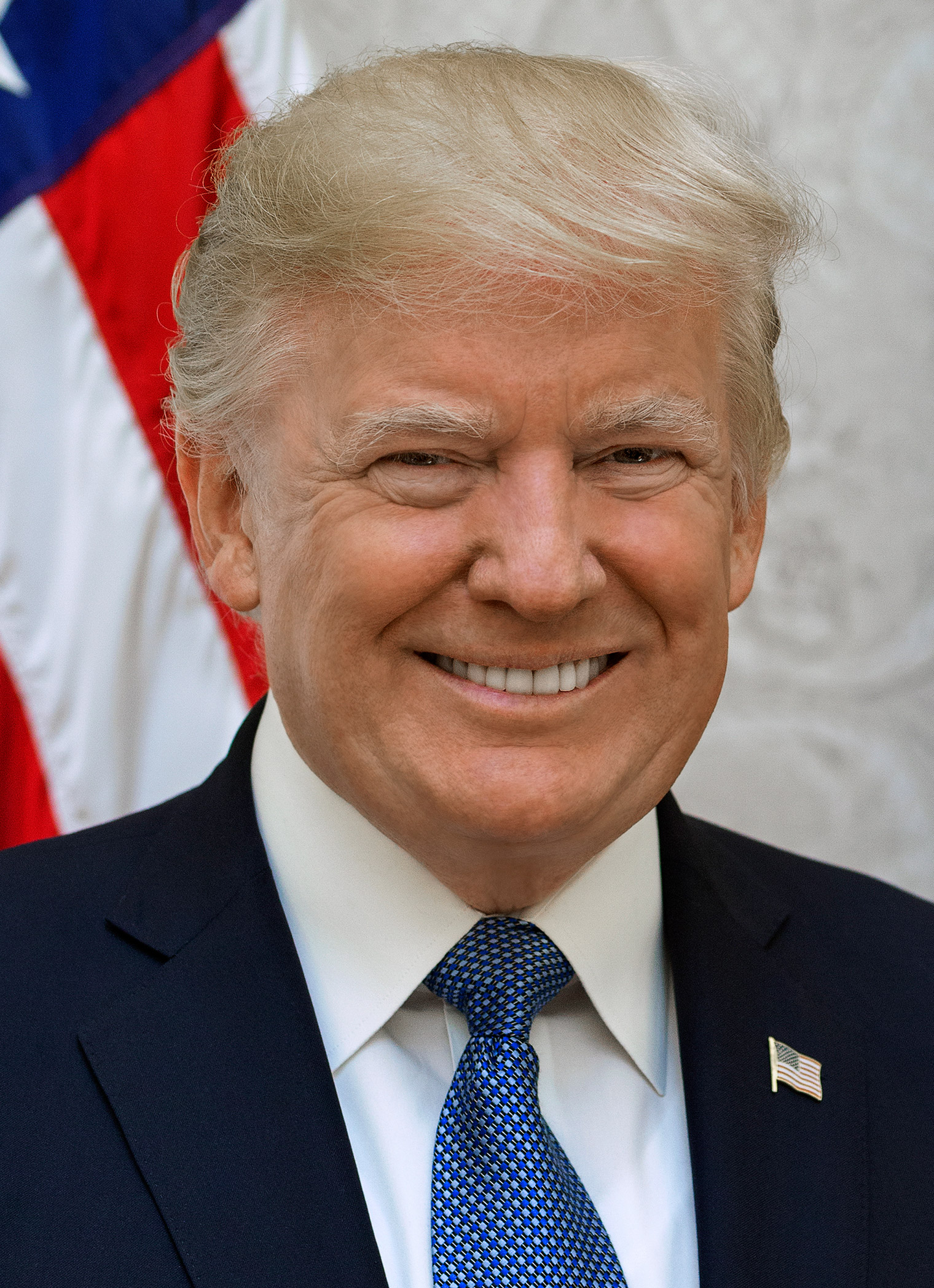
President Donald Trump (R) and JD Vance (R) sparred with Pope Leo over the U.S. stance on the Iran war and his “just war” remarks.
The feud matters because it pits the world’s most powerful political leader against the head of the Catholic Church on a policy that could reshape U.S. Middle‑East strategy and test the separation of church and state. The Pope’s theological warning that God rejects prayers from those who wage war has drawn sharp rebuke from the White House, raising questions about how faith influences foreign policy.
Trump said Iran has “agreed to everything” in talks with the United States and called the Pope’s remarks “weak on crime,” echoing liberal opposition to firm action.
Vice President Vance defended the president and called the Pope’s intervention inappropriate. “The Pope should stay out of U.S. affairs,” Vance said in an interview with The New York Times. He argued that religious leaders have no place dictating American military decisions and warned that the Pope’s stance could embolden Iran’s adversaries.
Pope Leo responded two days later, emphasizing his pastoral role rather than political ambition. “I have no fear of the Trump administration,” the Pope said, reiterating that his comments stem from the Catholic tradition of just war theory, which requires a moral assessment before any conflict.
The controversy coincides with a turbulent week in Washington, where two lawmakers resigned from Congress amid sexual‑misconduct allegations, further highlighting a climate of political instability [1]. Lawmakers and staffers have noted that the high‑profile feud adds to an atmosphere of division both on Capitol Hill and among the American public.
Analysts say the clash could have diplomatic repercussions. While the U.S. seeks to pressure Iran over its nuclear program, the Pope’s moral authority may influence global public opinion and affect coalition building. The exchange also underscores a broader trend of leaders using religious rhetoric to rally domestic support, a tactic that could complicate multilateral negotiations and set a precedent for future interactions between political and religious institutions.
“Iran has "agreed to everything" in talks with the United States.”
The public sparring between the White House and the Vatican highlights how theological concepts like "just war" can become flashpoints in modern geopolitics. As the United States navigates a delicate diplomatic push on Iran, the Pope’s moral critique may sway international opinion and pressure policymakers to justify military actions on ethical grounds, potentially reshaping the discourse around U.S. foreign interventions.


