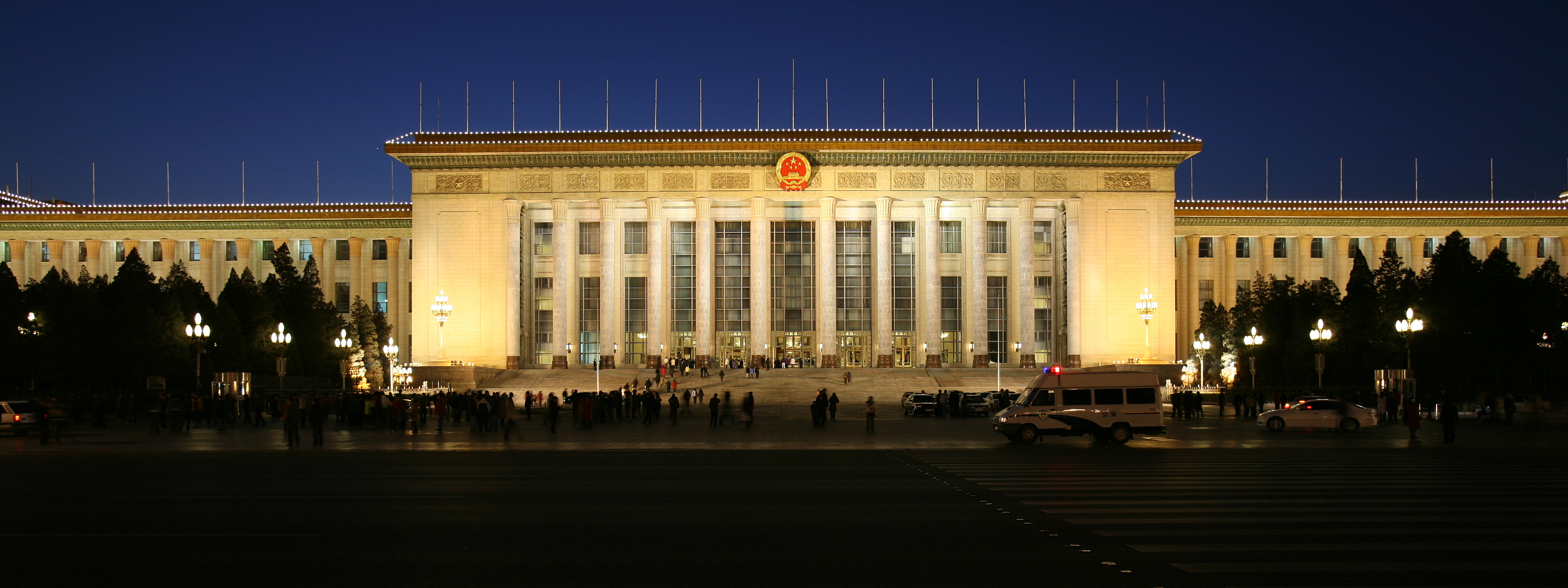
Chinese President Xi Jinping hosted a state banquet for U.S. President Donald Trump at the Great Hall of the People in Beijing this week [1].
The meeting comes at a critical juncture for international relations, as both leaders seek to navigate volatile trade disputes and escalating tensions over Taiwan [2].
The banquet occurred on the second day of Trump's visit to China [2]. The event, held at the Great Hall of the People, served as a diplomatic centerpiece for a series of high-stakes bilateral talks [1, 3]. These discussions are intended to address strategic issues and the broader state of U.S.-China ties [4].
This visit marks the seventh face-to-face meeting between President Trump and President Xi [5]. The frequency of these encounters underscores the priority both administrations have placed on direct communication to manage the competition between the world's two largest economies [5].
While the banquet provided a venue for diplomatic formality, the underlying agenda remains focused on hard-line strategic interests [4]. The talks cover a range of sensitive topics, including trade imbalances, and the security status of Taiwan [2, 4].
Observers said that the lavish nature of the state banquet is a traditional Chinese diplomatic tool used to signal a desire for stable relations, even when the actual policy negotiations are fraught with disagreement [1, 3]. The gathering in Beijing's primary legislative and ceremonial hall emphasizes the official nature of the visit and the scale of the diplomatic effort involved in these negotiations [1].
“Xi Jinping hosted a state banquet for U.S. President Donald Trump at the Great Hall of the People.”
The seventh meeting between Trump and Xi suggests a preference for personal diplomacy over traditional bureaucratic channels to resolve systemic conflicts. By utilizing the Great Hall of the People for a state banquet, China is employing maximum symbolic hospitality to balance the high-tension nature of the discussions regarding Taiwan and trade.


