U.S. President Donald Trump and Chinese President Xi Jinping met for a state dinner in Beijing on May 14, 2026 [1].
The summit represents a critical effort to stabilize bilateral relations and advance trade talks. Both nations seek to navigate contentious issues, including the status of Taiwan, while attempting to avoid a return to the previous trade war.
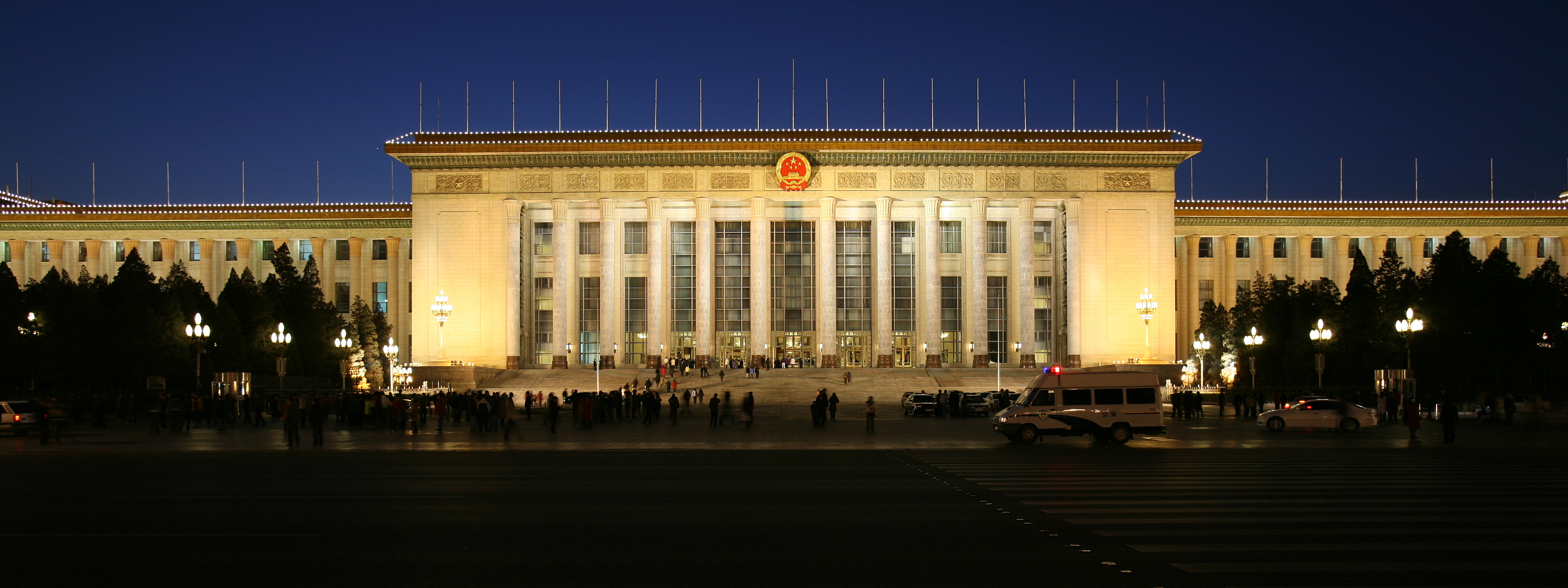
The banquet took place at the Great Hall of the People [2]. The menu featured peking duck, lobster, and tiramisu. During the event, Trump commented on the quality of the meal and the presence of U.S.-Chinese restaurants, saying, "That's a pretty big statement" [3].
Beyond the formalities of the dinner, the leaders focused on economic agreements. Trump sought commitments from China to increase its purchases of U.S. agricultural products and passenger aircraft [4]. These goals are central to the administration's strategy to reduce trade deficits through targeted procurement deals.
While the atmosphere remained cordial, the discussions also touched upon geopolitical friction. Reports indicate that the two leaders addressed areas of contention, specifically trade and Taiwan [5]. These topics remain the primary hurdles in establishing a long-term diplomatic equilibrium between the two superpowers.
The evening included entertainment from Chinese musicians, who played the "YMCA." Trump noted the performance and said, "The first lady hates when I dance to the YMCA" [6].
The meeting concludes a series of high-level engagements aimed at redefining the U.S.-China relationship in a post-trade-war era. Both leaders emphasized the importance of communication to prevent escalation in the Pacific region.
“"That's a pretty big statement."”
This summit indicates a strategic pivot toward 'managed competition' between Washington and Beijing. By pairing high-level diplomatic theater—such as the state dinner—with specific economic demands for agricultural and aircraft exports, the U.S. is attempting to leverage diplomatic access to secure tangible trade wins without triggering a full-scale economic conflict.


