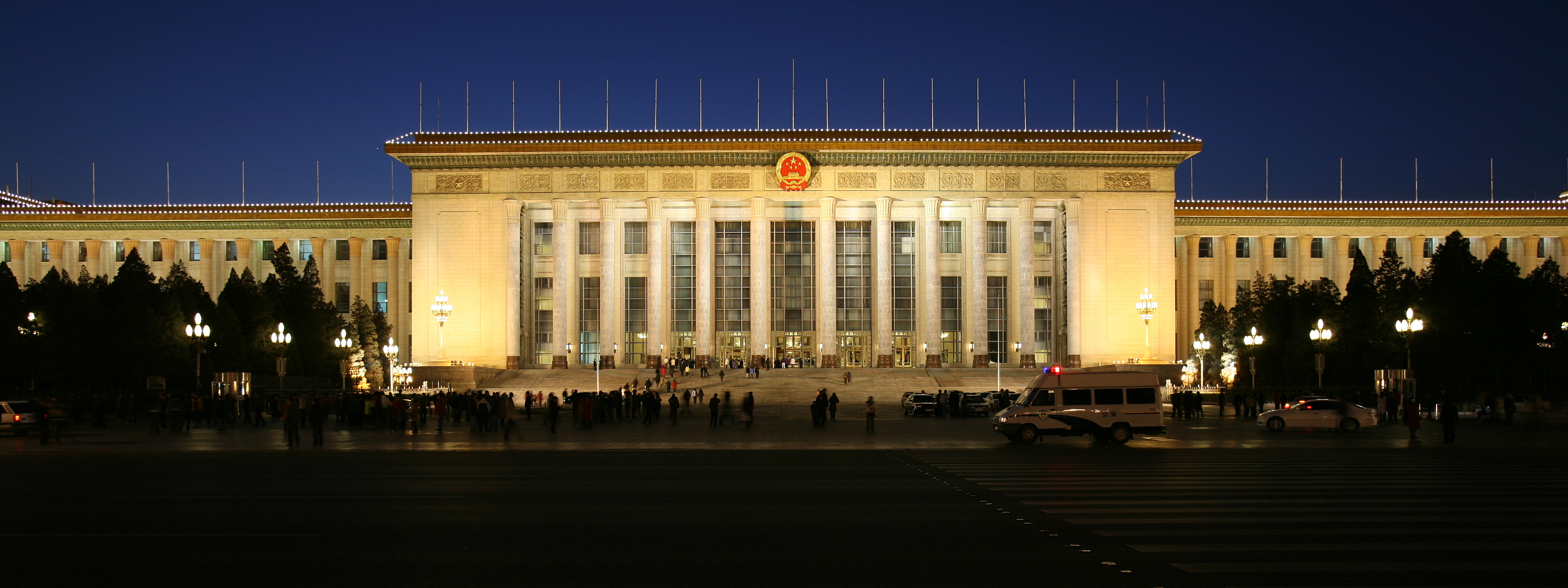
U.S. President Donald Trump traveled to Beijing on Wednesday, March 6, 2024, for a high-level summit with Chinese President Xi Jinping [1].
The meeting arrives at a critical juncture for global security as both nations attempt to manage escalating tensions in the Taiwan Strait and resolve deep-seated trade disputes [2].
Agenda items for the summit include the ongoing conflict in Iran and China's support for Russia [3]. The diplomatic push comes as the international community seeks greater stability in U.S.–China relations [4]. A spokesperson for the U.S. State Department said, "We look forward to a constructive dialogue" [5].
Much of the diplomatic urgency centers on the Middle East. Reports on the status of the Iran conflict vary, with some sources indicating a ceasefire while others report active fighting [6]. According to the National Post, the Iran war has lasted nine weeks [7] and has choked off energy flow through the Strait of Hormuz [7].
President Trump has expressed confidence in his ability to manage the crisis. "I have Iran very much under control," Trump said [8].
China has indicated a desire for a more predictable relationship with the United States. A Chinese foreign ministry spokesperson said, "We are looking for more stability and certainty" [9].
The summit represents a test of U.S. strength and diplomatic leverage in the face of regional instability [2]. Both leaders are expected to address how to prevent local conflicts from escalating into a broader global confrontation.
“"I have Iran very much under control."”
This summit serves as a critical barometer for the future of the U.S.-China relationship. By addressing the Iran conflict and Taiwan in a single venue, the two superpowers are attempting to establish 'guardrails' to prevent economic competition from devolving into military conflict. The discrepancy in reports regarding the Iran ceasefire suggests a volatile environment where diplomatic narratives may be at odds with ground realities.