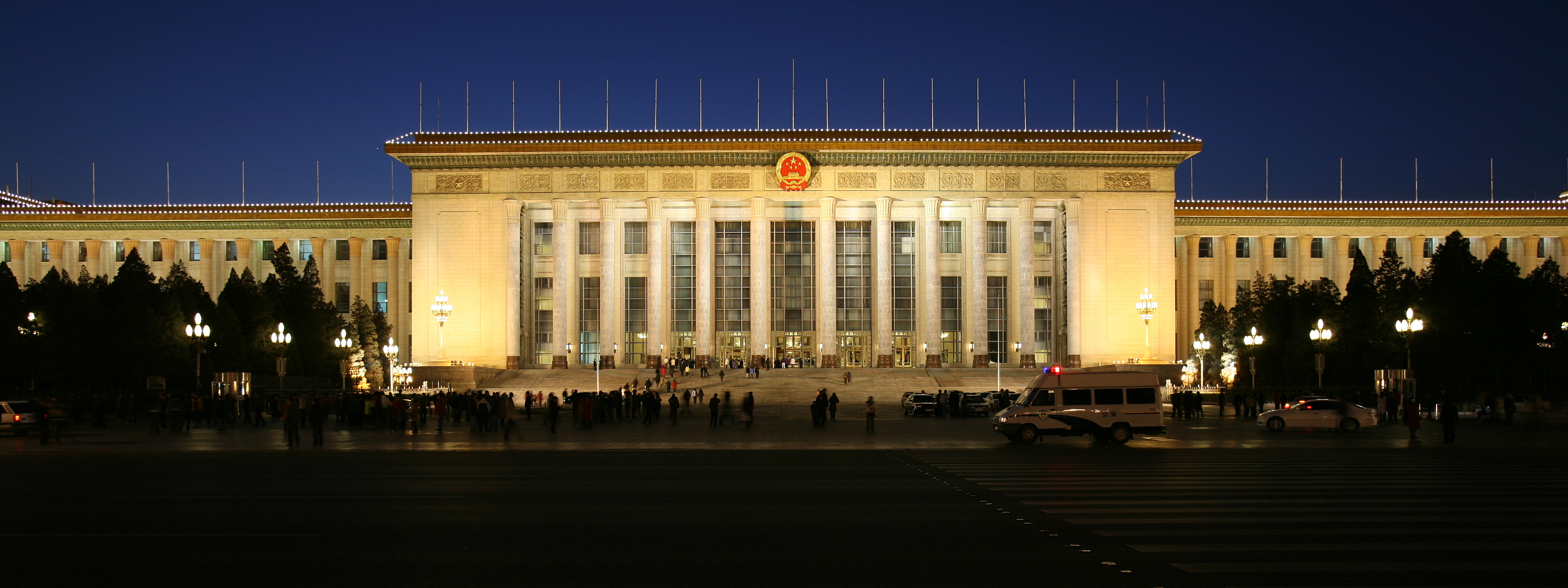
President Donald Trump and President Xi Jinping met in Beijing on Friday, May 15, for the final day of a two-day summit [1].
The meeting represents a critical attempt to manage the relationship between the world's two largest economies as they navigate deep disputes over global security and commerce.
The leaders held a meeting over tea and a working lunch to address a broad agenda [2]. Discussions focused on tariffs, technology competition, and the war in Iran [3]. The status of Taiwan also remained a central point of contention during the talks [4].
Xi said, "We will not tolerate any moves toward Taiwan independence" [5]. This statement underscores the rigid stance Beijing maintains regarding the island's sovereignty, a recurring flashpoint in bilateral relations.
Trump offered a more optimistic view of the proceedings. He said, "Many problems have been settled" [6]. This assessment contrasts with reporting from The New York Times, which said that tensions remained unresolved on major issues [7].
Earlier in the trip, Trump addressed the perceived global standing of the U.S. He said, "The United States is not a declining nation" [8].
The summit lasted two days [9], involving only the two leaders in the primary high-level sessions [10]. While the leaders sought to advance bilateral relations, the divergence in their public statements suggests that significant gaps remain in their respective strategic goals [2].
“"Many problems have been settled."”
The summit highlights a persistent gap between the diplomatic optics of leadership meetings and the reality of systemic competition. While the U.S. administration emphasizes the resolution of specific problems, the Chinese government's focus on Taiwan and the continued friction over technology and trade suggest that the structural rivalry between the two nations remains unchanged despite high-level engagement.


