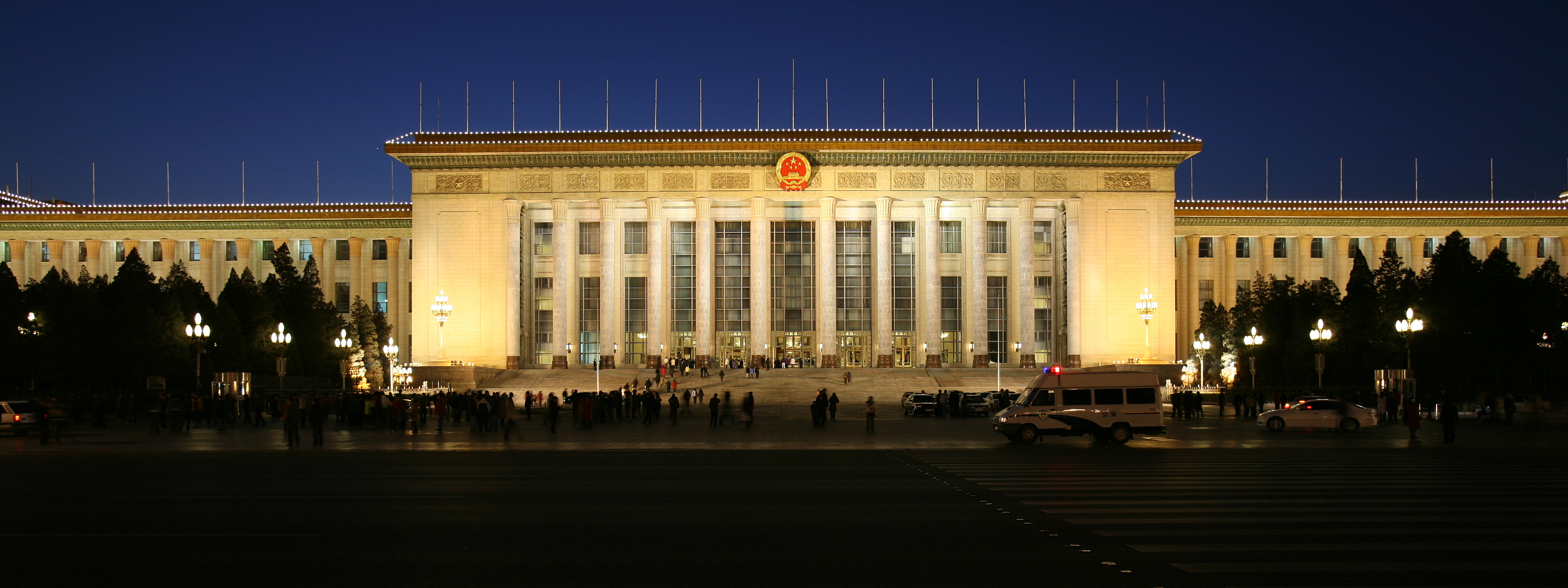
U.S. President Donald Trump and Chinese President Xi Jinping concluded their summit in Beijing on May 14, 2026, without announcing major policy changes [1].
The meeting highlights the persistent friction between the world's two largest economies, where diplomatic optics often mask a lack of substantive agreement on critical security and economic issues.
The summit took place from May 13 to May 14, 2026 [1]. While the event featured significant fanfare, reports indicate that the leaders did not reach breakthroughs regarding trade disputes, the status of Taiwan, or broader regional security concerns [2, 3, 4].
President Trump described the state of the bilateral relationship in positive terms following the visit. "U.S.-China relations are in a good place despite our differences," Trump said [5].
Despite these remarks, the two nations remain divided by deep-seated differences. These disagreements prevented the parties from moving beyond courteous exchanges to concrete policy steps [3, 4]. The lack of a formal agreement suggests that the core tensions driving the competition between Washington and Beijing remain unresolved.
Trump suggested that some progress had been made during the discussions. "A lot of different problems were settled," Trump said [6].
However, other reports emphasize that no major announcements were made on the key issues that define the relationship [2]. The gap between the leaders' public optimism and the absence of signed accords reflects a continuing pattern of stabilization without resolution.
“"U.S.-China relations are in a good place despite our differences."”
The absence of concrete agreements on Taiwan and trade indicates that while both leaders seek to maintain a stable diplomatic channel to avoid escalation, neither side is currently willing to make the strategic concessions necessary for a systemic breakthrough. The summit served more as a mechanism for tension management than as a catalyst for policy transformation.


