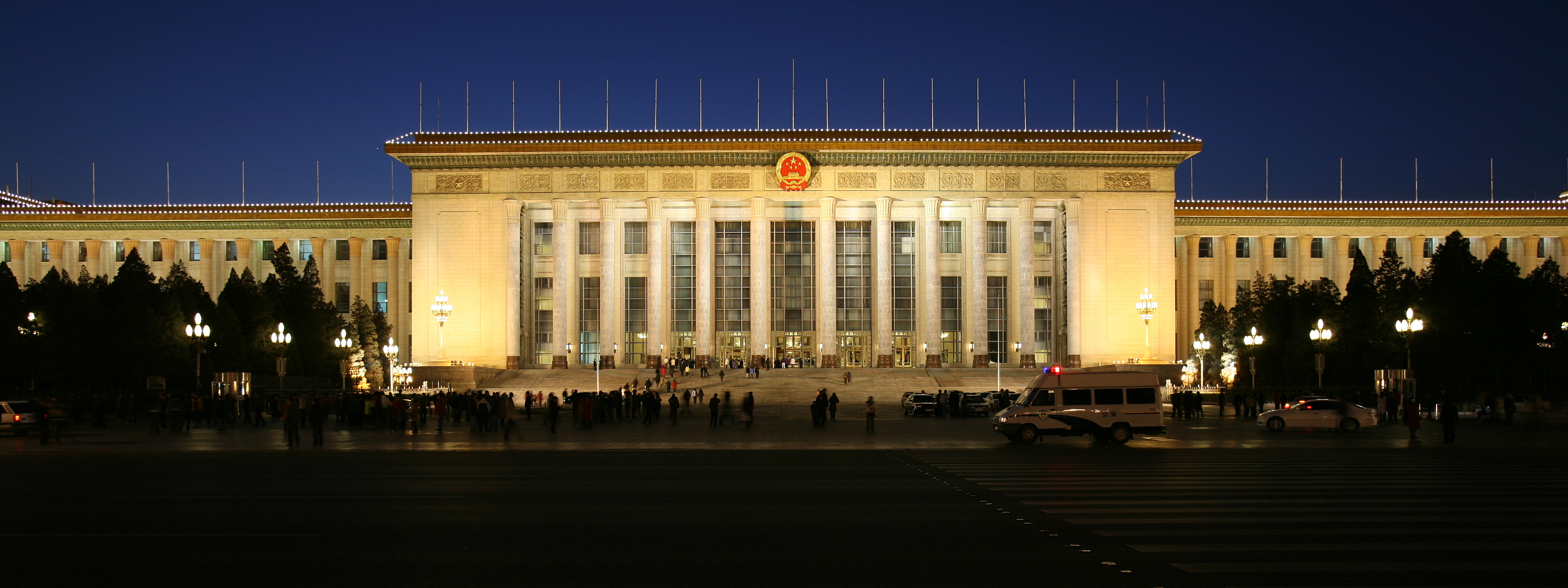
U.S. President Donald Trump and Chinese President Xi Jinping concluded their summit in Beijing on Friday, publicly claiming progress in stabilizing bilateral relations.
The meeting represents a critical attempt to manage tensions between the world's two largest economies. While both leaders expressed optimism, the summit failed to produce major breakthroughs regarding trade, Taiwan, or Iran.
The leaders met at President Xi's official residence and other venues across the capital to discuss security, contested islands, and economic ties. The discussions aimed to reduce friction and establish a more predictable diplomatic framework between the two nations.
Reports on the outcome of the visit vary. Some assessments describe the progress as cautious and characterized by several "win-wins," while other reports suggest the trip concluded with few clear victories for the U.S. administration.
One specific economic claim emerged from the visit. President Trump said China agreed to purchase 200 Boeing jets [1] during the summit. However, this agreement was not mentioned in all primary coverage of the event.
Market reactions to the diplomatic engagement were visible in the region. South Korea's KOSPI index touched 8,000 points [2] as investors responded to the proceedings in Beijing.
Despite the lack of a comprehensive trade deal or a resolution to territorial disputes, both leaders maintained a public front of cooperation. The summit served more as a stabilizing mechanism than a transformative diplomatic event.
“The summit served more as a stabilizing mechanism than a transformative diplomatic event.”
The summit suggests a shift toward 'managed competition' rather than a resolution of core conflicts. By prioritizing stability over immediate breakthroughs on Taiwan or trade, both administrations are signaling a desire to avoid open conflict while continuing to disagree on fundamental strategic interests.


