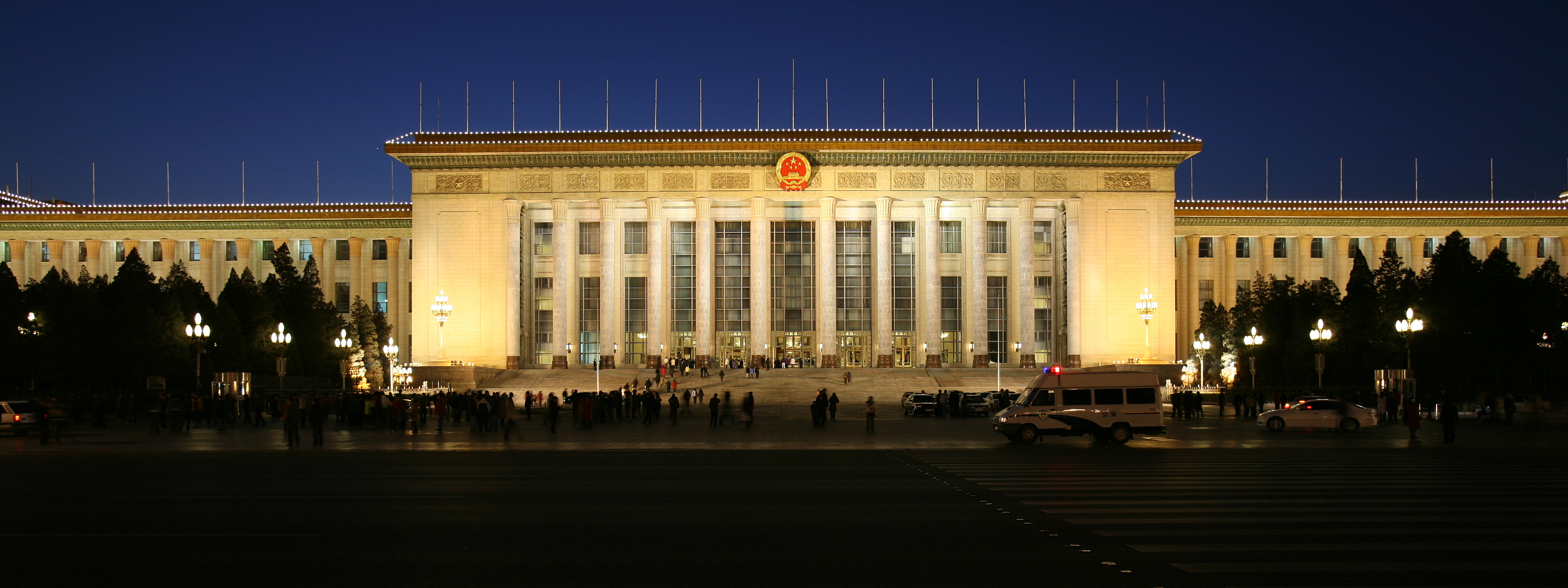
U.S. President Donald Trump arrived in Beijing on Wednesday evening for a 36-hour summit [1] with Chinese President Xi Jinping.
The meeting comes at a critical juncture for international relations, as the U.S. seeks to negotiate trade and security terms while simultaneously managing a military conflict in the Middle East.
The agenda for the discussions focuses on three primary areas: trade, tariffs, and the status of Taiwan [1]. This visit marks the first overseas trip [2] for the U.S. president since the start of the war in the Middle East.
Analysts said that the timing of the summit may impact the bargaining power of the U.S. delegation. There is a perception that American leverage has been reduced due to the ongoing war with Iran [1, 3]. This conflict has already seen the deployment of a third U.S. aircraft carrier [3] to the region to maintain military presence.
Economic pressures are mounting as the conflict continues to disrupt global energy markets. Reports said that oil shipments from the main export terminal in Iran have reached a standstill [1]. These disruptions coincide with other global financial shifts, including a $6.5 billion [1] reshuffle involving Dubai-Emaar.
The 36-hour duration [1] of the summit reflects the complexity of the issues at hand. Both leaders are expected to address the volatility of current tariffs, and the strategic tensions surrounding Taiwan, though the outcome remains uncertain given the geopolitical constraints facing the U.S. administration.
“The visit marks the first overseas trip for the U.S. president since the start of the war in the Middle East.”
The summit represents a high-stakes attempt to stabilize the U.S.-China relationship while the U.S. is militarily committed to a conflict with Iran. If the U.S. is perceived as overextended in the Middle East, China may hold a stronger position to resist U.S. demands on tariffs and Taiwan, potentially shifting the balance of power in East Asian diplomacy.


