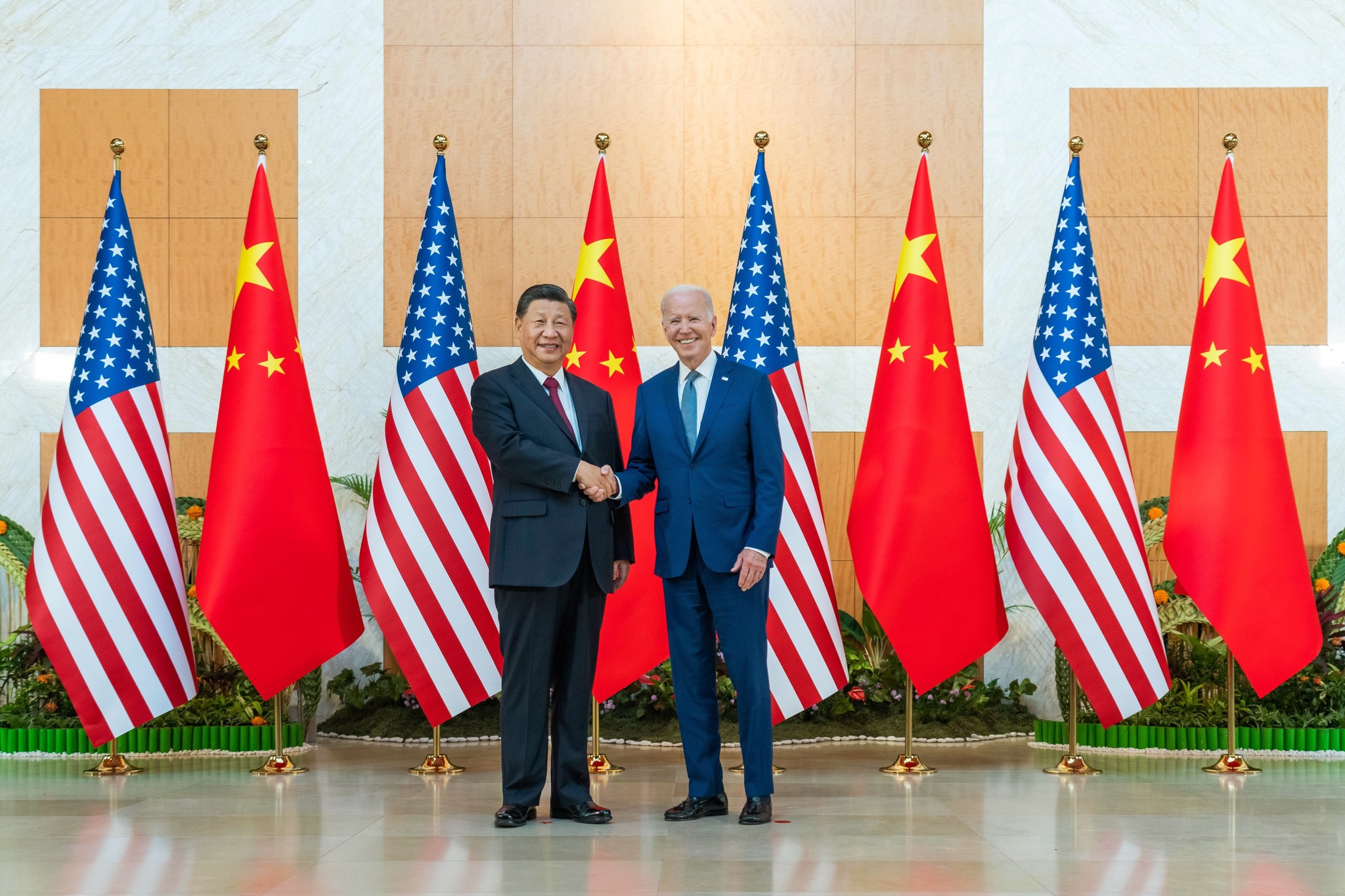
President Donald Trump returned to the United States on May 15, 2026 [1], following a diplomatic summit in Beijing with President Xi Jinping.
The visit marks a pivotal attempt to stabilize the U.S.–China relationship through negotiated trade agreements and a reduction in geopolitical tensions. Because the two largest economies in the world have faced years of volatility, the outcome of these talks affects global supply chains and security.
During the summit, Trump said the meetings produced new trade deals and a sense of greater bilateral stability. The discussions focused on easing frictions that have defined the relationship for years, aiming for a more predictable diplomatic environment.
Observers are divided on the actual impact of the trip. Time editorial staff said the talks marked a shift from confrontation to a tentative "cold peace." This perspective suggests that while full cooperation may be distant, the risk of immediate escalation has decreased.
Other analysts suggest the progress was more superficial. Max Blumenthal said the summit's outcomes are more symbolic than substantive, leaving many policy gaps. This critique suggests that the high-profile nature of the meeting may have masked a lack of concrete policy alignment.
Some observers focused on the personal dynamics between the two leaders. Amy Cuddy said Trump's body language in China exuded confidence and mutual warmth, indicating a successful diplomatic overture. This focus on optics contrasts with the policy-driven analysis of the trade agreements.
Despite the differing assessments, the summit represents a formal effort to move beyond the hostilities of previous years. The return of high-level presidential diplomacy to Beijing signals a desire to manage the competition between the two superpowers without descending into open conflict.
“The talks marked a shift from confrontation to a tentative 'cold peace.'”
The shift toward a 'cold peace' indicates that both the U.S. and China are prioritizing economic stability over ideological confrontation. While the lack of substantive policy breakthroughs suggests that core systemic disputes remain, the establishment of a functional diplomatic channel reduces the likelihood of accidental escalation in the short term.