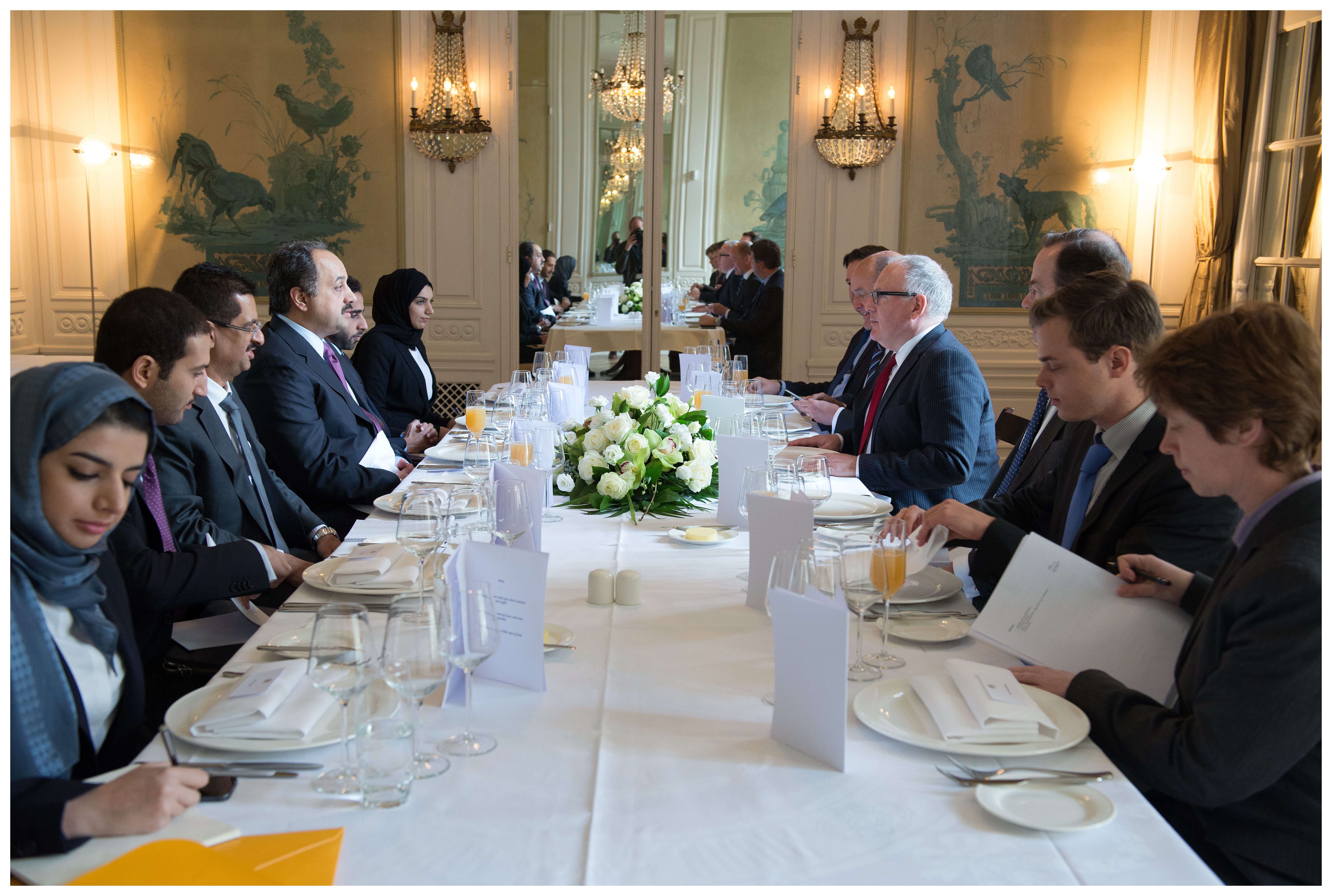
President Donald Trump (R-FL) and Chinese President Xi Jinping are meeting in Beijing on May 14 and 15, 2026 [1].
The summit arrives amid escalating frictions between the two largest economies. The outcome of these talks could determine the trajectory of global trade and security stability for the coming years.
The leaders intend to address rising tensions and negotiate key economic, trade, and security issues [5]. The meeting follows a period of volatility that has seen both nations struggle to balance strategic competition with necessary diplomatic cooperation.
Accompanying the president is a high-profile delegation that blends diplomatic and commercial interests [4]. The group includes Secretary of State Marco Rubio and several prominent technology executives, including Elon Musk, Jensen Huang, and Tim Cook [4]. The presence of these CEOs suggests that semiconductor supply chains and artificial intelligence trade will be central to the negotiations.
Market analysts have noted the potential for the summit to stabilize financial volatility. Ray Dalio said, "Los inversores deberían animarse," which translates to "Investors should be encouraged" [4].
Despite the scheduled dates, some reports have highlighted conflicting information regarding the certainty of the meeting. While some sources confirm the Beijing summit, other reports have suggested that the absence of such a meeting would only heighten existing tensions [6]. However, official schedules maintain the May 14 and 15 window for the state visit [1].
The discussions are expected to cover a wide array of bilateral disputes, ranging from tariffs to territorial security. The inclusion of the U.S. Secretary of State ensures that the diplomatic framework of the relationship remains a primary focus alongside the commercial interests represented by the tech delegation.
“Investors should be encouraged”
This summit represents a critical attempt to prevent a total diplomatic breakdown between the US and China. By bringing tech leaders like Tim Cook and Jensen Huang to the table, the US administration is signaling that economic interdependence—specifically in the hardware and AI sectors—remains a primary lever for managing geopolitical risk.