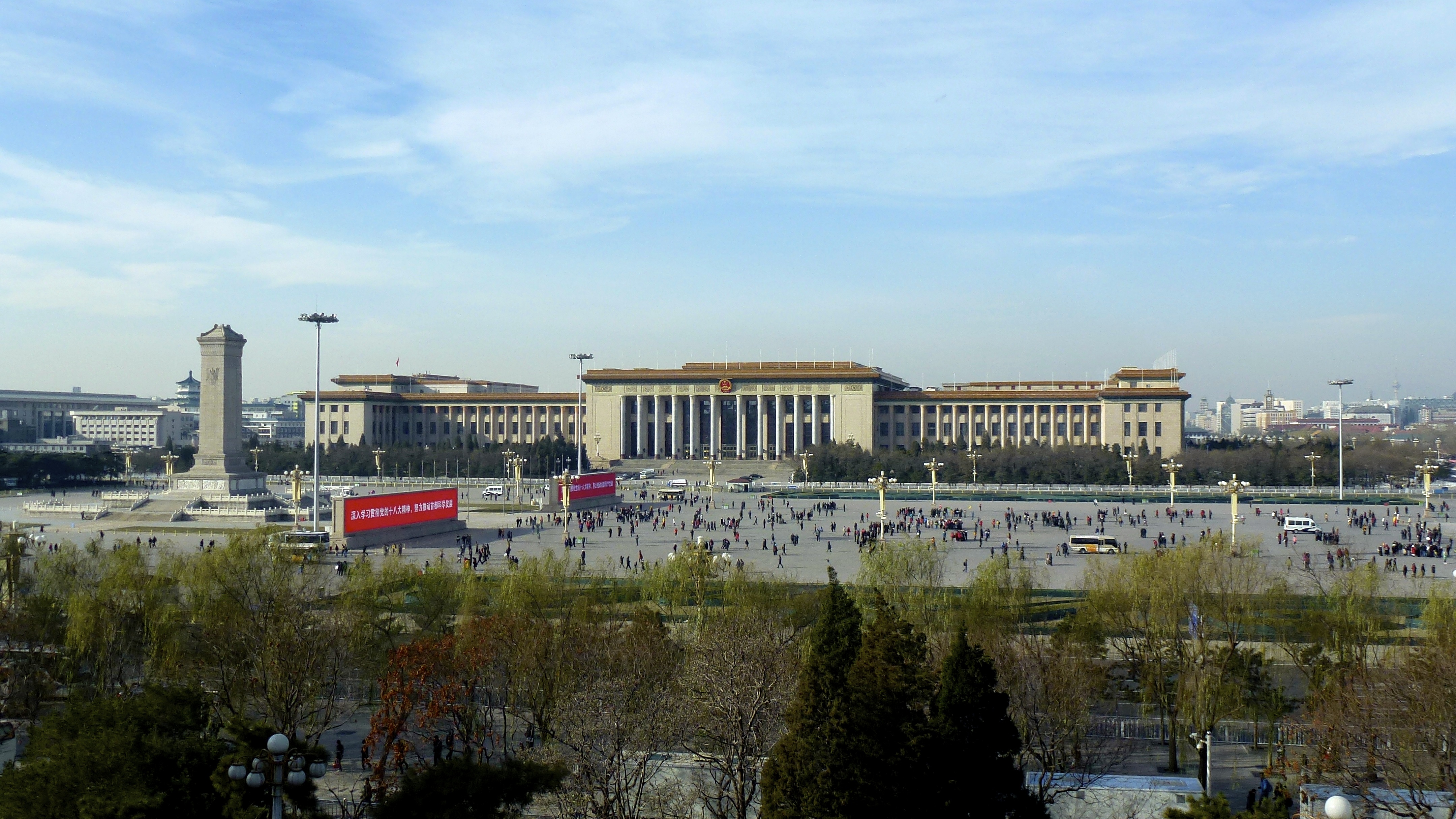
President Donald Trump and President Xi Jinping are preparing for a summit in Beijing this week [1, 2].
The meeting arrives as the two largest economies in the world navigate deep friction over trade, technology, and territorial disputes. A successful dialogue could stabilize global markets and reduce the risk of military escalation in the Pacific.
According to reports, the agenda for the summit includes discussions on trade tensions and the sale of AI chips [2, 5]. The leaders are also expected to address the trade of farm goods [5]. These economic issues remain central to the bilateral relationship as both nations seek to balance national security with economic interdependence.
Beyond trade, the talks will cover sensitive geopolitical flashpoints. The leaders intend to discuss issues regarding Taiwan and the conflict involving Iran [4]. These topics represent some of the most volatile aspects of the U.S.-China relationship, areas where miscalculation could lead to direct confrontation.
Trump said Xi Jinping was "very happy" as the Strait of Hormuz reopens, a development that signals a potentially historic tone for the upcoming meeting [7].
The summit is viewed by some observers as a critical test of diplomacy. The primary goal is to establish a working rapport between the two heads of state to prevent further deterioration of diplomatic ties [2].
As the delegations finalize the details in Beijing, the world watches to see if the leaders can reach a consensus on AI chip regulations and agricultural exports [5, 6]. The outcome of these discussions will likely dictate the trajectory of international trade policy for the coming years.
“The leaders intend to discuss issues regarding Taiwan and the conflict involving Iran.”
This summit represents a strategic attempt to reset the U.S.-China relationship by addressing specific economic grievances, such as AI chip sales and farm goods, while managing volatile security concerns in Taiwan and the Middle East. If the leaders can move beyond symbolic gestures and secure concrete agreements, it may signal a shift toward a more predictable, albeit competitive, era of coexistence.