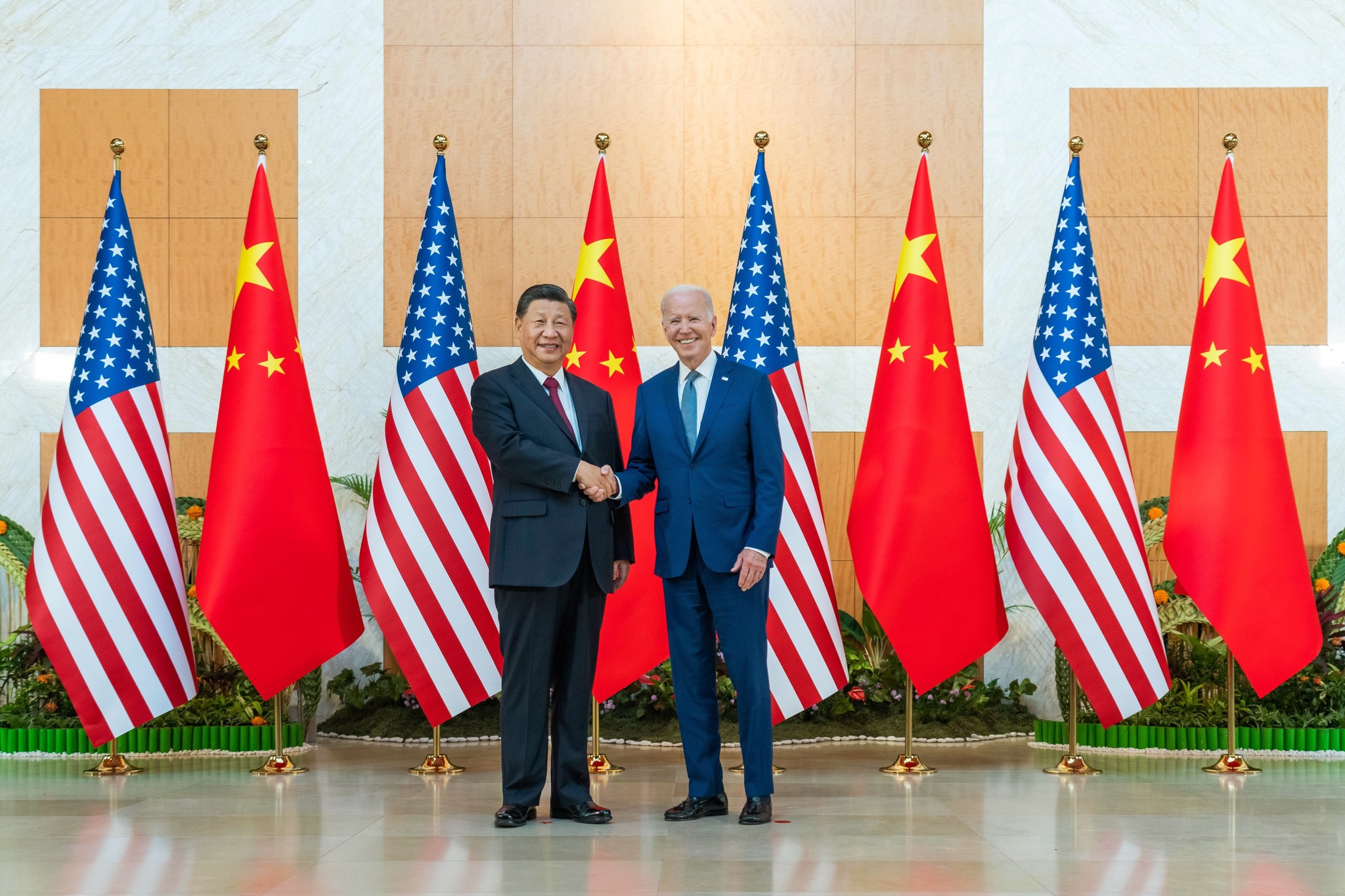
U.S. President Donald Trump and Chinese President Xi Jinping announced several trade agreements following a summit in Beijing earlier this month [1, 2].
The meeting marks a critical attempt to stabilize bilateral economic relations between the world's two largest economies. By addressing supply chain vulnerabilities and agricultural trade, the leaders aim to reduce ongoing tensions that have disrupted global markets.
The announced deals specifically cover the supply chains for rare-earth minerals and the purchase of soybeans [2]. These agreements are intended to secure U.S. access to critical minerals essential for high-tech manufacturing, and expand market access for U.S. agricultural goods [2, 3].
Beyond trade, the leaders held discussions regarding the export of semiconductor chips and the status of TikTok [2, 5]. The talks also addressed the flow of fentanyl, as both nations seek to coordinate efforts to combat the synthetic opioid crisis [3, 4].
Reports differ on the formal nature of the outcome. CNBC said the meeting yielded new pacts and announced deals [2]. However, CBC said the two nations only agreed on a framework trade deal days before the summit and did not sign a definitive deal [1].
The summit took place the week before May 18, 2026, as part of a broader effort to manage the strategic competition between Washington and Beijing [2, 5].
“The leaders held a summit that produced announced trade agreements covering rare‑earth supply chains and soybean purchases.”
The discrepancy between reports of 'deals' and a 'framework' suggests that while tactical wins were achieved in specific sectors like agriculture and minerals, a comprehensive resolution to the broader trade war remains elusive. The focus on rare earths indicates a strategic U.S. priority to decouple critical supply chains from total Chinese dependence while maintaining enough diplomatic stability to prevent full economic rupture.


