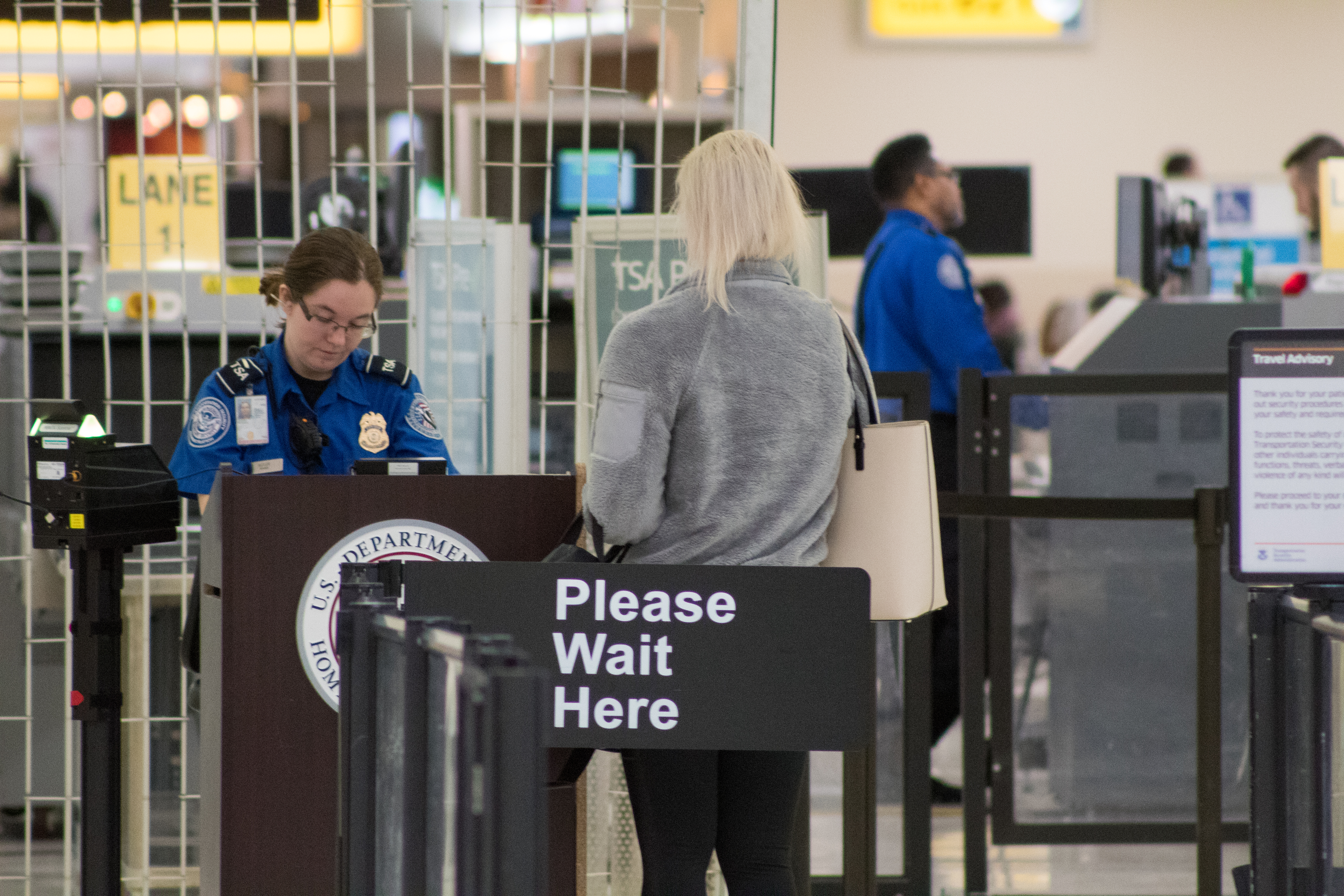
The U.S. Transportation Security Administration installed four new 3-D computed tomography scanners at Denver International Airport to streamline security screening [1].
These upgrades represent a shift toward advanced imaging technology designed to reduce congestion at one of the nation's busiest travel hubs. By allowing passengers to keep electronics in their bags, the TSA aims to move travelers through checkpoints more efficiently.
The installation began in early 2024, with the West security checkpoint officially opening in June 2024 [2]. According to data from the Denver Post, the opening of the West checkpoint contributed to a 30 percent reduction in average wait times [3].
"The new CT scanners will allow us to see inside bags without having passengers remove laptops, speeding up the screening process," John Doe, a TSA spokesperson, said [4].
Despite the efficiency gains, the system is not without challenges. Aviation analyst Mark Johnson said some passengers may experience delays if bags trigger advanced imaging, and airlines could face additional costs for re-screening [5].
Jane Smith, a Denver Airport spokesperson, said travelers can expect shorter lines as the new West checkpoint operates with these advanced scanners [6]. However, the impact of the technology is often tested during peak periods. For instance, projected holiday traveler volume at the airport for 2024 was expected to exceed 1 million people [7].
While the scanners have improved baseline flow, reports indicate that extreme travel surges can still result in long lines regardless of the new hardware [8].
“The new CT scanners will allow us to see inside bags without having passengers remove laptops.”
The deployment of CT scanners at DIA is part of a broader federal effort to modernize aviation security. By replacing traditional X-ray machines with 3-D imaging, the TSA reduces the manual labor of unpacking bags, which theoretically increases throughput. However, the fact that million-passenger surges still cause delays suggests that hardware upgrades alone cannot solve the systemic challenges of peak-season air travel.


