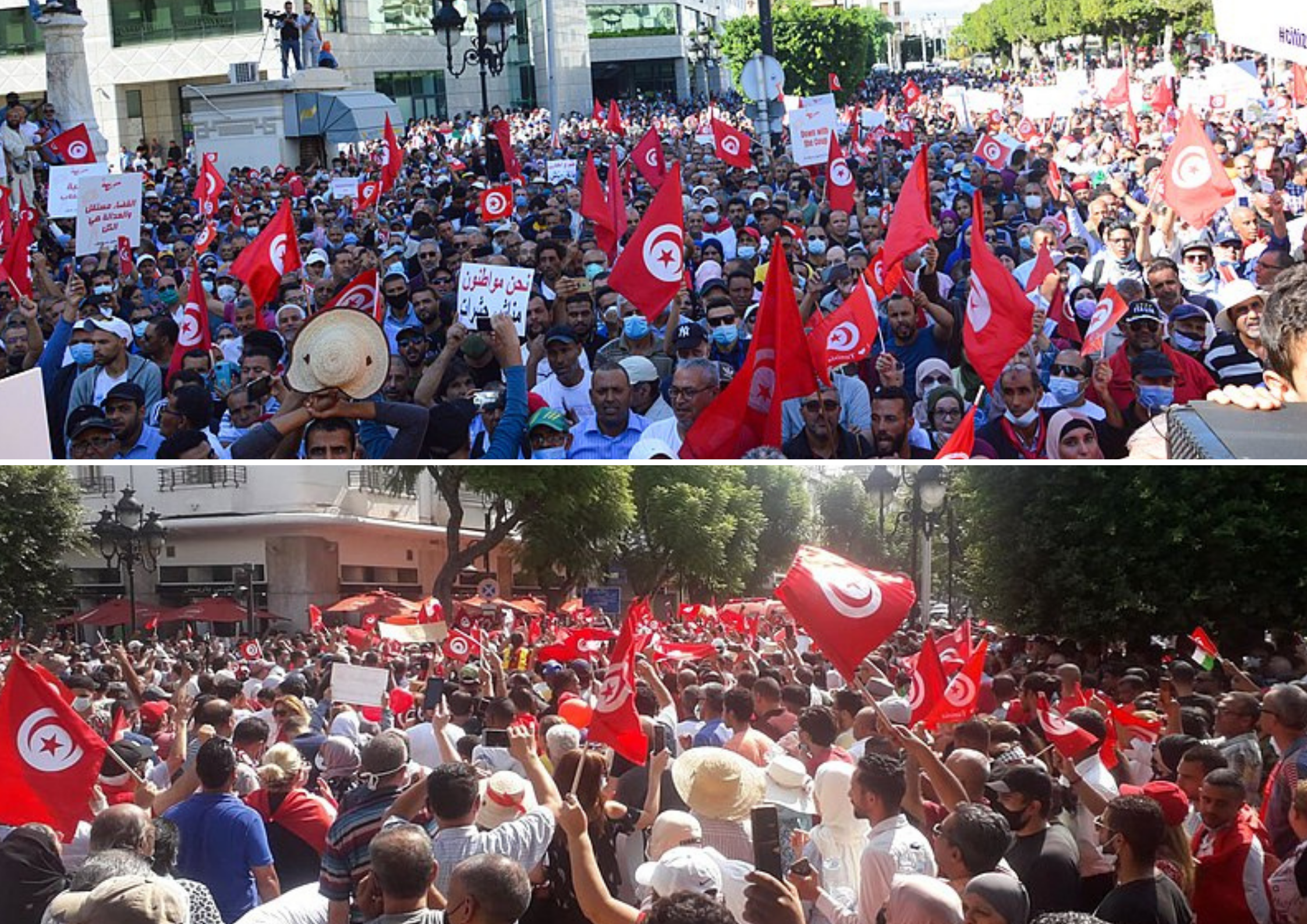
Tunisian lawyers launched regional general strikes and protests on Tuesday to demand judicial independence and the resignation of the Justice Minister [1].
The demonstrations signal a growing confrontation between the legal community and the state over the administration of justice. By halting work in major courts, the National Bar Association aims to pressure the government to protect the legal profession and ensure the right to a fair trial [1].
Protests took place today at the lobby of the Justice Palace in Tunis [1]. The movement extended beyond the capital to include major courts in the governorates of Nabeul and Zaghouan [1]. These regional strikes are designed to disrupt judicial proceedings to draw attention to the perceived erosion of the public justice system [2].
According to the National Bar Association, the strikes are a necessary step to defend the legal profession [1]. The lawyers are calling for comprehensive reforms of the judiciary to prevent political interference in legal matters [3].
A central demand of the protesters is the immediate resignation of the Minister of Justice [1]. The legal community argues that the current leadership has failed to maintain the independence of the judiciary, a cornerstone of the Tunisian legal system [4].
The National Bar Association said the actions are intended to guarantee that the justice system remains a public service rather than a tool of the executive branch [1]. The lawyers maintain that without these reforms, the integrity of the legal profession remains at risk [2].
“Tunisian lawyers launched regional general strikes and protests to demand judicial independence.”
This mobilization by the National Bar Association reflects a deepening crisis in Tunisia's judicial sector. The demand for the Justice Minister's resignation suggests that lawyers no longer view the current ministry as a neutral arbiter, indicating a significant breakdown in trust between the state and the legal professionals responsible for upholding the rule of law.


