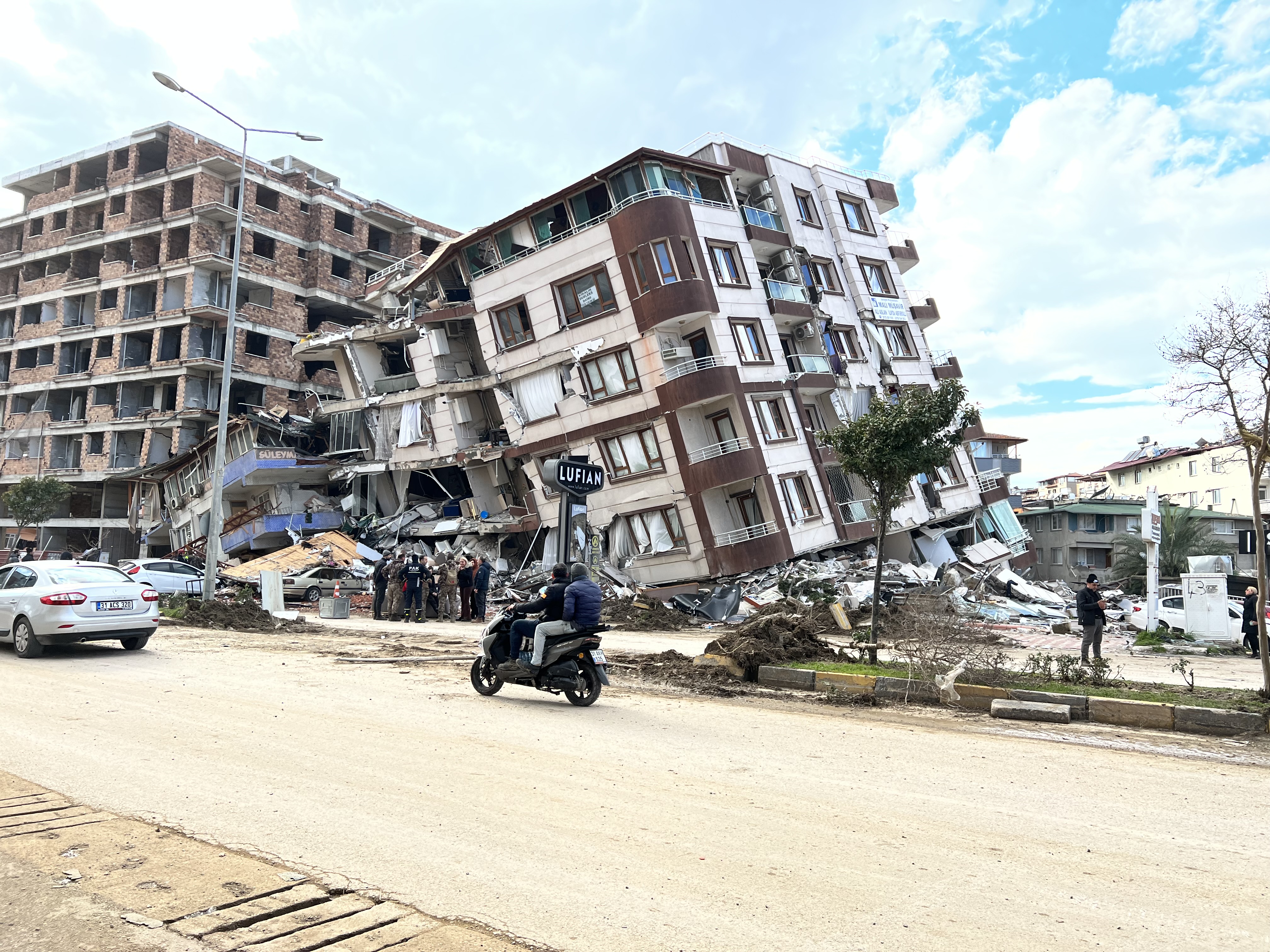
Severe flash floods in southern Turkey's Hatay province killed three people [1].
The disaster highlights the vulnerability of the region to extreme weather events, where sudden river overflows can rapidly devastate urban infrastructure and residential areas.
Heavy rainfall triggered the crisis, causing rivers to burst their banks and send torrents of water into the surrounding landscape. The resulting floods swamped the streets of Hatay province, inundating homes, and local businesses as water levels rose quickly.
Emergency reports indicate that the flooding was widespread, turning roads into rivers and trapping residents in their properties. The surge of water overwhelmed local drainage systems, a common challenge during intense seasonal rains in the region.
Local authorities said that three fatalities resulted from the deluge [1]. Recovery efforts focused on clearing debris and assessing the structural damage to buildings and public utilities affected by the burst banks.
While the immediate death toll remains low, the scale of the property damage suggests a significant economic impact on the province. Residents said that the speed of the water's rise left little time for evacuation in the hardest-hit sectors.
“Severe flash floods in southern Turkey's Hatay province killed three people.”
The recurrence of flash flooding in Hatay province underscores the ongoing struggle to manage water infrastructure against intensifying weather patterns. When rivers burst their banks with such speed, it indicates that existing flood defenses are insufficient for current rainfall volumes, posing a persistent risk to both life and commerce in southern Turkey.


