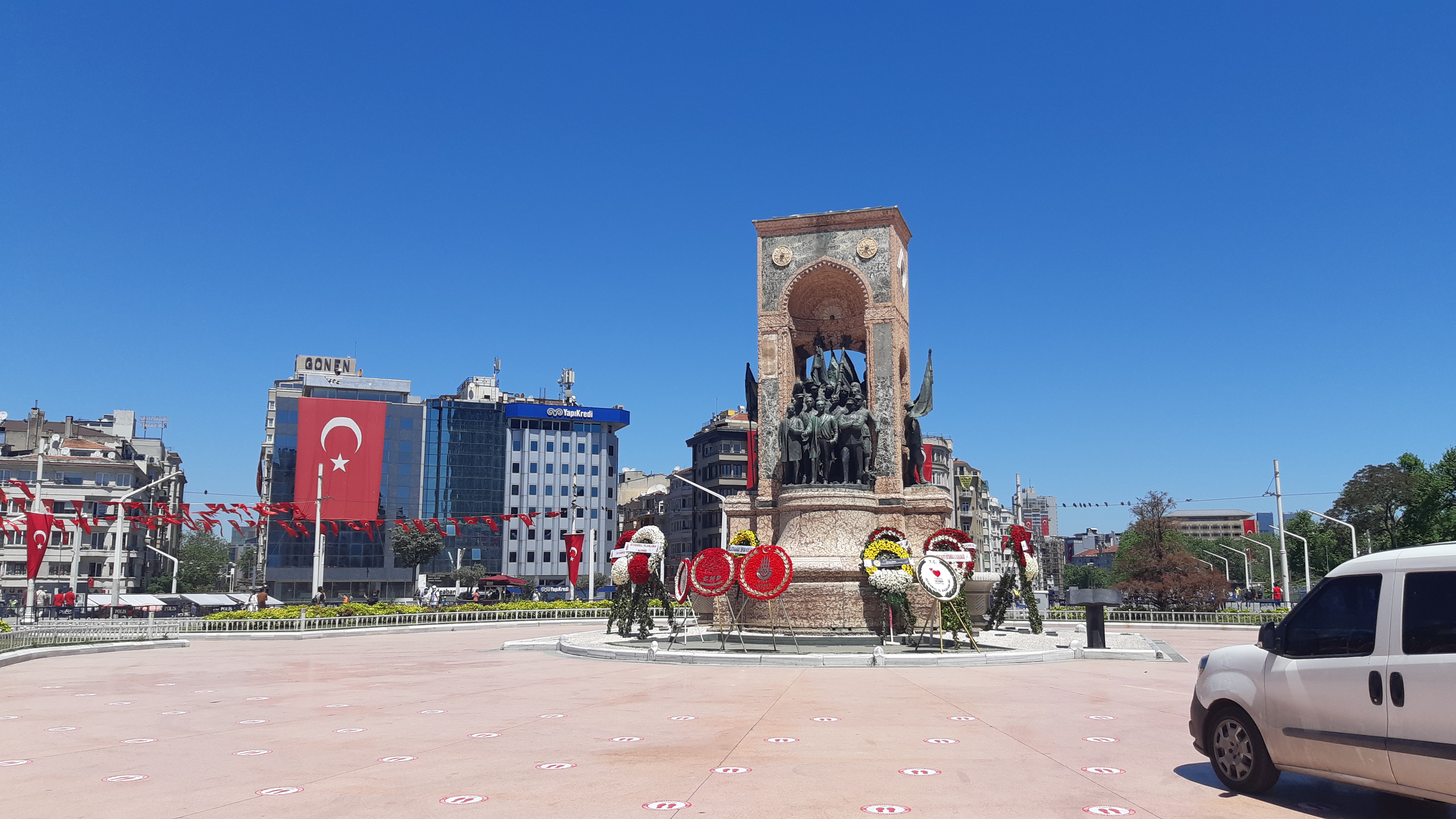
Turkish police fired tear gas and arrested hundreds of demonstrators during May Day rallies in Istanbul's Taksim Square on Friday, May 1, 2024 [1, 2].
The crackdown highlights the ongoing tension between Turkish authorities and labor activists who seek to exercise their right to assembly in the city's central hub. The use of riot-control vehicles and chemical agents underscores the government's strict approach to managing public dissent during annual labor celebrations.
Law enforcement officers deployed tear gas from riot-control vehicles into the crowds to disperse the gatherings [1, 2]. Authorities said the force was necessary to break up illegal assemblies and restore public order in the square [1, 2].
Reports on the number of detainees vary. A legal organization estimated that at least 370 people were arrested [1]. Other media reports indicate the number of arrests reached almost 400 [2].
Beyond the immediate arrests at the square, authorities issued 62 arrest warrants [2]. Police detained 46 people in connection with these warrants, a group that included journalists [2].
Taksim Square has long been a focal point for political expression in Turkey—often serving as the site of both celebration and confrontation. The restrictions on May Day gatherings in this specific location have become a recurring point of friction between the state and various labor unions.
“Turkish police fired tear gas and arrested hundreds of demonstrators”
The repeated banning of May Day rallies in Taksim Square and the subsequent use of force reflect a broader pattern of restricting public assembly in Turkey. By arresting journalists and labor activists, the state reinforces a security-first approach to public order that prioritizes the prevention of unauthorized gatherings over the traditional observance of international workers' day.


