About 800 cyclists in tweed jackets and bowler hats rode a 10‑12‑mile route through central London on Saturday, April 18, 2024.[2] The event draws attention for its blend of heritage fashion and urban cycling, turning city streets into a moving exhibition that attracts tourists, local businesses, and vintage‑style enthusiasts.
The ride matters because it showcases a niche cultural tradition that highlights London’s sartorial history while promoting active transport. Organisers said the event celebrates sartorial splendour rather than speed, offering a leisurely experience that contrasts with typical competitive races.
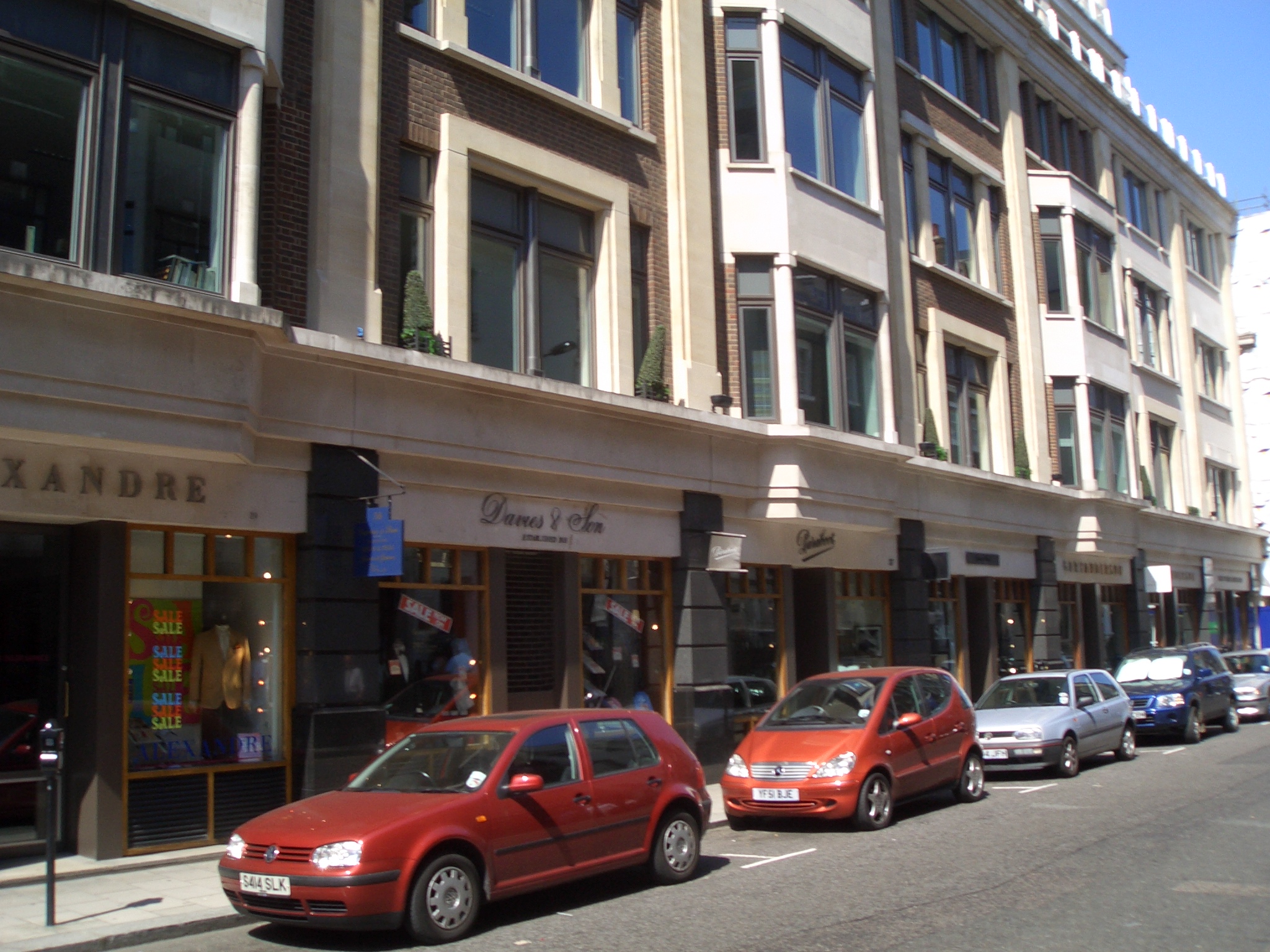
The course starts on Savile Row, renowned for bespoke tailoring, and continues past St George’s Gardens, where a tea stop provides participants a genteel pause. Cyclists then ride toward Lincoln’s Inn Fields for a communal lunch before returning to the starting point. The route length is reported at 10 to 12 miles (16 to 19 km).[1]
The Tweed Run began in 2008 as a small gathering of friends who wanted a leisurely ride that honored period attire.[5] Over the years it has grown into a well‑known London event, retaining its original ethos of celebrating historical fashion rather than athletic performance.
Organisers said the 2024 turnout was about 800 cyclists, a figure higher than earlier reports that described the crowd simply as “hundreds.” The larger number reflects growing interest and the event’s expanding publicity across social media and news outlets.[3] Participants range from seasoned vintage enthusiasts to newcomers drawn by the novelty of riding in classic British dress.
Logistical details include a designated bike lane along the route, on‑site support volunteers, and coordinated traffic management with the city council to ensure safety. The tea stop at St George’s Gardens and the lunch at Lincoln’s Inn Fields are free for riders, reinforcing the community‑focused spirit of the ride.
**What this means**: The Tweed Run illustrates how cultural events can fuse heritage and modern urban life, reinforcing London’s reputation as a fashion capital while encouraging sustainable transport. Its growth suggests a rising appetite for experiential, community‑driven gatherings that blend history with contemporary city life.
“The ride celebrates sartorial splendour rather than speed.”
The Tweed Run illustrates how cultural events can fuse heritage and modern urban life, reinforcing London’s reputation as a fashion capital while encouraging sustainable transport. Its growth suggests a rising appetite for experiential, community‑driven gatherings that blend history with contemporary city life.


