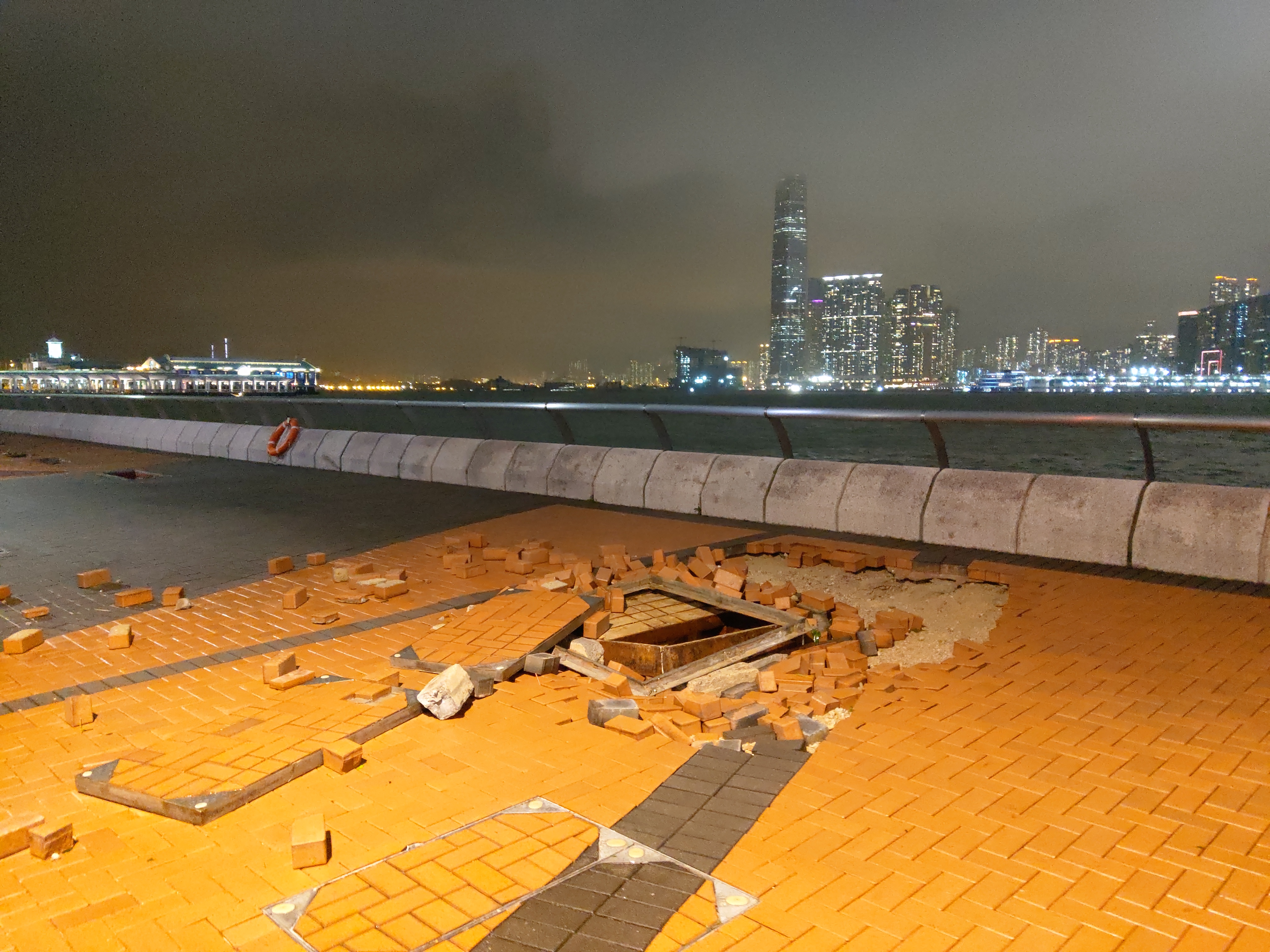
Typhoon Noul made landfall in southern China early Sunday, forcing more than 715,000 people to evacuate their homes [1].
The storm represents the most powerful weather system to strike China in 2026. Its impact on Guangdong province and neighboring Hong Kong highlights the region's vulnerability to extreme weather events and the massive logistical challenge of rapid mass evacuations.
The typhoon brought gale-force winds and torrential rain that toppled trees and swept cars away in several areas [1]. Provincial authorities in Guangdong reported widespread flooding as the storm moved inland. The severity of the weather led to the cancellation of hundreds of flights, disrupting travel across the southern region [1].
Emergency services worked to manage the surge of displaced residents as the storm's intensity peaked. The scale of the displacement, affecting over 715,000 individuals [1], underscores the risk posed by the storm's heavy precipitation and wind speeds.
Weather forecasts indicate that the region remains at risk. Torrential rain is expected to continue until Tuesday [2], which may exacerbate existing flood conditions and hinder recovery efforts in the hardest-hit districts.
Local officials have focused on maintaining critical infrastructure as the storm passes. The combination of high winds and saturated soil has left many areas prone to further landslides and urban flooding throughout the start of this week.
“Typhoon Noul represents the most powerful weather system to strike China in 2026.”
The scale of Typhoon Noul's impact suggests a period of heightened climatic volatility for southern China. The necessity of evacuating over 700,000 people demonstrates that despite urban infrastructure improvements, the sheer volume of water and wind from 2026's strongest storm can still overwhelm provincial defenses, necessitating massive state-led interventions to prevent loss of life.


