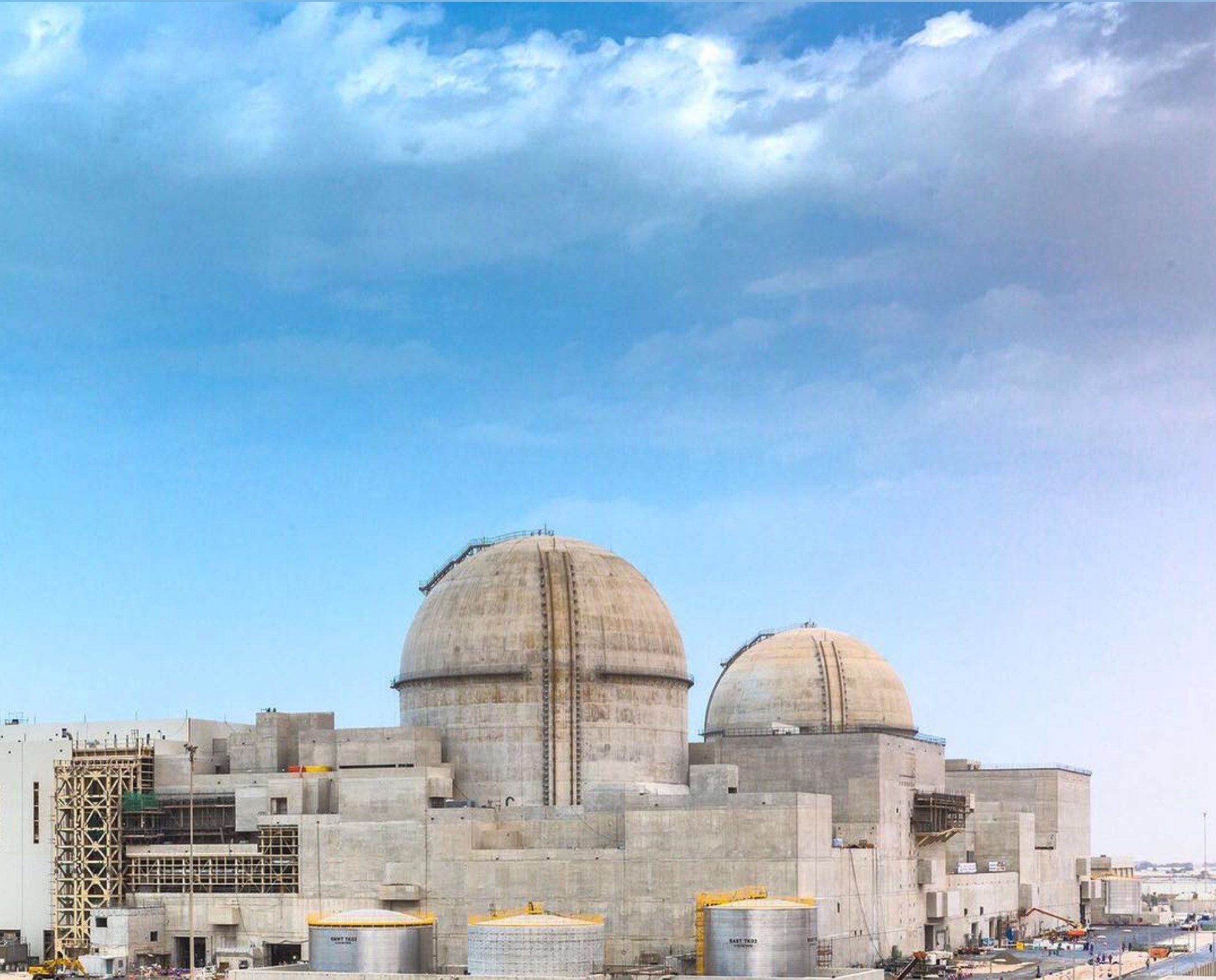
The United Arab Emirates condemned a drone attack that struck the Barakah nuclear power plant and breached Saudi Arabian airspace on Monday [1, 2].
This incident marks a significant escalation in regional tensions, as it represents a direct strike against critical nuclear infrastructure and a violation of sovereign airspace across two Gulf nations.
A spokesperson for the UAE foreign ministry said the strike was an "unacceptable aggression" [1, 2]. The drone targeted the Barakah plant located in the Al Ain region [1, 2]. According to government reports, the attack hit a power generator at the facility [1].
Despite the impact on the generator, officials said there was no radiological damage or radiation leak resulting from the strike [1]. The UAE government has formally condemned the action, emphasizing the danger posed by such attacks on energy infrastructure [1, 2].
The operation also involved drones entering the airspace of Saudi Arabia [1, 2]. In response to the breach, Saudi Arabia warned of a possible operational response to the intrusion [1, 2].
Security forces in both nations have remained on alert following the incident. The UAE continues to coordinate its diplomatic and security response to the aggression, which it views as a breach of international norms regarding the safety of nuclear sites [1, 2].
“The UAE described the drone strike as an "unacceptable aggression".”
The targeting of a nuclear facility, even if the damage is limited to non-critical components like a generator, represents a high-risk shift in regional conflict. By breaching both UAE and Saudi airspace, the attackers demonstrated a capability to bypass multi-national air defenses, likely prompting a review of security protocols for critical energy infrastructure in the Gulf.


