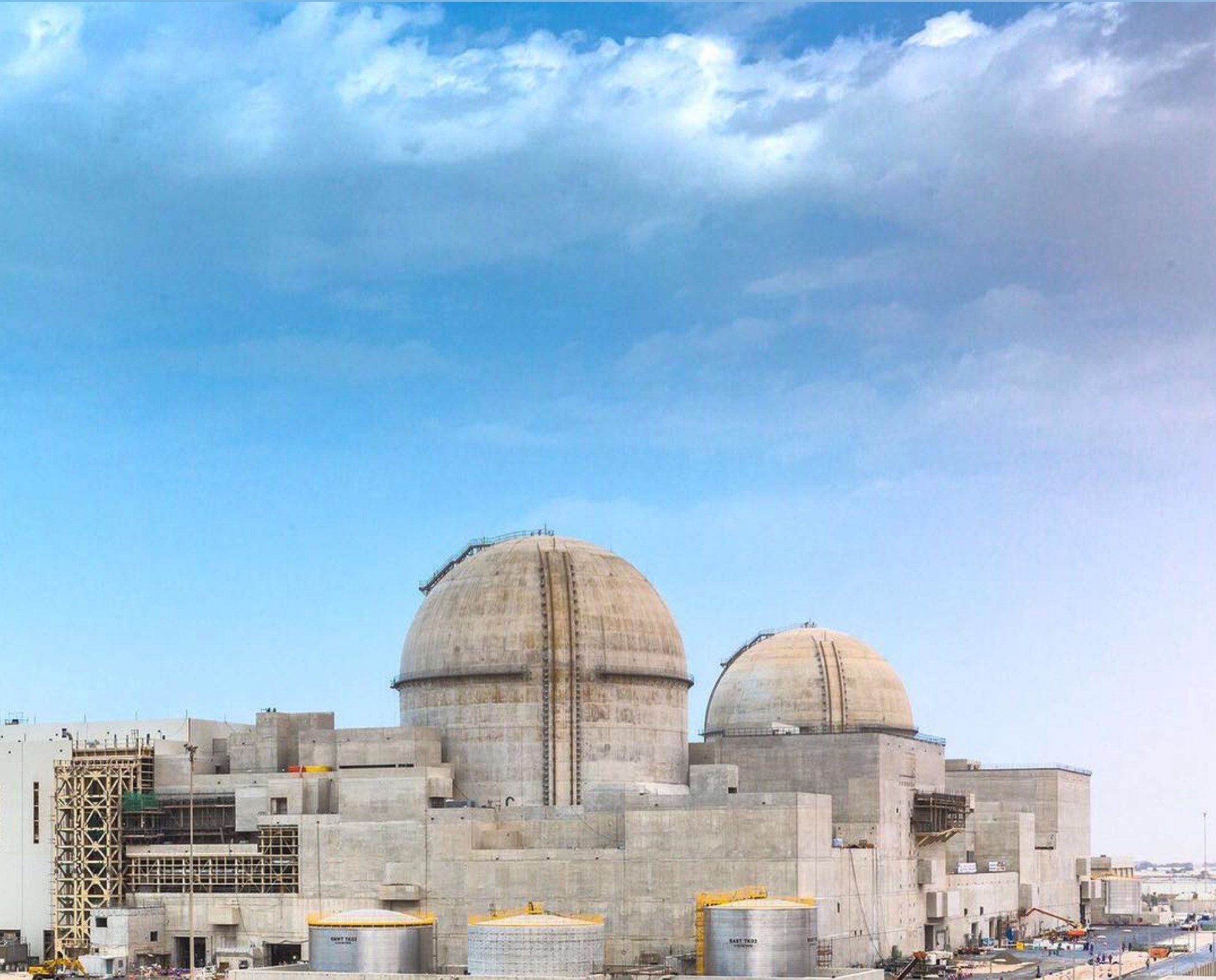
A drone strike ignited a fire at an external power-generator area near the Barakah nuclear power plant in the United Arab Emirates on Sunday [1].
The incident highlights the vulnerability of critical energy infrastructure to unmanned aerial vehicles amid rising regional tensions. While the strike did not cause a meltdown, the targeting of a nuclear facility raises significant international security concerns regarding the potential for radioactive contamination.
UAE authorities described the event as an "unprovoked terrorist attack" [2]. Official reports state that multiple drones targeted the UAE within a 48-hour period [3]. While most were intercepted, one drone breached air defenses and struck the generator area [4].
Rafael Grossi, Director General of the International Atomic Energy Agency, expressed urgent concern over the breach. "We are gravely concerned about the potential for a catastrophic release of radioactive material," Grossi said [5]. The IAEA warned that such attacks increase the risk of a major radioactive release if core safety systems are compromised.
UAE officials disputed the severity of the immediate risk. A spokesperson for the UAE Ministry of Energy said, "Radiation levels remain normal and there is no release of radioactive material" [6]. The ministry confirmed that zero leaks were detected following the fire [7].
Questions remain regarding the origin of the attack. A UAE spokesperson said the drones originated from Iraqi territory [8]. However, other reports indicate that no group has claimed responsibility and the origin was not confirmed [9].
The Barakah plant, located near Abu Dhabi, is a cornerstone of the UAE's energy strategy to diversify away from fossil fuels. The fire was contained to the external electrical infrastructure, preventing direct damage to the nuclear reactors themselves [10].
“"We are gravely concerned about the potential for a catastrophic release of radioactive material."”
This incident underscores a shift in regional conflict patterns where drones are used to target high-stakes infrastructure. By striking a nuclear site, the attackers demonstrated a willingness to risk a radiological disaster to achieve political or strategic goals. The contradiction between the IAEA's alarm and the UAE's reassurance suggests a tension between national image management and international safety protocols during a crisis.


