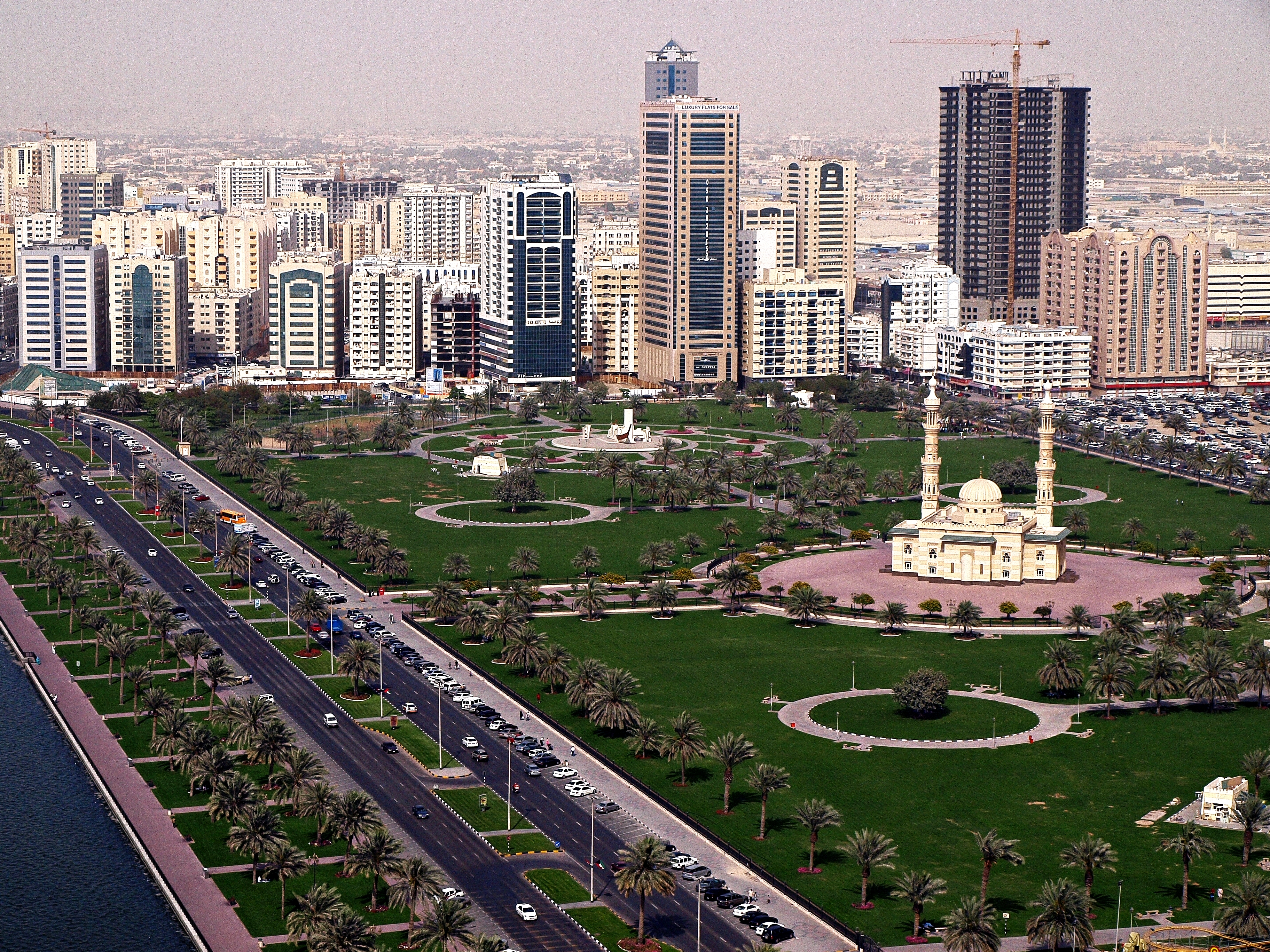
The UAE Ministry of Defence intercepted ballistic missiles, cruise missiles, and drones launched from Iran across the United Arab Emirates on May 4, 2026 [1].
The event marks a significant escalation in regional tensions, demonstrating the volatility of the Persian Gulf and the reliance of Gulf states on advanced air-defence systems to prevent direct strikes on civilian and military infrastructure.
Brigadier Abdul Nasser Al Humaidi, a spokesman for the Defence Ministry, confirmed the scale of the operation during a briefing. "Our air defences have destroyed hundreds of Iranian missiles and drones," Al Humaidi said [2].
According to reports, the activity began with emergency alerts sent to the public between 1:30 a.m. and 6:00 a.m. on Monday [3]. The interceptions continued into the late Monday afternoon of May 4 [1].
The Ministry of Defence did not specify the exact types of air-defence systems used to neutralize the threats, but the operation spanned the entirety of the country [1]. The influx of weaponry included a mix of ballistic missiles and cruise missiles, both of which are capable of high-speed travel, alongside unmanned aerial vehicles [1].
Despite the intensity of the barrage, the UAE government has maintained a stance against entering a full-scale war [3]. The coordination between the military and emergency services remained active throughout the early hours of the day to ensure public safety during the alerts [3].
Regional observers noted that the launch of hundreds of projectiles [2] represents a concerted effort to test the responsiveness of the UAE's defensive perimeter. The ministry continues to monitor the airspace for further activity following the May 4 events [1].
“Our air defences have destroyed hundreds of Iranian missiles and drones.”
The scale of this interception—involving hundreds of projectiles—suggests a shift from sporadic drone harassment to a coordinated saturation attack. By utilizing a combination of ballistic and cruise missiles, Iran tested the UAE's ability to manage multiple threat vectors simultaneously. The UAE's decision to maintain a defensive posture rather than retaliate indicates a strategic desire to avoid a wider regional conflict while signaling that its air-defence capabilities are sufficient to deter territorial incursions.


'%2F%3E%0A%20%20%20%20%3Crect%20width%3D'1600'%20height%3D'900'%20fill%3D'url(%23v)'%2F%3E%0A%20%20%20%20%3Cg%20opacity%3D'0.08'%20fill%3D'%23ffffff'%3E%0A%20%20%20%20%20%20%3Ccircle%20cx%3D'1420'%20cy%3D'180'%20r%3D'220'%2F%3E%0A%20%20%20%20%20%20%3Ccircle%20cx%3D'1500'%20cy%3D'760'%20r%3D'120'%2F%3E%0A%20%20%20%20%3C%2Fg%3E%0A%20%20%20%20%3Cline%20x1%3D'80'%20y1%3D'172'%20x2%3D'220'%20y2%3D'172'%20stroke%3D'%23ffffff'%20stroke-width%3D'3'%20stroke-opacity%3D'0.6'%2F%3E%0A%20%20%20%20%3Ctext%20x%3D'80'%20y%3D'140'%20font-family%3D'Inter%2C%20-apple-system%2C%20Helvetica%2C%20sans-serif'%20font-weight%3D'700'%20font-size%3D'28'%20fill%3D'%23ffffff'%20letter-spacing%3D'6'%3EHANNA%20%C2%B7%20NEWS%3C%2Ftext%3E%0A%20%20%20%20%3Ctext%20x%3D'80'%20y%3D'230'%20font-family%3D'Inter%2C%20-apple-system%2C%20Helvetica%2C%20sans-serif'%20font-weight%3D'600'%20font-size%3D'40'%20fill%3D'%23ffffffb3'%20letter-spacing%3D'4'%3EWORLD%3C%2Ftext%3E%0A%20%20%20%20%3Ctext%20x%3D'80'%20y%3D'622'%20font-family%3D'Playfair%20Display%2C%20Georgia%2C%20serif'%20font-weight%3D'800'%20font-size%3D'86'%20fill%3D'%23ffffff'%20letter-spacing%3D'-1'%3ESouth%20Korea%20Faces%20Continued%3C%2Ftext%3E%3Ctext%20x%3D'80'%20y%3D'721'%20font-family%3D'Playfair%20Display%2C%20Georgia%2C%20serif'%20font-weight%3D'800'%20font-size%3D'86'%20fill%3D'%23ffffff'%20letter-spacing%3D'-1'%3EExtreme%20Heat%20and%20Tropical%3C%2Ftext%3E%3Ctext%20x%3D'80'%20y%3D'820'%20font-family%3D'Playfair%20Display%2C%20Georgia%2C%20serif'%20font-weight%3D'800'%20font-size%3D'86'%20fill%3D'%23ffffff'%20letter-spacing%3D'-1'%3ENights%3C%2Ftext%3E%0A%20%20%20%20%3Ctext%20x%3D'80'%20y%3D'870'%20font-family%3D'Inter%2C%20-apple-system%2C%20Helvetica%2C%20sans-serif'%20font-weight%3D'500'%20font-size%3D'22'%20fill%3D'%23ffffff66'%20letter-spacing%3D'2'%3Enews.hanna-ai.com%3C%2Ftext%3E%0A%20%20%3C%2Fsvg%3E)