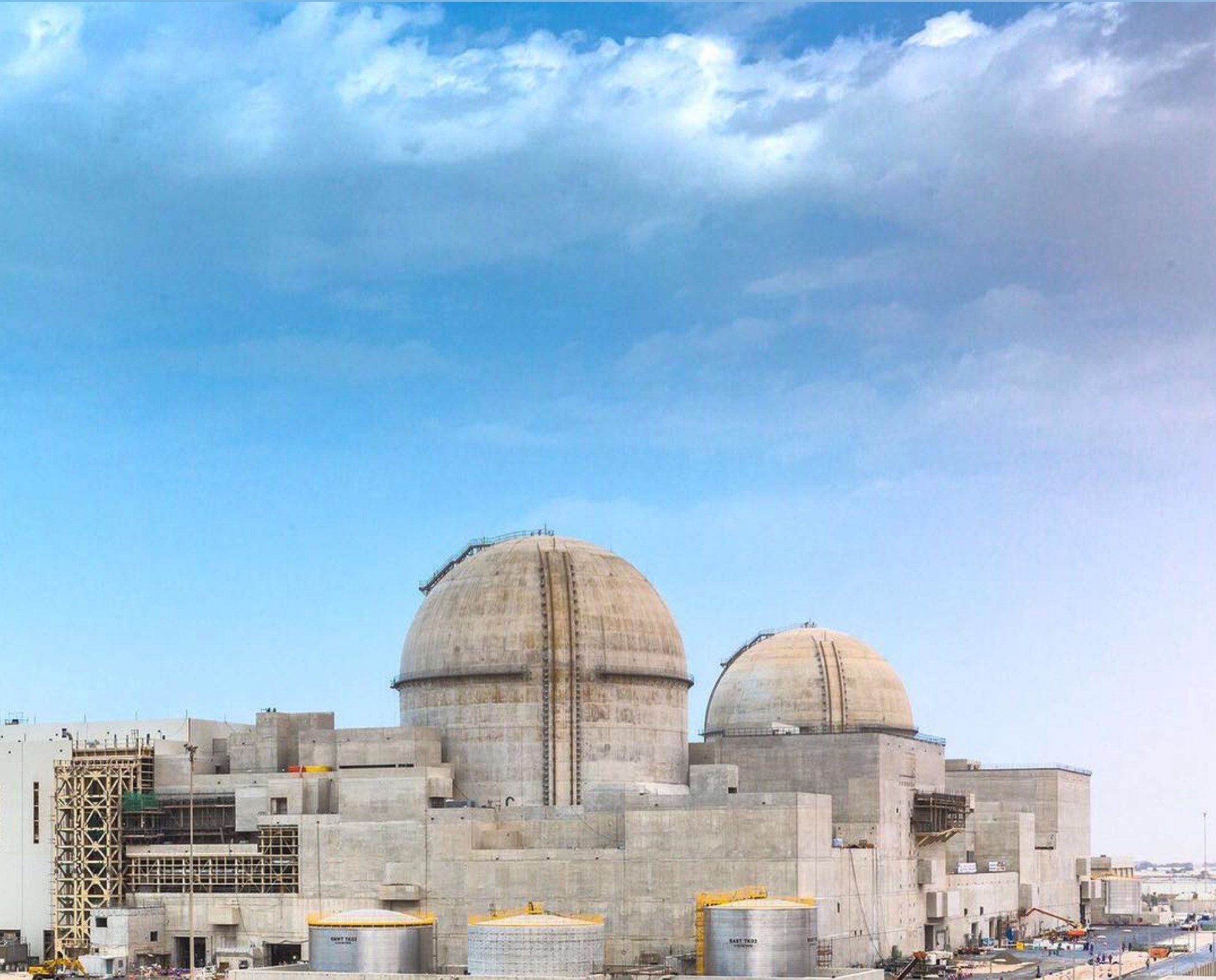
The International Atomic Energy Agency warned that a direct strike on the Barakah nuclear power plant could trigger a major radioactive release [1].
This incident highlights the growing vulnerability of critical energy infrastructure to drone warfare. While the plant remained stable, the breach of air defenses at a nuclear site raises significant international security concerns regarding the containment of hazardous materials during asymmetric conflicts.
Multiple drones targeted the United Arab Emirates within a 48-hour window [1]. During these attacks, one drone breached air defenses and struck an external power generator area located near the plant [1].
Regulators said no radiation leak occurred following the strike [1]. The IAEA issued its warning based on the potential for catastrophic failure if a drone were to strike the reactor core or primary containment structures directly rather than peripheral equipment.
UAE officials and the IAEA are now evaluating the security perimeter of the facility. The strike on the generator area demonstrates that current defense systems can be bypassed, a reality that necessitates updated protection protocols for nuclear sites worldwide.
Security experts said that the use of low-cost drones to target high-value infrastructure creates a new risk profile for nuclear energy. The Barakah plant is a central pillar of the UAE's energy strategy, and any disruption to its operation could have broader economic implications for the region [1].
“A direct strike on the Barakah nuclear power plant could trigger a major radioactive release.”
The incident at the Barakah plant underscores a shift in global security where commercial or military drones can bypass traditional air defenses to threaten strategic assets. Because nuclear facilities require absolute structural integrity to prevent radiation leaks, the transition from peripheral damage to a core breach represents a critical escalation in risk for nations integrating nuclear power into their energy grids.


