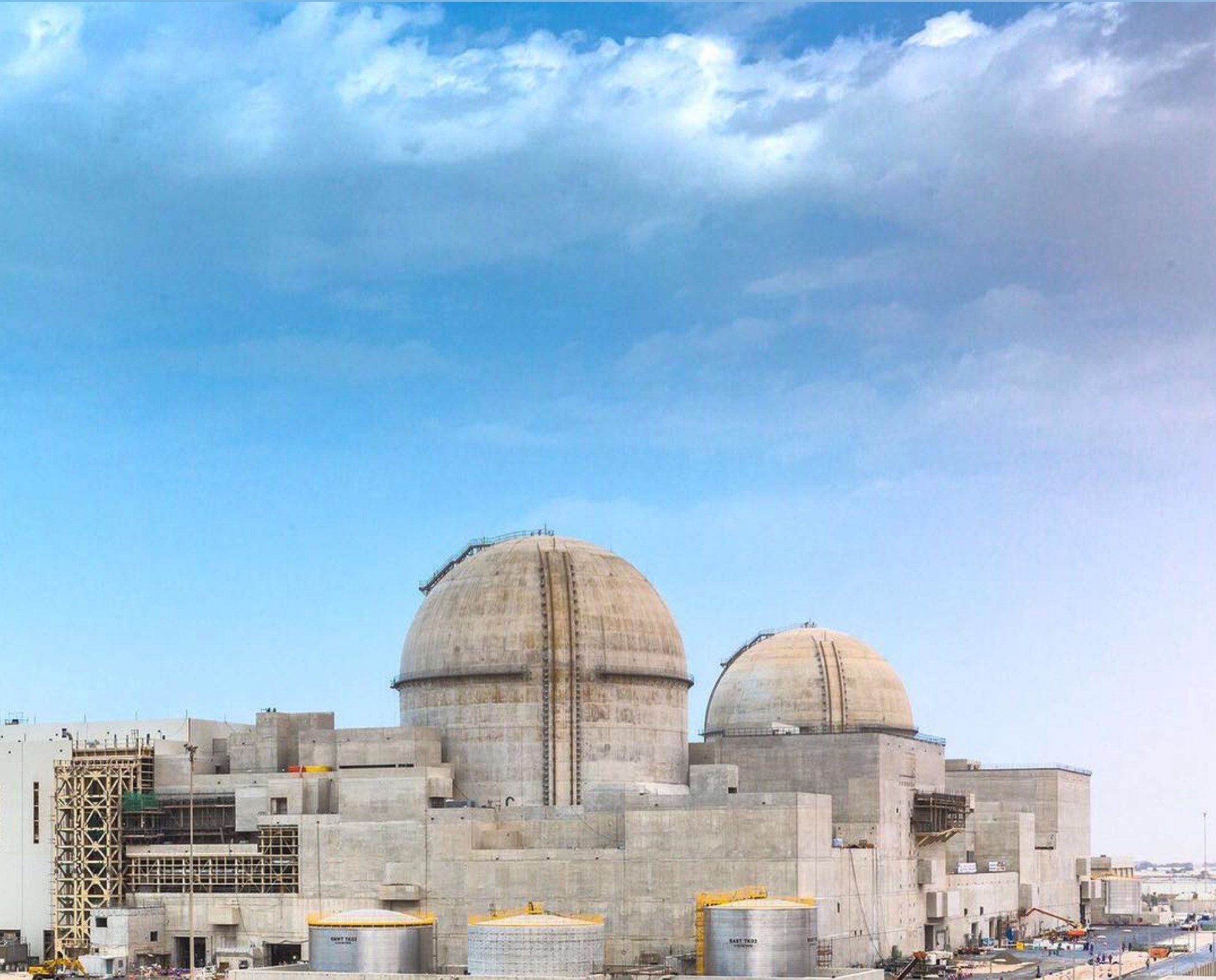
Drone strikes hit the Barakah nuclear power plant in the United Arab Emirates and separate targets in Saudi Arabia on May 17 [1].
These incidents occur as a deadlocked conflict between the U.S. and Iran threatens to escalate, with both nations signaling a possible resumption of hostilities [2, 3].
In Abu Dhabi, the drone strike triggered a perimeter fire at the Barakah facility, which is the only nuclear power plant in the UAE [3, 4]. Authorities said there was no major damage to the plant [5]. While some reports indicate no injuries occurred [1], other sources said three Indians were injured during drone attacks in Fujairah [6].
Saudi Arabian authorities also reported separate drone incidents, though specific locations were not identified [3]. No party has been officially blamed for the strikes, and the source of the attacks remains under investigation [1].
A UAE official said the UAE had the full right to respond to such 'terrorist attacks' [1].
The timing of the strikes coincides with sharp rhetoric from U.S. leadership. Donald Trump said "the clock is ticking" in reference to the situation with Iran [2].
Security forces in the region remain on high alert as the ceasefire between Iran and the U.S. teeters [7]. The strikes target critical infrastructure and energy hubs, increasing the risk of a broader regional conflict.
“"the clock is ticking"”
The targeting of a nuclear facility, even if the damage was limited to the perimeter, represents a significant escalation in regional volatility. By striking both UAE and Saudi infrastructure, the unidentified perpetrators are signaling the vulnerability of Gulf energy and power assets. This occurs during a fragile diplomatic window where the U.S. and Iran are weighing the costs of a return to open warfare.


