
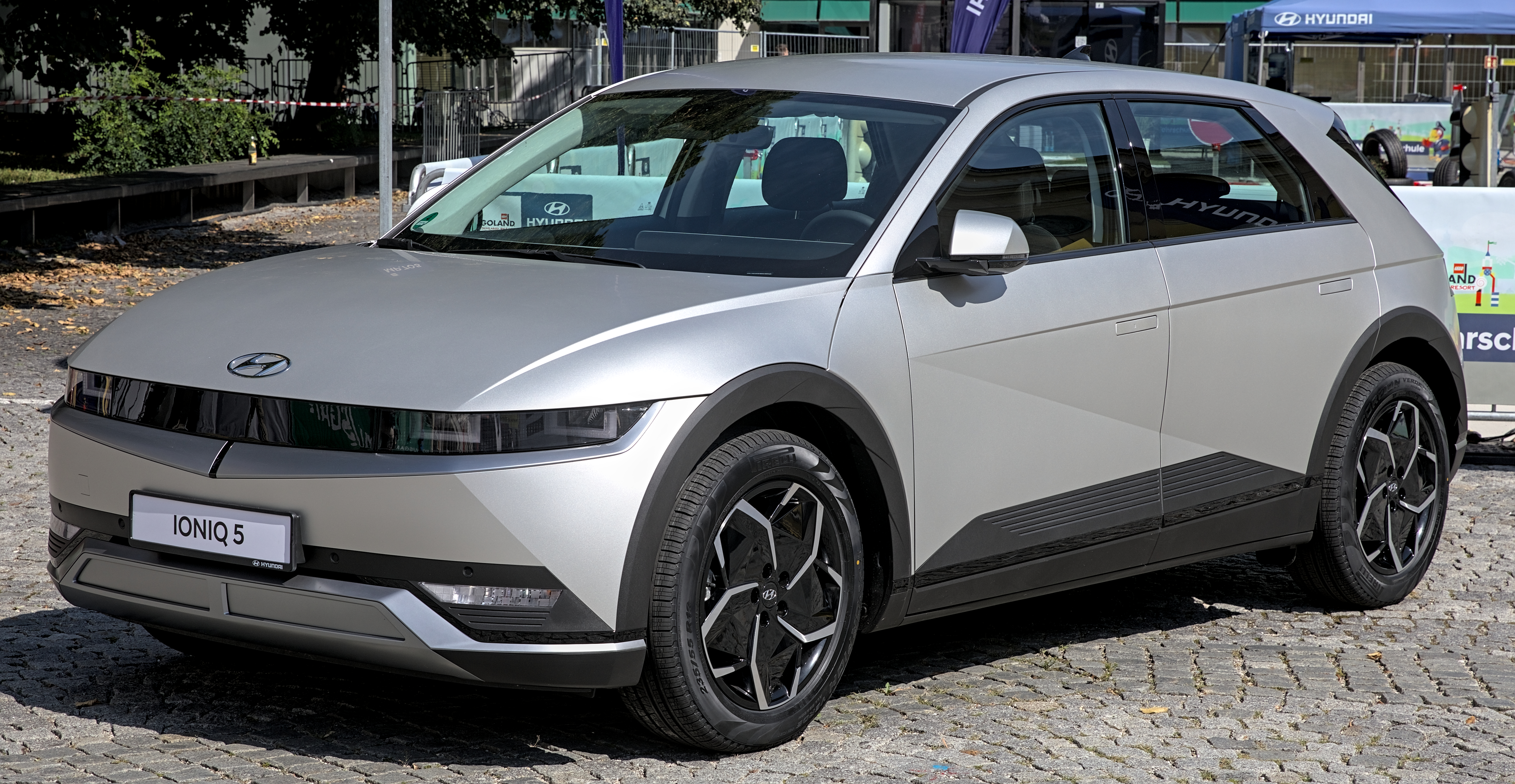
Uber will deploy 500 sensor-packed vehicles on public roads in the U.S. this year [1].
The move signals a strategic shift for the ride-hailing giant as it builds the foundational data needed to develop its own autonomous-driving technology. By gathering high-fidelity mapping and environmental data, the company aims to reduce its reliance on third-party autonomous partners and accelerate the timeline for its own robotaxi services.
These vehicles consist of modified Hyundai Ioniq 5 models [1]. Each car is equipped with a suite of sensors designed to capture the physical world in granular detail, which will then be used to train the algorithms for Uber's new AV Labs division [2]. The fleet will operate on city streets to ensure the AI encounters a diverse range of urban driving conditions [3].
The deployment is scheduled for 2026 [1]. This effort focuses on capturing the mapping and sensor data necessary to refine the software that will eventually power Uber's future mobility services [3]. While the company has previously partnered with other autonomous vehicle developers, the creation of AV Labs and the rollout of this dedicated fleet suggest a more direct approach to hardware and software integration.
By utilizing a fleet of 500 vehicles [1], Uber can collect a massive volume of real-world edge cases—rare driving scenarios that are difficult to simulate in virtual environments. This data is critical for ensuring the safety and reliability of autonomous systems before they are deployed as consumer-facing robotaxis [3].
“Uber will deploy 500 sensor-packed vehicles on public roads in the United States this year.”
This initiative represents Uber's attempt to bridge the gap between being a platform for other autonomous providers and becoming a primary developer of AV technology. By owning the data collection process via AV Labs, Uber gains control over the 'ground truth' mapping of cities, which is the most valuable asset in the race toward scalable robotaxis.


