
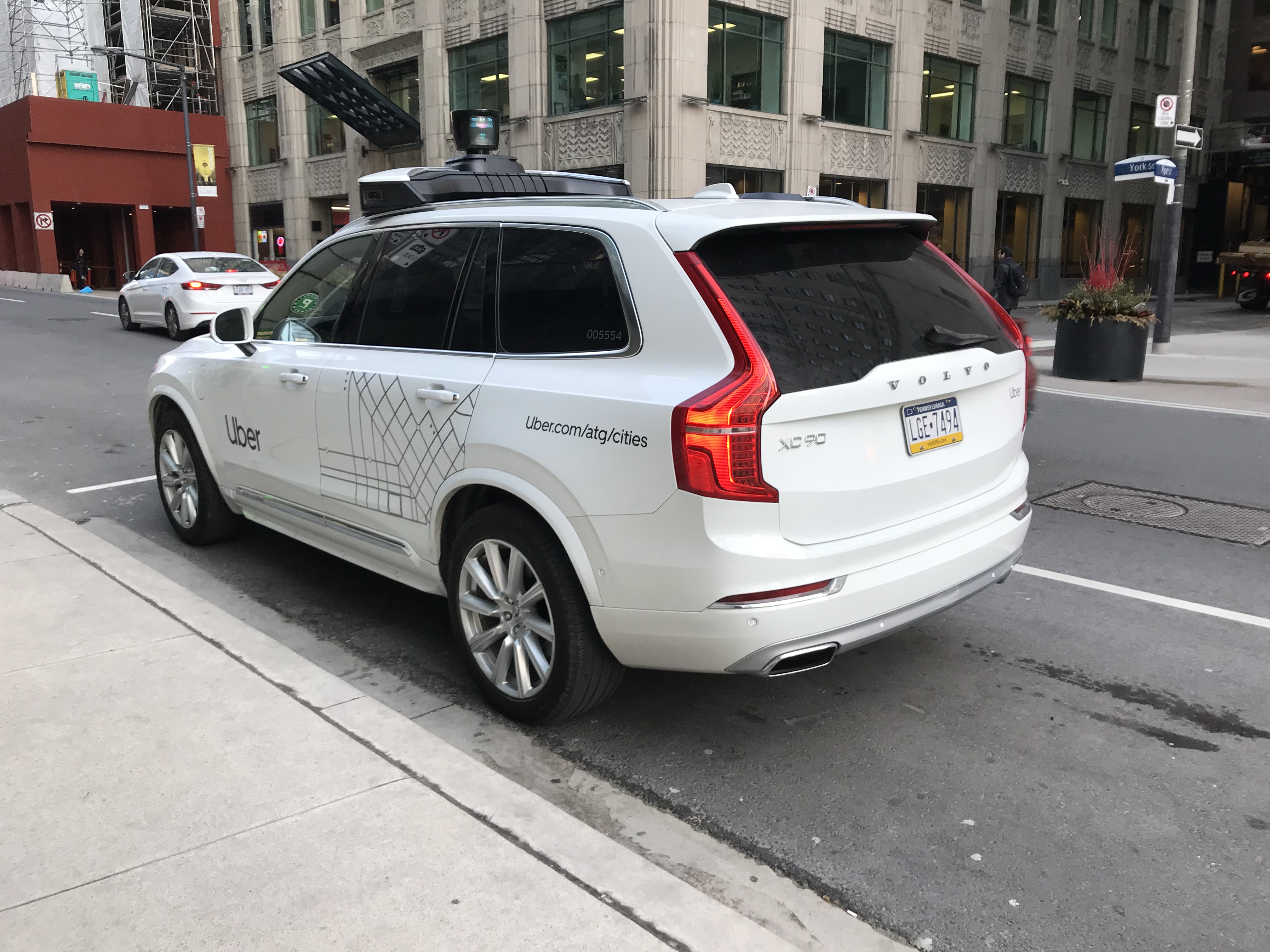
Uber customers in Canada and the U.S. report being charged for monthly Uber One memberships they say they never joined [1, 2].
These reports highlight growing concerns over transparency in subscription-based billing and the potential for misleading sign-up processes within major ride-sharing applications.
Users in Canada and some in the United States have identified unauthorized charges on their accounts for the Uber One membership [1, 2]. The affected customers said that they were enrolled in the paid program without their knowledge or consent [1, 2].
Uber Canada said it does not enroll people in its paid membership program without consent [1, 2]. The company said that users must agree to the terms before being charged for the service [1, 2].
Despite the company's position, customers continue to report billing errors [1, 2]. Some users said that the enrollment may have occurred through a misleading sign-up process that obscured the cost of the membership [1, 2].
Uber One provides members with various benefits, including reduced delivery fees, and discounts on rides [1, 2]. However, the cost of the monthly subscription is the primary point of contention for those who believe they were signed up involuntarily [1, 2].
Customers who discovered the charges have sought refunds and requested the immediate cancellation of the memberships [1, 2]. The situation has led to increased scrutiny of how digital platforms manage recurring payments, and user consent during the app onboarding process [1, 2].
“Uber customers in Canada and the U.S. report being charged for monthly Uber One memberships they say they never joined.”
This dispute underscores a recurring tension between 'dark pattern' design—where user interfaces steer consumers into unintended purchases—and corporate compliance claims. If a significant number of users are experiencing the same billing error, it may indicate a systemic issue in Uber's user interface or a glitch in its enrollment logic rather than isolated user error.


