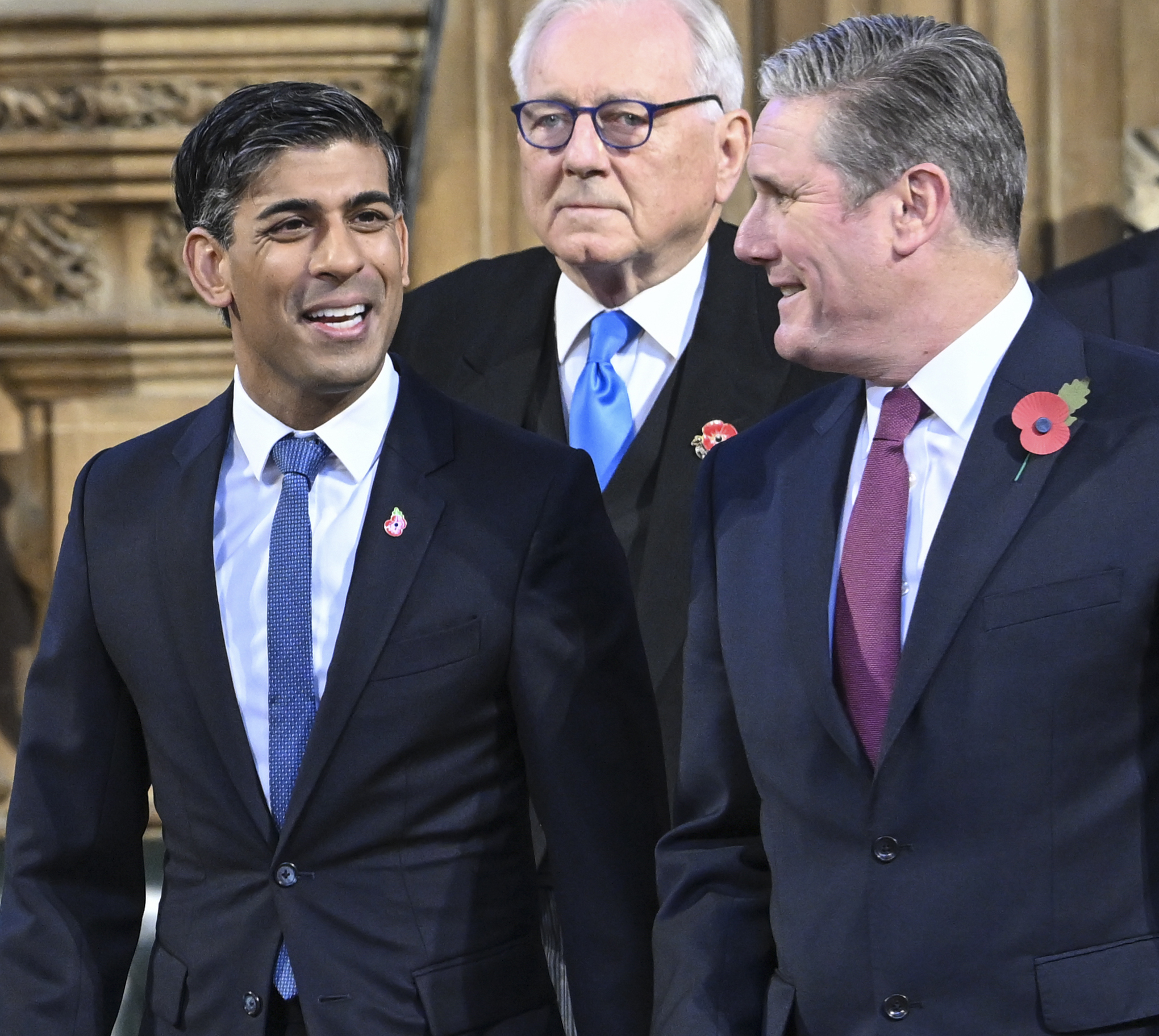
Recent local and regional elections across England, Scotland, and Wales show a significant voter backlash against Prime Minister Keir Starmer (Labour) [1].
These results signal a potential shift in the United Kingdom's political landscape. The rise of populist movements suggests that the historic grip of the two main parties on power is weakening, creating new challenges for the government from both the left and the right [1, 2].
Reform UK, led by Nigel Farage, has seen a strong showing in these contests [1, 2]. The party is positioning itself as a viable alternative to the established political order, drawing support from voters dissatisfied with the current administration and the Conservative Party [2].
In Wales, the impact was particularly evident during the Senedd elections held on May 7, 2024 [3]. The surge for Reform UK in this region threatens a period of Labour dominance that has lasted approximately 100 years [3]. This shift indicates that even long-standing political strongholds are becoming vulnerable to populist appeals.
Across England and Scotland, similar trends have emerged in local and regional voting patterns [1]. The volatility reflects a broader trend of voter frustration with the status quo, as citizens seek alternatives to the Labour and Conservative platforms [1, 2].
Prime Minister Starmer now faces the dual task of managing a governing mandate while addressing the grievances that have fueled the rise of Farage's party [1]. The results suggest that the traditional binary of British politics is under pressure as the electorate diversifies its preferences [2].
“The historic grip of the two main parties on power is weakening.”
The electoral success of Reform UK suggests a fragmentation of the UK's traditional two-party system. By eroding the century-long dominance of Labour in regions like Wales and challenging the Conservative base, Nigel Farage is leveraging populist sentiment to transform the political map. This shift forces the major parties to either pivot their policy positions to win back disillusioned voters or risk a permanent loss of regional strongholds.


