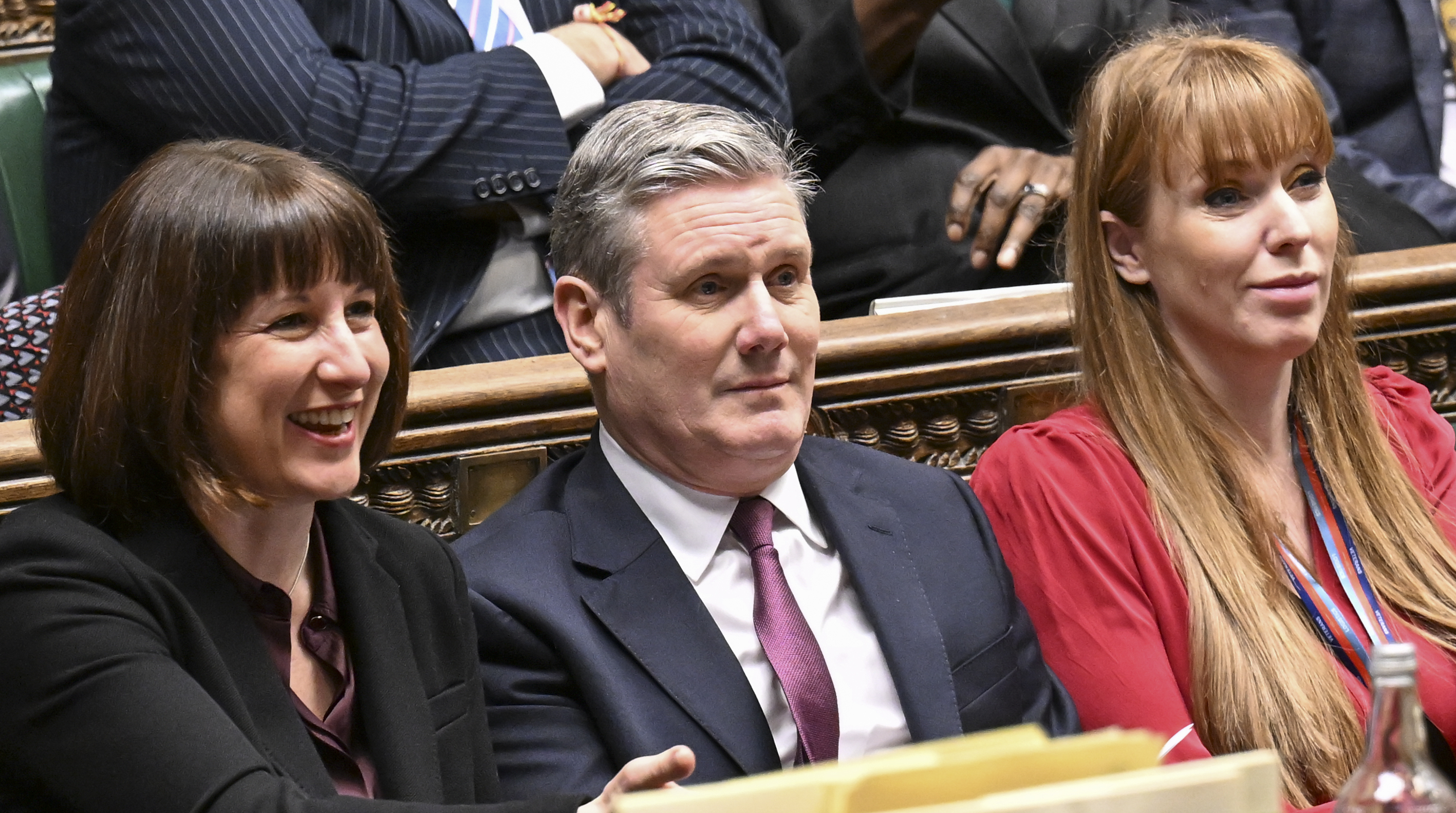
Prime Minister Keir Starmer and the Labour Party have lost seats and control of several core councils in the May 2026 local elections [1].
These results serve as a critical barometer of public support for the current government's policies. The losses intensify pressure on Starmer's leadership and raise questions about his political survival as the party struggles to maintain its local footprint [2].
Early counts from local authorities across England, Scotland, and Wales indicate a shift in voter sentiment [3]. While the exact number of lost councils has not been fully specified, the party has lost control of several key areas [1].
Starmer addressed the losses following the count. "We have suffered a tough loss, but we will learn from it and keep fighting for the British people," Starmer said [4].
Meanwhile, Reform UK has seen a significant increase in council seats [1]. A Sky News election analyst said Reform UK is making significant gains, taking seats from Labour in several key councils [5]. This surge suggests a growing appetite for right-wing alternatives in local governance.
Political analysts are divided on the immediate impact of these results. Sir John Curtice said the local elections have sent a clear message that voters are looking for an alternative to Labour’s record [6].
However, some observers suggest the full picture is not yet available to determine the ultimate fate of the Prime Minister [7]. The current atmosphere remains volatile as the party evaluates its strategy to recover lost ground in the coming months.
“"We have suffered a tough loss, but we will learn from it and keep fighting for the British people."”
The 2026 local election results indicate a fragmentation of the Labour coalition and a rise in support for Reform UK. This shift suggests that the government's current policy trajectory is failing to resonate with a segment of the electorate, potentially emboldening internal party critics and external opposition ahead of future national contests.


