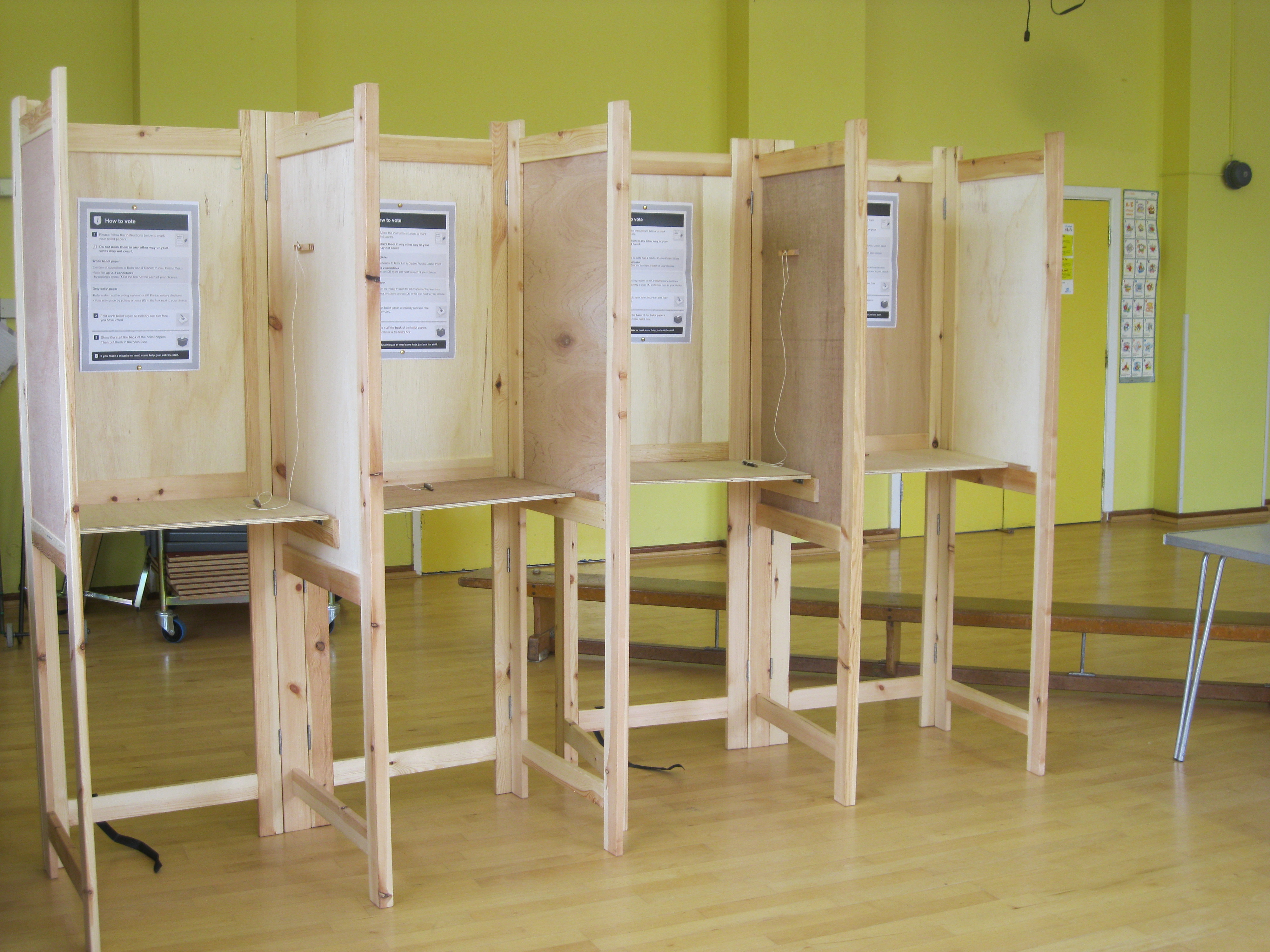
British voters cast ballots Thursday, May 7, 2026, in local and regional elections across the United Kingdom [1].
The results serve as a critical test for Prime Minister Keir Starmer (Labour), as the elections are viewed as a referendum on his leadership and the current direction of the government [2].
Voting is taking place for thousands of council seats [3]. The contest extends beyond local municipalities to include devolved parliaments in Scotland and Wales [3]. While the Labour Party seeks to maintain its standing, the populist Reform UK party and the Green party are both contesting seats and are positioned to make notable gains [1, 2].
Political analysts said that significant victories for Reform UK or the Greens could expose a fractured electorate and weaken the Labour Party's position [2]. The surge of populist sentiment and environmental priorities represents a dual challenge to the administration's current platform.
Because these elections occur across diverse regions, the outcomes are expected to provide a map of voter dissatisfaction or support in specific demographics. The results will likely influence the government's legislative priorities for the remainder of the year as Starmer navigates pressure from both the political right and left [2].
“The elections are viewed as a critical test of Starmer’s leadership.”
These elections act as a mid-term barometer for the Labour government. If Reform UK captures a significant number of seats, it signals a shift toward right-wing populism; conversely, gains for the Greens indicate a demand for more aggressive climate policy. Either outcome forces Starmer to either pivot his policy positions or double down on his current centrist strategy to prevent further erosion of his voter base.


