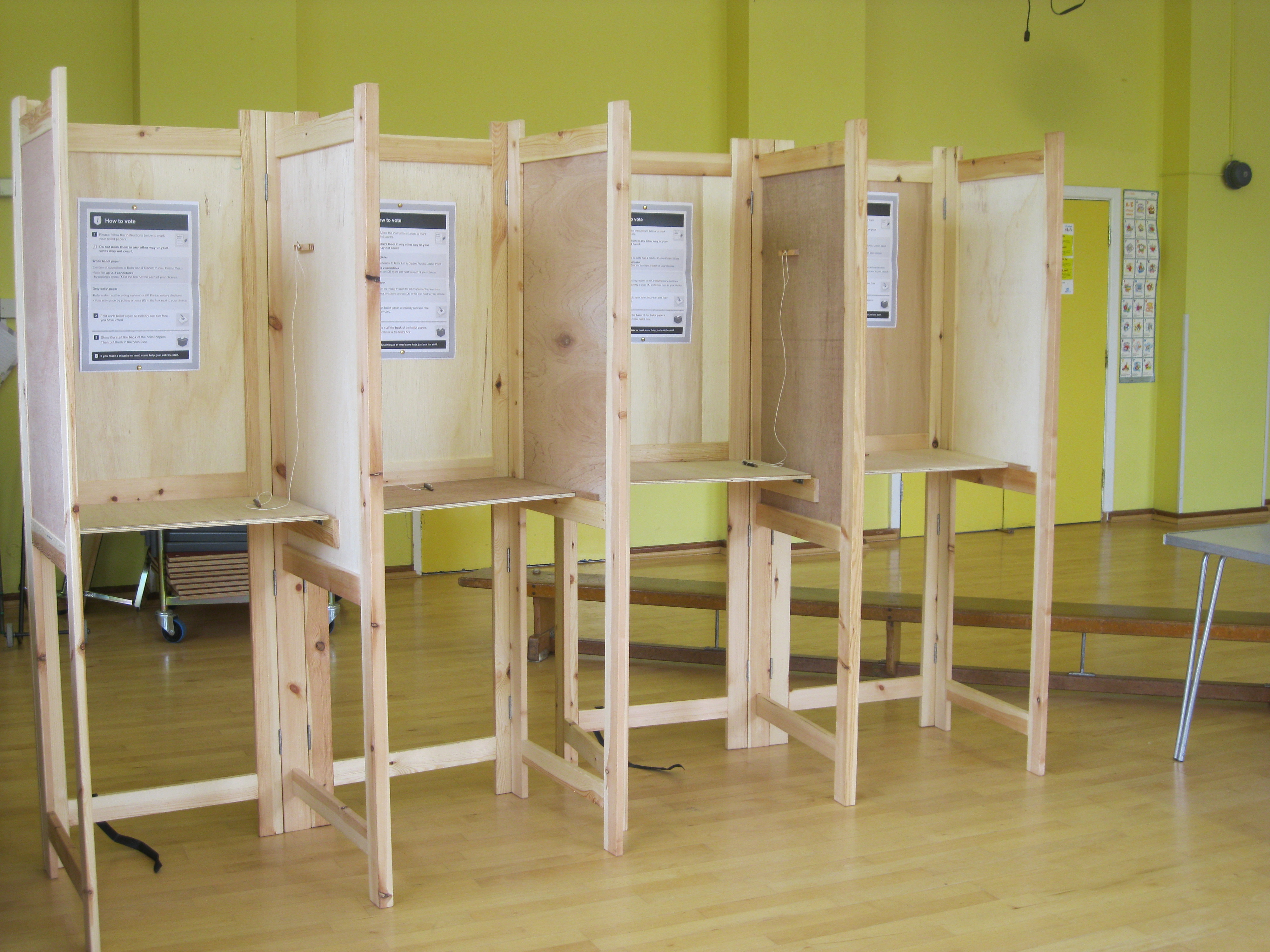
Polling stations opened across the United Kingdom on Thursday, May 7, 2026 [1], for local and regional elections.
These elections serve as a critical barometer for the current administration. Political analysts said the vote is a potential punishment for Prime Minister Keir Starmer (Labour) as voters weigh the government's performance against a backdrop of rising populist movements.
Across the country, citizens are casting ballots to determine local leadership. In London, activity was noted at key sites, including a polling station at Westminster Chapel [2]. The day marks a pivotal moment for the Labour party to gauge its standing with the electorate mid-term.
The political climate is characterized by a surge in support for populist parties on both the hard-right and left-wing. Figures such as Nigel Farage (Reform UK) are positioned to benefit if voters express dissatisfaction with the central government's direction [1], [3].
Observers said the results could signal a shift in public sentiment toward the Labour government. The elections are being framed as a direct verdict on Starmer's leadership and the party's ability to maintain its coalition of support amid economic and social pressures [3], [4].
Leading up to the vote, the atmosphere remained tense. Reports said the government faced significant pressure in the final hours before the polls opened [5]. The outcome will likely dictate the legislative priorities and political strategy of the Starmer administration for the remainder of its term.
“These elections serve as a critical barometer for the current administration.”
These local elections act as a proxy for national sentiment, providing a data point on whether Keir Starmer's Labour government has maintained its mandate. A significant loss of local seats to populist parties like Reform UK would suggest a volatility in the UK's political center, potentially forcing the government to pivot its policy approach to stave off further electoral erosion.


