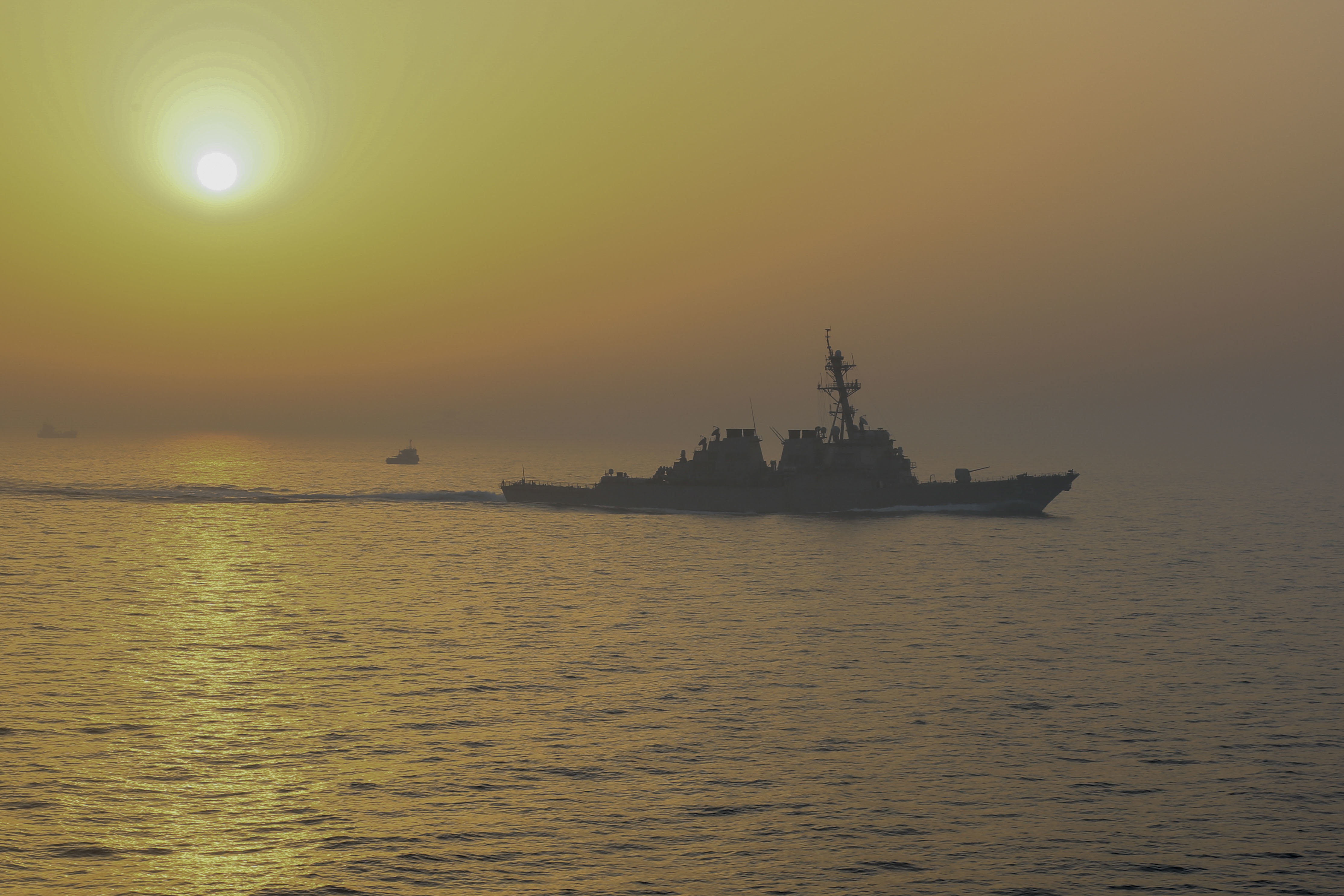
The British Royal Navy is preparing a potential mine-clearing operation in the Strait of Hormuz pending a peace agreement [1, 2].
This deployment represents a strategic move to protect global trade routes. The Strait of Hormuz is a critical chokepoint for commercial shipping, and the presence of naval mines would threaten the flow of oil and goods to international markets.
Reports indicate that hundreds of British sailors are currently awaiting deployment [1]. The RFA Lyme Bay is docked off Gibraltar as crews prepare for the mission [1, 2]. Other reports identify the HMS Dragon, a destroyer, as the vessel joining a freedom-of-navigation mission intended to unlock commercial shipping [3].
The operation aims to remove mines that could threaten merchant vessels, and to demonstrate support for allied efforts [1, 2]. This buildup comes amid heightened tensions between the UK and Iran, which have increased the risk of maritime instability in the region.
While the Royal Navy has positioned its assets, the mission remains on hold. The UK is waiting for a peace deal to be reached before officially launching the mine-clearing efforts [1, 2].
Differing reports describe the nature of the operation, with some sources calling it a specific mine-clearing mission and others characterizing it as a broader freedom-of-navigation exercise [1, 3]. Despite these differing descriptions, the core objective remains the security of the waterway [1, 3].
“The mission is on hold until a peace deal is reached.”
The UK's readiness to deploy mine-clearing capabilities signals a high level of alarm regarding the security of the Strait of Hormuz. By positioning assets like the RFA Lyme Bay and HMS Dragon, Britain is utilizing 'gunboat diplomacy' — maintaining a visible military presence to pressure adversaries and reassure allies while leaving a diplomatic window open for a peace agreement.


