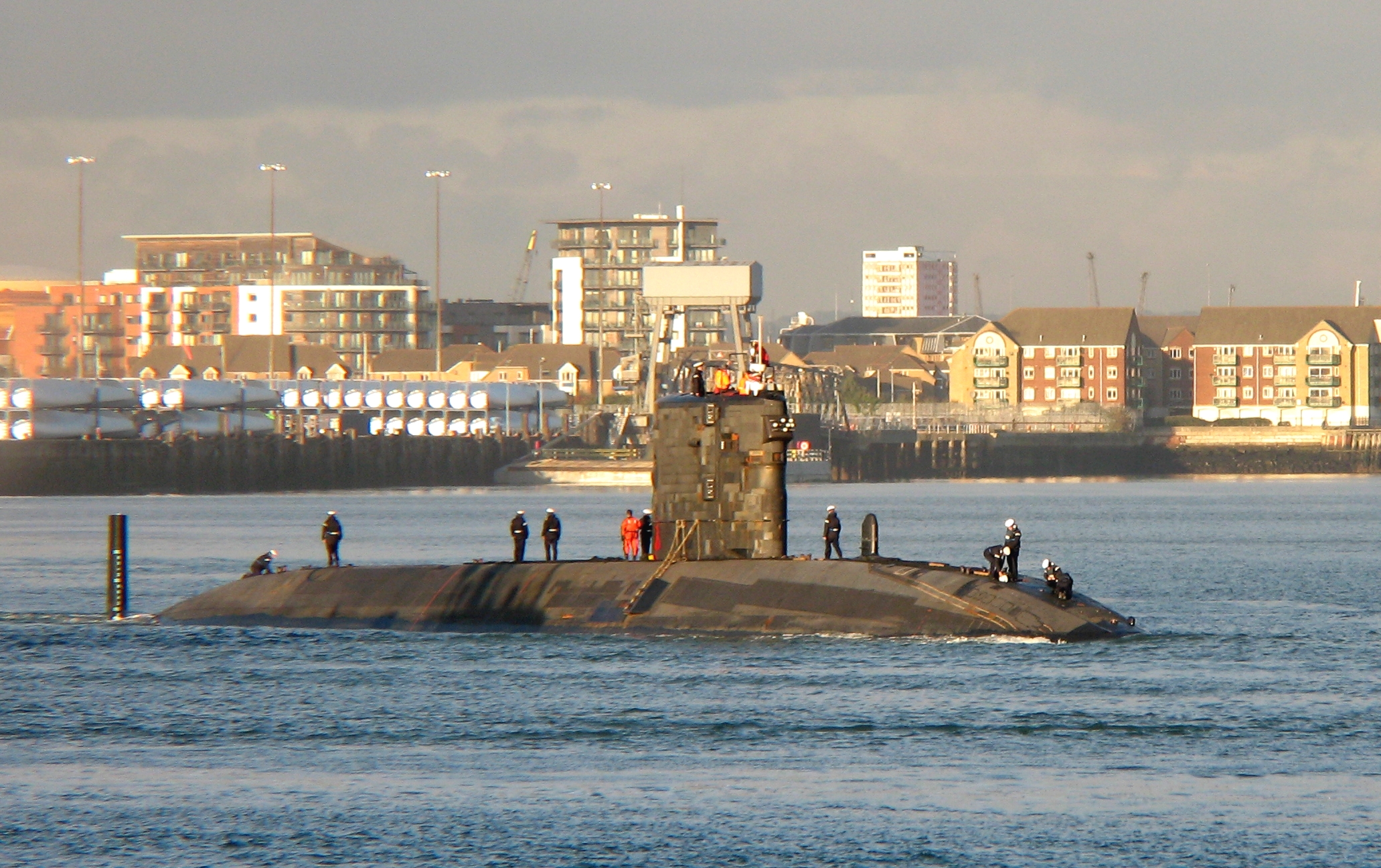
The UK government announced a multi-billion-pound investment on Friday to fund the construction and sea-trials of four Dreadnought-class nuclear-powered submarines [1].
This investment ensures the continuity of Britain's continuous at-sea deterrent while supporting high-skill jobs and apprenticeships within the domestic defence sector [2].
Reports on the exact funding amount vary between £8 billion [1] and £8.4 billion [2]. The program is tasked to BAE Systems, which will lead the delivery of the four vessels [1]. These new submarines are designed to replace the ageing Vanguard-class fleet [2].
The Dreadnought-class submarines will be equipped with Trident 2 D5 ballistic missiles [2]. Government officials, including Transport Secretary Andy Burnham (Labour), said the project is linked to a drive for new apprenticeships [2]. Other reports said Prime Minister Keir Starmer announced the plan [3].
The Royal Navy intends for the new fleet to enter service during the 2030s [4]. This modernization effort aims to sustain the UK's strategic capabilities as the previous generation of nuclear submarines reaches the end of its operational life [2].
The scale of the investment has already impacted the financial markets, with defence stocks seeing a boost following the news [3]. By focusing on BAE Systems for the construction, the government maintains a centralized industrial pipeline for its most critical naval assets [1].
“The UK government announced a multi-billion-pound investment to fund the construction and sea-trials of four Dreadnought-class nuclear-powered submarines.”
This investment represents a strategic commitment to maintaining a nuclear deterrent amidst evolving global security threats. By replacing the Vanguard class with the Dreadnought class, the UK is not only updating its military hardware but also anchoring its industrial strategy in high-skill manufacturing, and long-term defence contracts.


