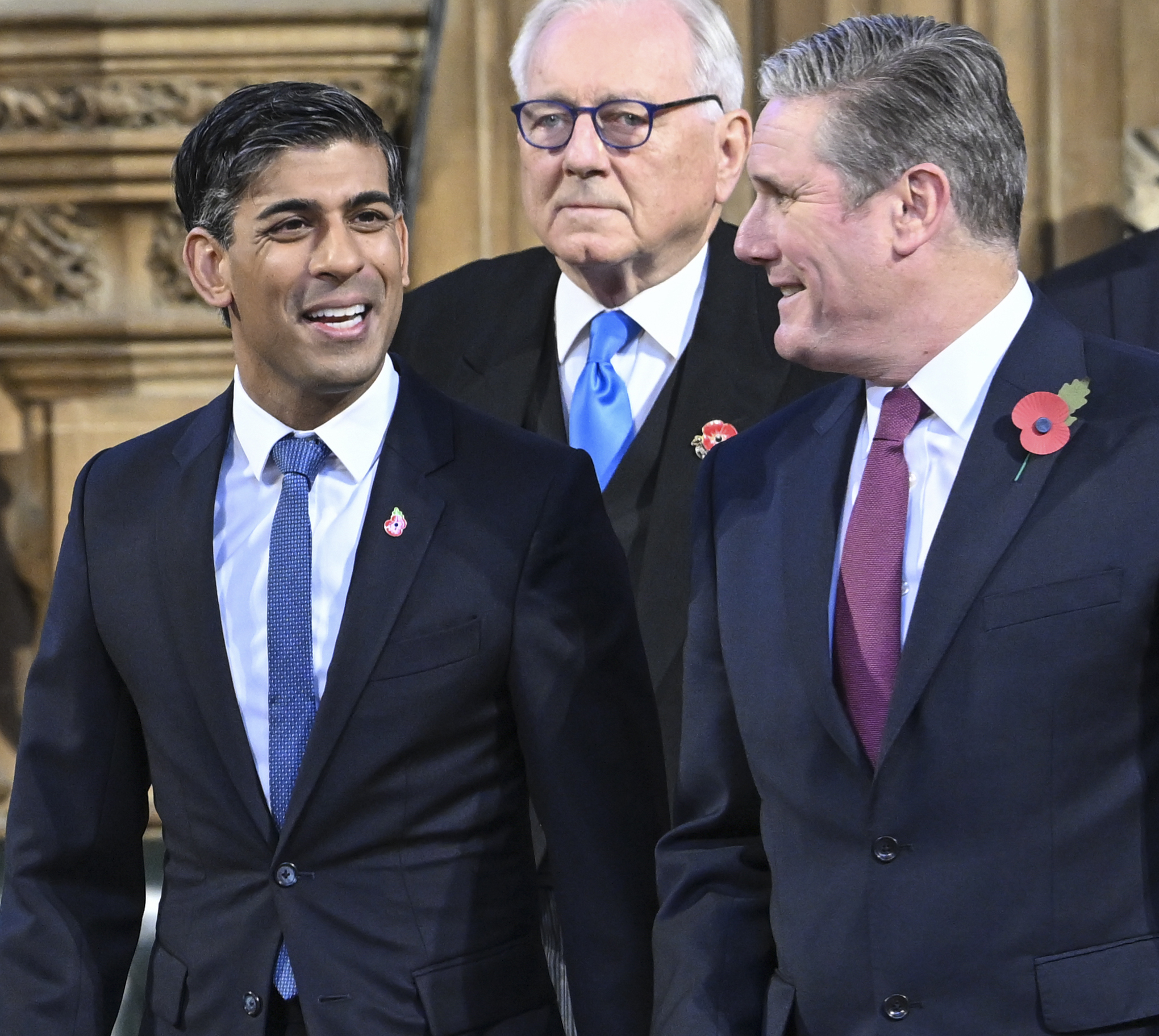
UK Prime Minister Sir Keir Starmer announced his resignation from office on Monday, June 22, 2026.
The departure of the Labour leader marks a period of significant instability for the British government and signals a shift in leadership within the party.
Starmer said the announcement from 10 Downing Street in London [1]. He is stepping down as both prime minister and leader of the Labour Party after facing a rebellion from his own members of parliament [2]. This resignation comes less than two years after he first took office [3].
Labour front-runner Andy Burnham is expected to succeed him in an orderly transfer of power [1]. If Burnham takes the role, he would become Britain's seventh leader in 10 years [1].
Timeline estimates for the transition vary across reports. Some indicators suggest Burnham could become prime minister as early as next month [1]. Other reports state a successor will be chosen in the next few weeks [4].
Starmer said he will remain as caretaker prime minister until a new Labour leader is chosen this summer [4]. The process is intended to ensure stability during the transition period as the party determines its next leader.
“Sir Keir Starmer announced his resignation from office on Monday, June 22, 2026.”
The rapid turnover of UK leadership highlights a deepening volatility within the British political system. With the potential for a seventh leader in a decade, the government faces challenges in maintaining long-term policy consistency and international credibility during a period of internal party strife.


