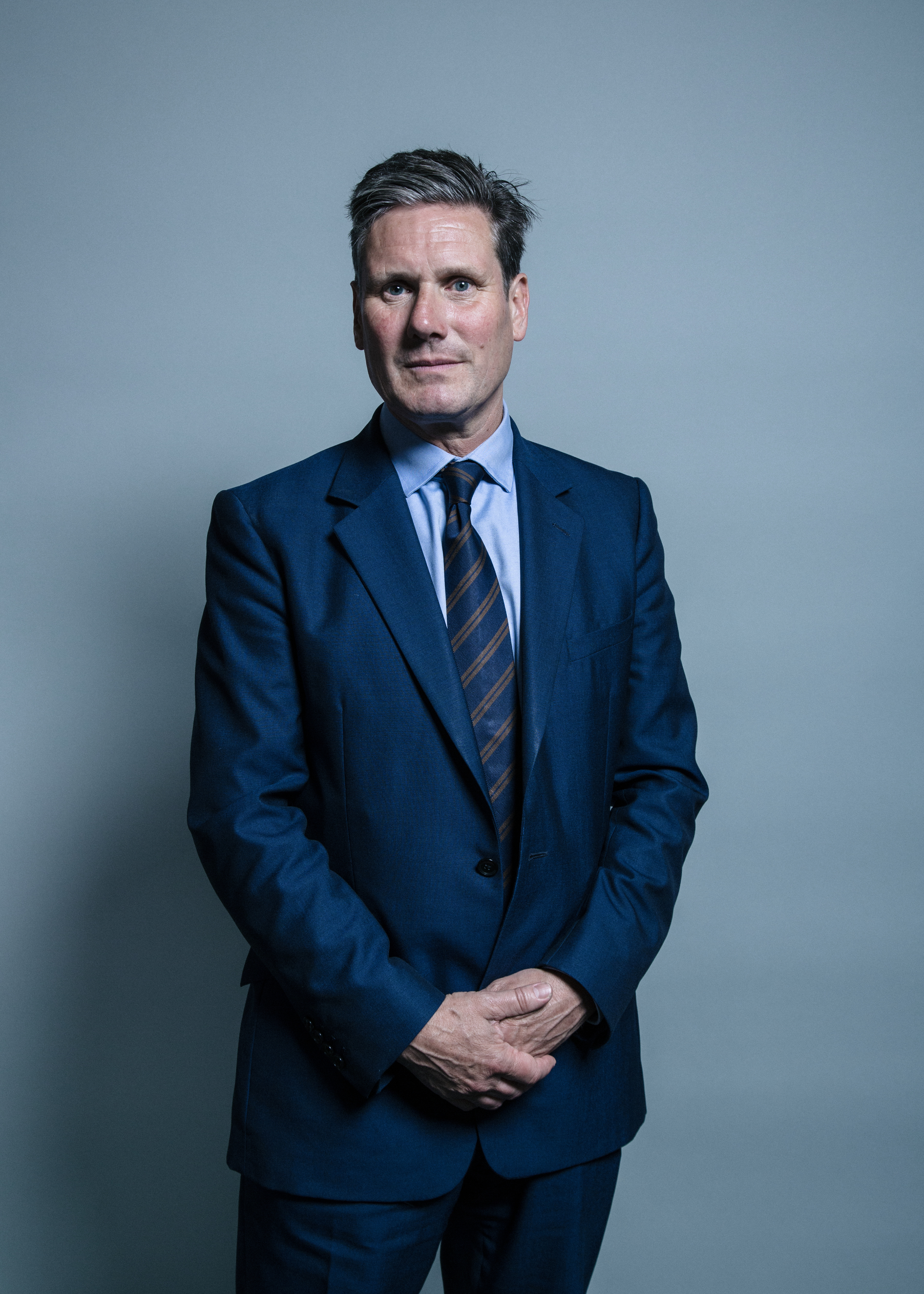
Prime Minister Keir Starmer (Labour) said he will not step down despite mounting pressure over his appointment of former minister Peter Mandelson as the United Kingdom’s ambassador to the U.S. after Mandelson failed a security‑vetting check. [1]
The controversy strikes at the heart of Westminster’s credibility and could destabilise the new Labour government, which has pledged a "fresh start" after the 2024 election. Critics argue that a failed vetting process for a senior diplomat undermines trust with allies, especially the U.S. [2]
Starmer said, "It is staggering and unforgivable that I was not informed Peter Mandelson had failed his security vetting. The oversight was unforgivable, and I will remain in office to address the issue." [4]
Opposition parties have launched calls for Starmer’s resignation, saying the scandal shows a breach of accountability. The Daily Mail reported that sources close to the government believed Starmer knew of the vetting failure days before it became public, a claim Starmer said in the Deutsche Welle interview. [5] [1]
The United Kingdom’s diplomatic security protocol requires thorough background checks before any ambassadorial posting. Failure of that process for Mandelson raises questions about the vetting system’s robustness and may prompt the U.S. to reassess the appointment pending further review. [3] [1]
**What this means** – The episode highlights the political risk of appointing high‑profile figures without fully vetted clearances. If the government cannot demonstrate control over its diplomatic selections, confidence among both domestic audiences and foreign partners may erode, potentially complicating U.K.–U.S. cooperation on security, and trade matters.
“It is staggering and unforgivable that I was not informed Peter Mandelson had failed his security vetting.”
The episode highlights the political risk of appointing high‑profile figures without fully vetted clearances. If the government cannot demonstrate control over its diplomatic selections, confidence among both domestic audiences and foreign partners may erode, potentially complicating UK‑US cooperation on security, and trade matters.


