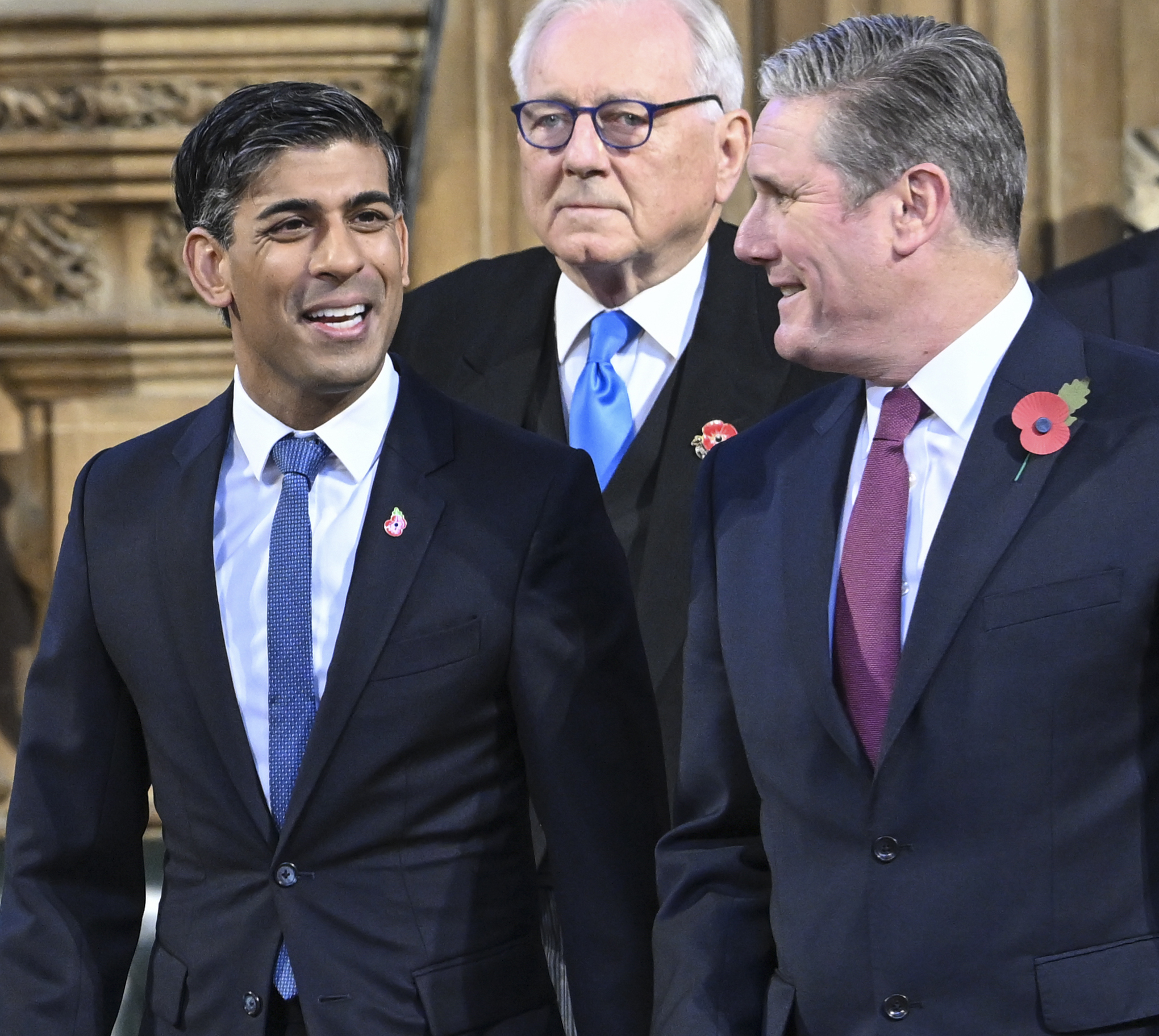
UK Prime Minister Keir Starmer said Monday that he will step down from his position as the leader of the United Kingdom [1].
The resignation marks a significant shift in British governance, as the own party must now navigate a leadership transition during a period of political instability. This move follows what has been described as a precipitous fall from favor for the Prime Minister [2].
Starmer outlined a transition plan to ensure the stability of the government during the handover process. According to the announcement, a new UK Prime Minister will be selected by September [1]. The timeline provides a window for the governing party to determine its next leader, and establish a new mandate for the administration [2].
While specific policy failures were not detailed in the announcement, the decision to resign stems from the loss of political support necessary to govern effectively [2]. The process for selecting the successor will follow established party protocols to fill the vacancy [1].
The Prime Minister's departure leaves a vacuum at the top of the UK executive branch. Observers said that the transition period will be critical for maintaining market stability and legislative progress before the new leader takes office in September [1].
“Keir Starmer announced Monday that he will step down from his position”
The resignation of Keir Starmer signals a period of vulnerability for the current UK administration. By setting a deadline of September for a new appointment, the government is attempting to prevent a prolonged power vacuum that could lead to further political volatility or a general election. The speed and success of this transition will depend on whether the party can unify behind a successor who can regain the public trust that Starmer lost.