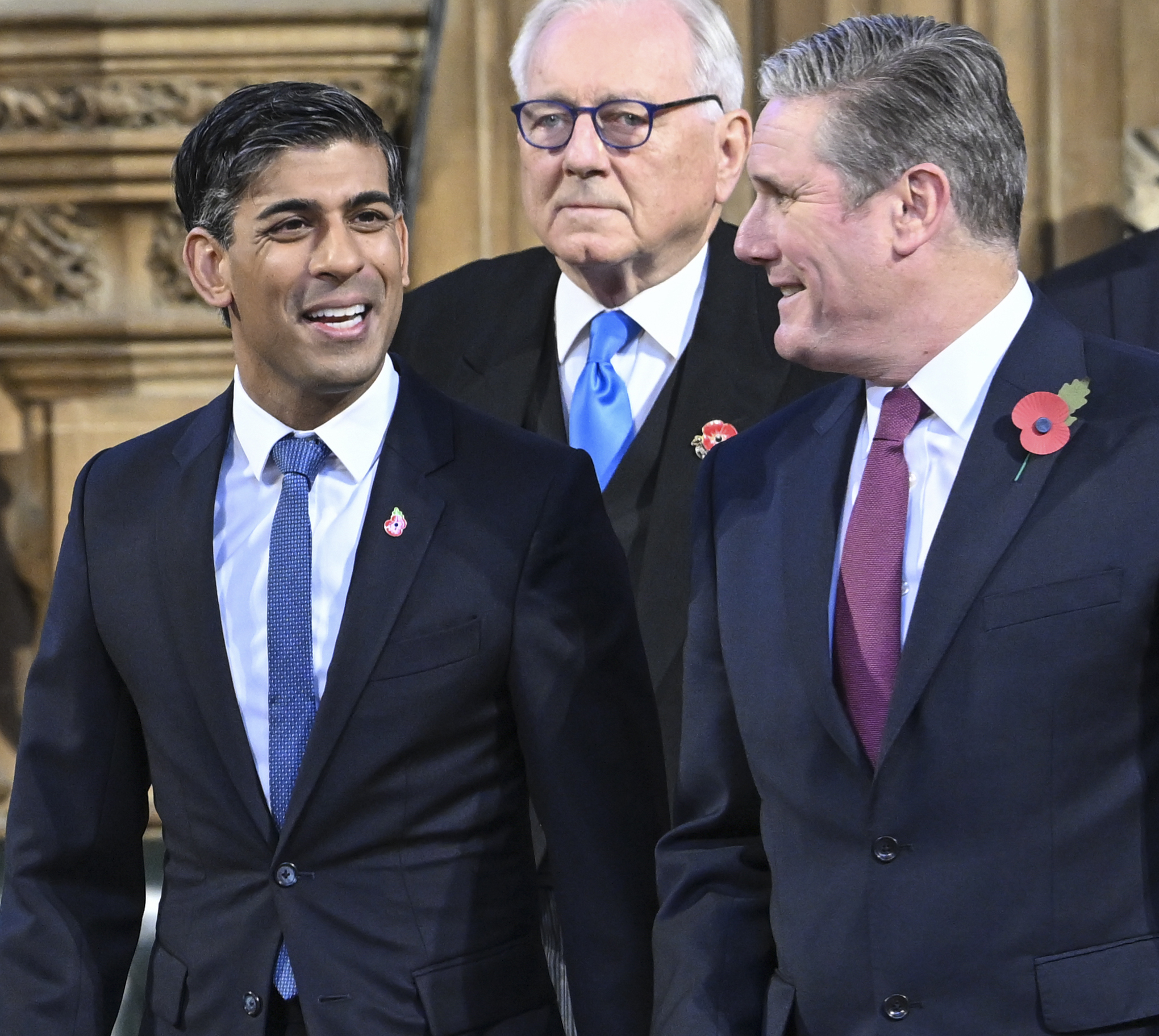
The United Kingdom is preparing for a change in government as Prime Minister Keir Starmer resigns on the 10th anniversary of the Brexit referendum [1].
This transition marks a period of significant political volatility for the country. The resignation of Starmer means the UK will have had seven prime ministers in 10 years [2].
The original Brexit vote took place on June 23, 2016 [2]. A decade later, the nation faces a leadership transition after Starmer's year-long tenure. While the political landscape remains unstable, financial markets in London have remained calm during the announcement.
Investors appear to view the change in leadership as routine. Current market volatility is driven more by global macroeconomic factors than by domestic political shifts. Specifically, tech stocks are facing pressure due to concerns over U.S. rate hikes [1].
In other global markets, the Japanese yen is trading near a 40-year low [1]. Despite the political turnover in London, some UK financial indicators have shown resilience, and the FTSE 100 has hit record highs over the decade following the referendum [3].
The incoming prime minister remains unnamed as the government prepares for the handover. The transition follows a decade of shifting policies, and economic adjustments resulting from the decision to leave the European Union.
“The UK will have had seven prime ministers in 10 years.”
The resignation of Keir Starmer underscores a decade of persistent political instability in the UK, where the frequency of leadership changes has become a defining feature of the post-Brexit era. However, the muted reaction from financial markets suggests that investors are now more concerned with global monetary policy and U.S. interest rates than the specific identity of the British prime minister.


