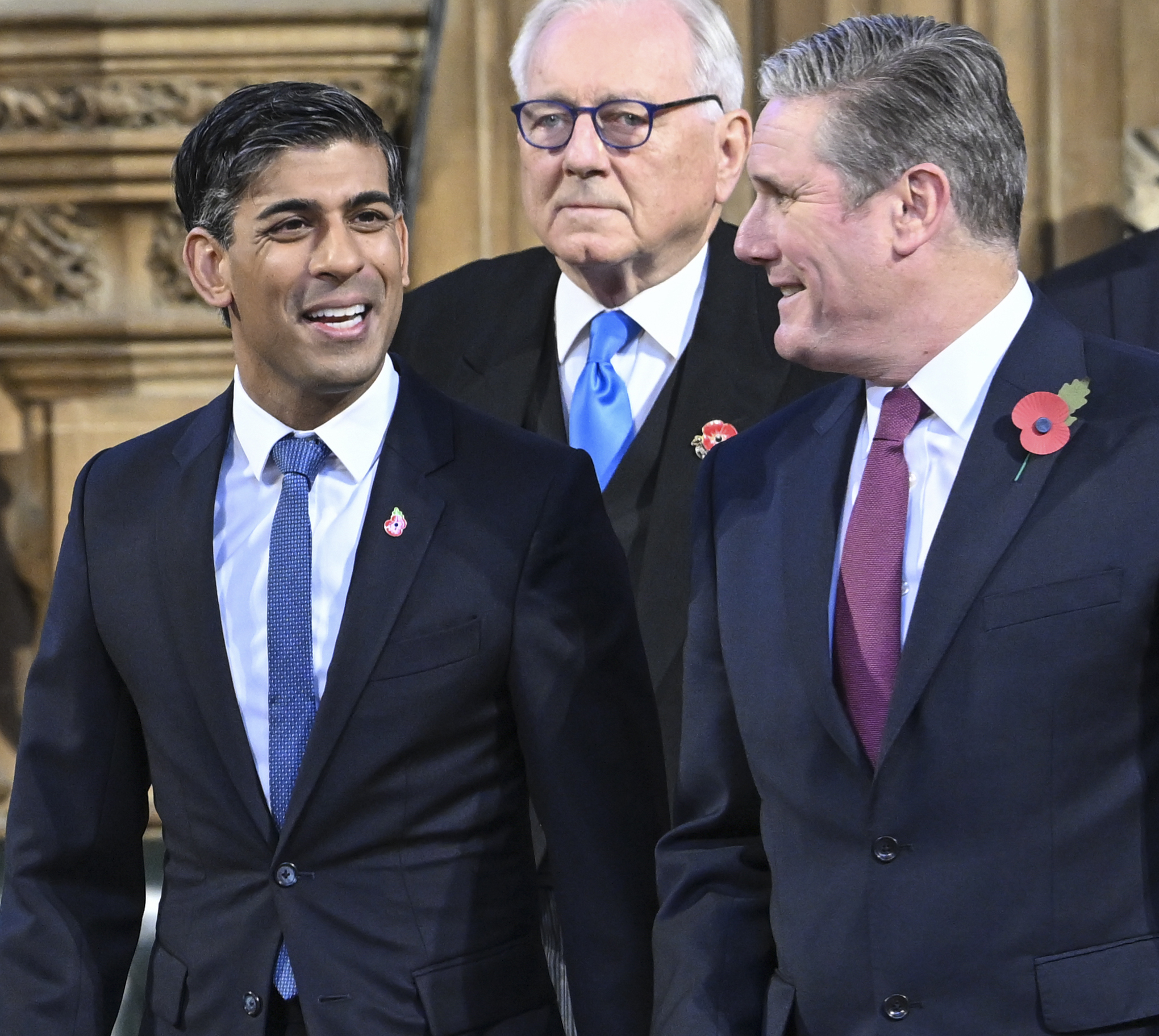
Britain could be headed for its seventh prime minister within a 10-year period following the expected resignation of Keir Starmer [1].
The potential leadership change underscores a period of profound political instability in the United Kingdom. A rapid succession of leaders suggests a struggle to maintain government continuity amid volatile economic conditions and internal party friction.
Starmer served less than two years in office before resigning [2]. His departure follows a period of intensifying political pressure and fiscal challenges that weakened his standing at 10 Downing Street [3]. Bond-market concerns further complicated the administration's ability to implement a stable economic agenda [4].
"Pressure is mounting on Prime Minister Keir Starmer as the UK faces fiscal challenges and bond-market concerns," Steve Sedgwick said [4].
The prospect of another transition has drawn comparisons to previous short-lived premierships. Fiona Mitchell said that for a man who promised to be different, the end of Starmer's term was uncannily similar to his recent predecessors [1].
Potential successors, including Andy Burnham, are now being viewed as candidates to lead the government [5]. The transition comes as the country grapples with the same systemic pressures that precipitated the exits of previous leaders.
"Starmer resigned after less than two years in office, citing intense political pressure," the Mathrubhumi editorial team said [2].
“Britain could be headed for its seventh prime minister within a 10-year period.”
The anticipated resignation of Keir Starmer reflects a systemic volatility in British governance, where the intersection of bond-market sensitivity and political instability creates a cycle of short-term leadership. Having seven prime ministers in a decade suggests that the UK is struggling to find a sustainable consensus on fiscal policy, leaving the government vulnerable to market fluctuations and internal party pressure.


