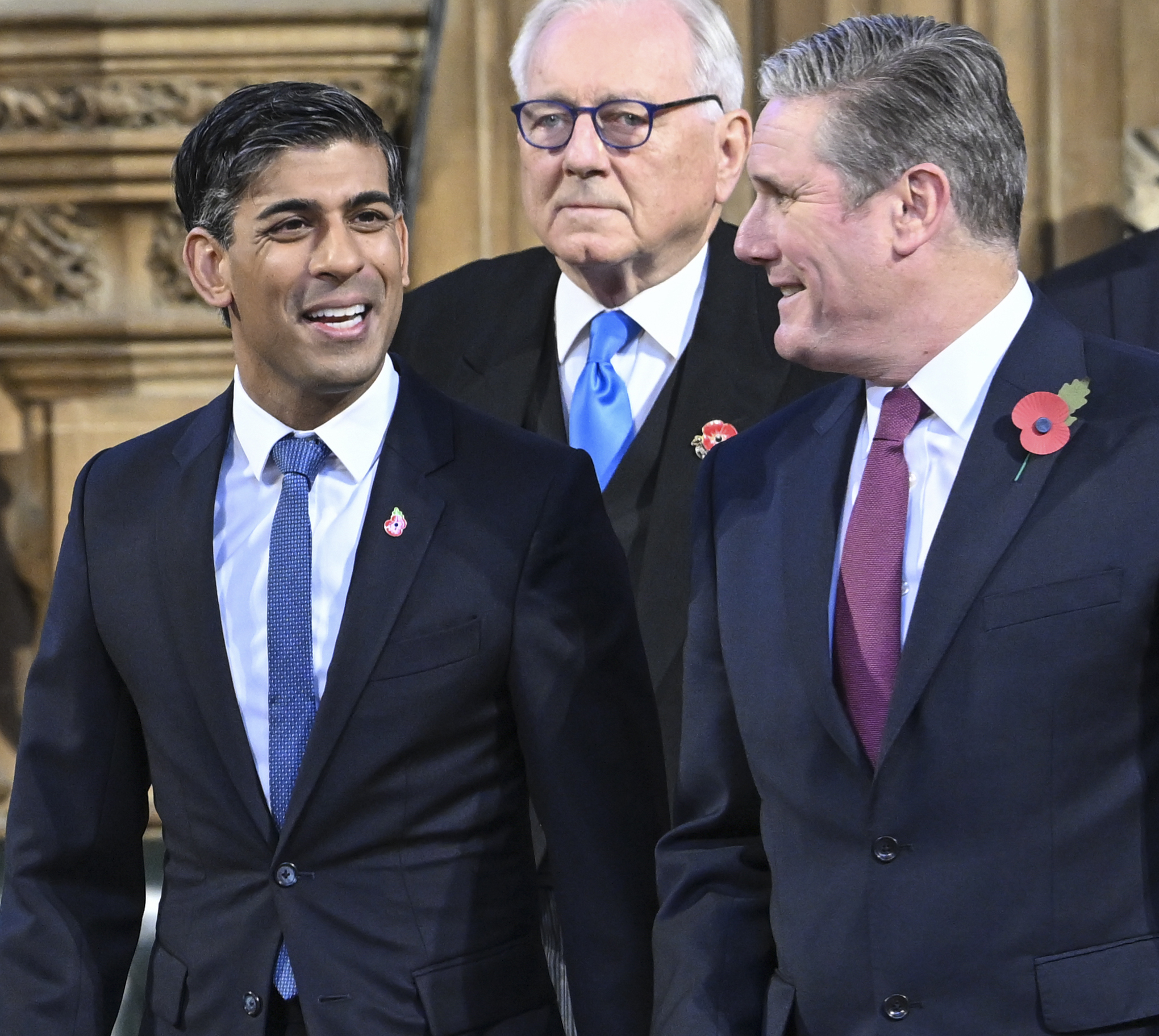
Prime Minister Keir Starmer announced that the United Kingdom will ban children under 16 [4] from accessing social media apps.
The move represents a significant shift in digital regulation, aiming to mitigate the impact of algorithmic feeds and online interactions on adolescent development. By restricting access to platforms such as TikTok, Snapchat, Instagram, and X, the government intends to reduce the prevalence of online harms.
Starmer said the government needs to give kids their childhood back. He said that social media is making children unhappy and unsafe. The policy is designed to prioritize mental health and safety over digital connectivity for minors.
The restriction is expected to take effect in early 2027 [1]. While some reports specify the ban will arrive in the early part of next year [2], others indicate the timeline may extend into next spring [3]. The government has not yet detailed the specific technical mechanisms for age verification, though the ban will apply to the most widely used social platforms.
This initiative follows growing concerns regarding the role of social media in increasing unhappiness among youth. The UK government intends to force platforms to implement stricter barriers to entry for those under the age limit [4].
Starmer said the ban will come into force in the early part of next year [2]. The administration believes that removing these platforms from the daily lives of young teenagers will allow them to engage more with the physical world and improve overall wellbeing.
“We need to give kids their childhood back.”
The UK's approach signals a move toward aggressive state intervention in the digital lives of minors, shifting the burden of age verification from parents to the platforms themselves. If implemented successfully, this could create a global precedent for 'digital adulthood' thresholds, potentially forcing social media companies to redesign their onboarding processes for the entire European market to ensure compliance with British law.


