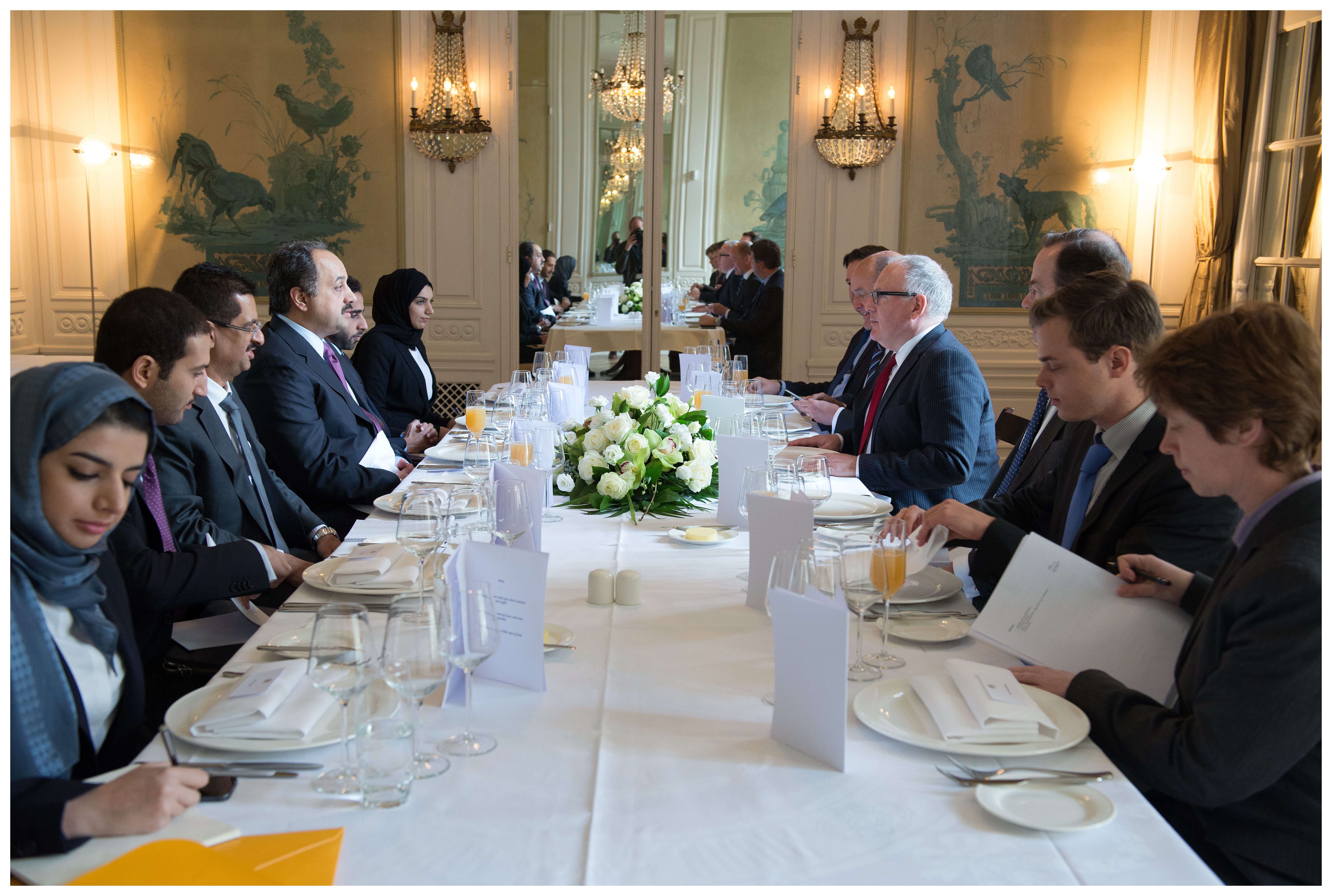
British Defence Minister John Healey led a meeting in London with more than 40 defence ministers to secure navigation through the Strait of Hormuz [1].
This initiative represents a significant effort to stabilize one of the world's most critical maritime chokepoints. Because the Strait of Hormuz is vital for global energy supplies, any disruption to trade in the region could trigger widespread economic instability.
The meeting took place on April 23, 2026 [2]. Healey and French Defence Minister Catherine Vautrin coordinated the gathering to mobilize both political and military support for a UK-led mission [1]. The primary objective of the operation is to ensure the continued flow of trade, and protect maritime traffic amid rising security concerns in the region [1].
Participants discussed the logistics of securing the waterway, which serves as a primary artery for oil and gas shipments. The UK is seeking a broad coalition of international partners to provide the necessary assets and political backing to maintain a permanent or semi-permanent security presence in the area [1].
Healey expressed optimism regarding the diplomatic efforts to build this coalition. "We are confident in the ability to make progress," Healey said [3].
The scale of the meeting — involving more than 40 ministers — suggests a high level of international concern over the vulnerability of the Strait [1]. The collaboration between the UK and France indicates a joint European leadership role in the proposed security framework, aiming to prevent unilateral escalations while maintaining open shipping lanes [1].
“More than 40 defence ministers met in London to mobilize support for a UK-led mission.”
The mobilization of more than 40 defence ministers indicates that the security of the Strait of Hormuz has reached a critical priority for global powers. By leading this coalition, the UK is attempting to institutionalize maritime security in the region to prevent trade disruptions that could spike global oil prices. The inclusion of France suggests a coordinated Western strategy to maintain freedom of navigation without relying solely on a single superpower's presence.