Ukraine destroyed a Russian Tu-95 strategic bomber at the Engels-2 airbase on Friday [1].
The strike marks a significant escalation in Ukraine's ability to hit high-value military assets deep within Russian territory. By targeting strategic bombers, Kyiv aims to degrade Russia's capacity to launch long-range missile attacks against Ukrainian cities.
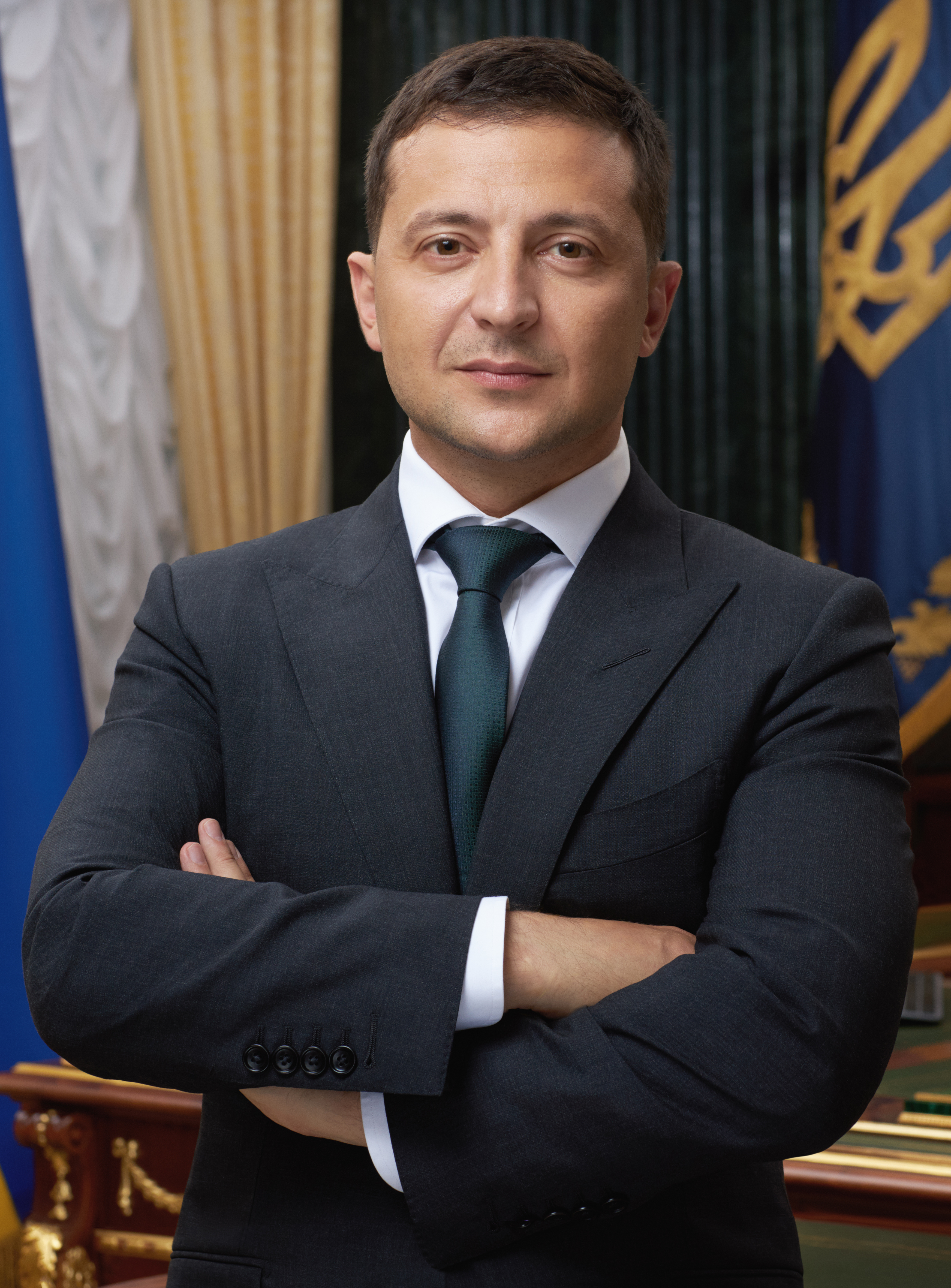
President Volodymyr Zelenskyy said the operation was designed to increase the cost of Russia's military actions. "We are increasing the price Russia pays for its aggression against our country and our people," Zelenskyy said [4].
A spokesperson for Ukraine's Security Service, known as the SSU, confirmed the technical details of the mission. The official said drones flew 800 km [3] to reach the Engels airbase and destroy the aircraft [2].
While current reports focus on the destruction of one Tu-95 bomber [1], other figures regarding the broader conflict vary. A previous report indicated that Ukraine had destroyed 41 Russian bomber planes deep inside Russian territory [5].
The Engels-2 facility is located in the Saratov region of Russia [1]. The SBU and SSU have increasingly targeted such installations to disrupt the logistics, and launch capabilities, of the Russian Aerospace Forces.
Zelenskyy said the strike is part of a broader strategy to stop missile attacks on civilian populations [4]. The use of long-range drones allows Ukraine to project power far beyond its borders, creating a new layer of risk for Russian military infrastructure.
“Our drones flew 800 km to destroy a Tu-95 bomber at Russia’s Engels air base.”
The strike on the Engels-2 airbase demonstrates Ukraine's evolving long-range strike capabilities. By successfully hitting a Tu-95 bomber—a cornerstone of Russia's strategic aviation—Ukraine is not only reducing the number of available launch platforms for cruise missiles but is also forcing Russia to relocate its air assets further from the front lines, thereby increasing the flight time and reducing the efficiency of Russian aerial campaigns.

