Ukrainian drone operators carried out a large-scale night attack that disabled two major Russian oil refineries [1].
The strikes target the critical fuel infrastructure required to maintain Russian military logistics. By disrupting the production of refined petroleum, Ukraine aims to hinder the movement and operations of occupation forces stationed on the southern front [1].
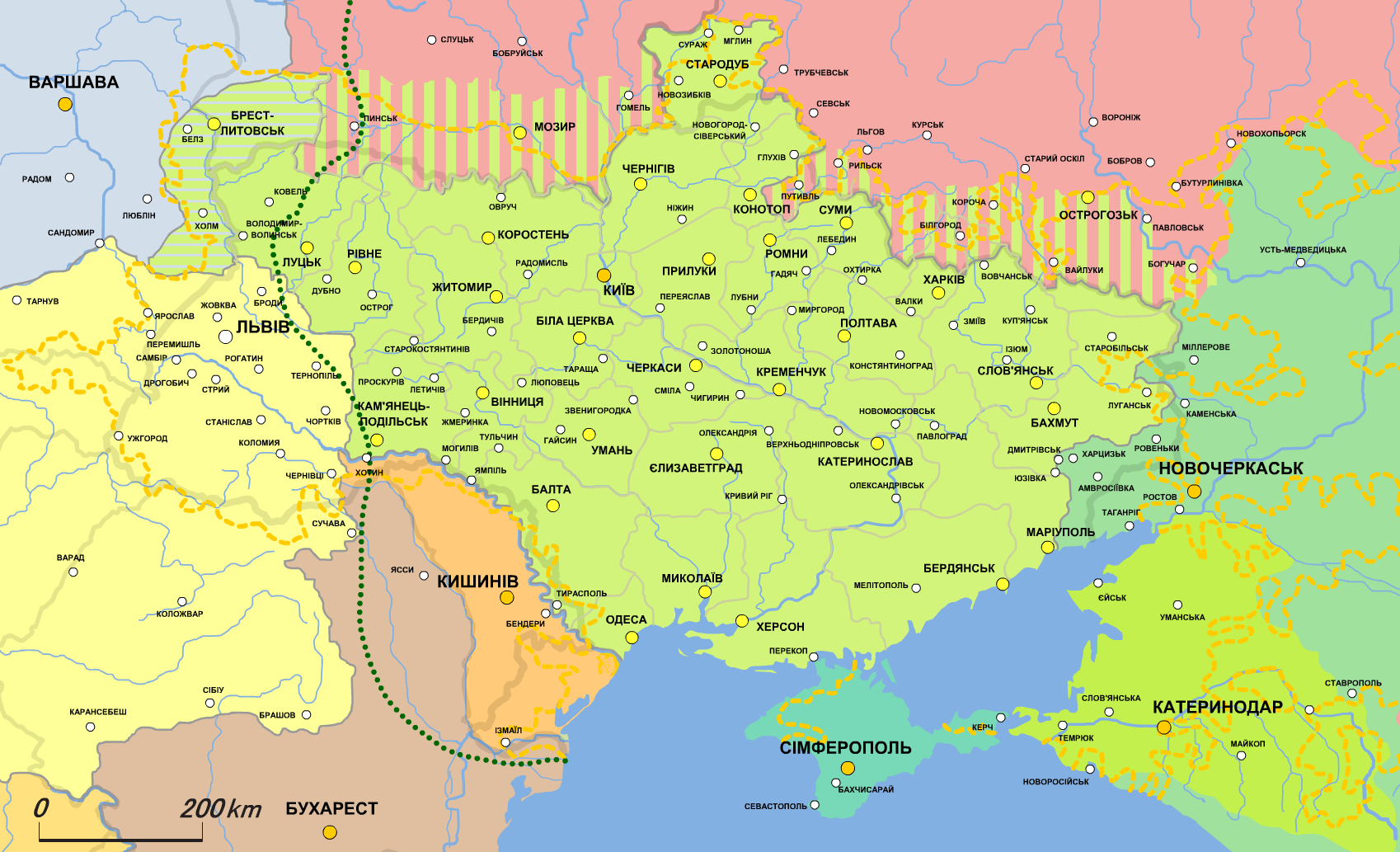
The operation hit the Afipsky refinery in the Kuban region and the Novoshakhtinsk refinery in the Rostov region [1]. These two facilities represent a significant portion of the regional energy infrastructure. According to reports, the combined annual processing capacity of the two hit refineries is over 13 million tonnes of oil per year [2].
Nighttime drone strikes have become a recurring tactic for Ukrainian forces to project power deep into Russian territory. These operations focus on high-value industrial targets that are difficult to replace or repair quickly. The Afipsky and Novoshakhtinsk sites are key nodes in the supply chain for the southern military districts [1].
Russian officials have not provided a detailed assessment of the structural damage or the timeline for repairs. However, the loss of processing capacity creates an immediate gap in the availability of fuel for both civilian and military use in the affected regions [1].
This escalation in targeting energy infrastructure follows a pattern of systematic attacks on the Russian oil sector. By focusing on refineries rather than storage tanks, the strikes aim to create long-term bottlenecks in fuel production [1].
“Ukrainian drone operators carried out a large-scale night attack that disabled two major Russian oil refineries”
The targeting of the Afipsky and Novoshakhtinsk refineries represents a strategic shift toward degrading Russia's internal fuel production. By removing over 13 million tonnes of annual capacity, Ukraine is not only attacking the Russian economy but specifically targeting the logistical lifeline of the southern front. If these facilities remain offline, Russia may be forced to divert fuel from other regions or increase imports, potentially slowing the tempo of military operations in the south.


