Ukrainian drone strikes disabled 13 Russian airports and targeted military and industrial sites following Russian attacks on Ukrainian cities [1].
These escalating exchanges highlight a shift toward deep-strike capabilities and the continued targeting of civilian infrastructure on both sides of the conflict.
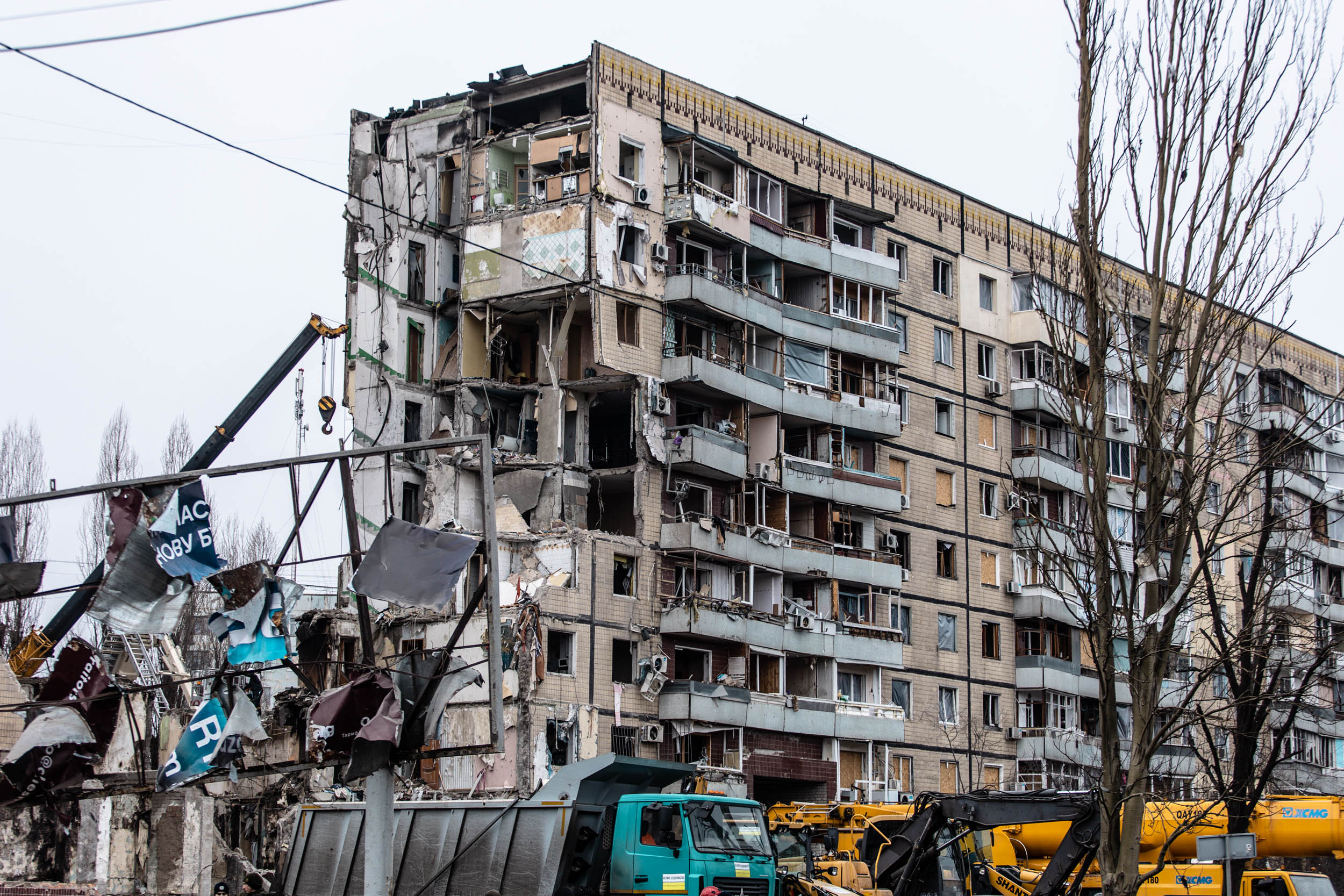
Russian forces conducted strikes on Merefa in the Kharkiv region, the Poltava region, and Dnipro [1]. These attacks resulted in dozens of people being killed and injured [1]. The strikes coincided with commemorations for the Day of Remembrance and Victory over Nazism [1].
In response, Ukrainian forces launched mass drone attacks across Russian territory [1]. The operations disabled 13 airports and targeted refineries and military installations [1]. These strikes hit sites in Chechnya, Yaroslavl, and the Moscow region [1].
Diplomatic tensions in Europe also intensified this week. Austria expelled Russian spies, while Hungary returned assets belonging to Oschadbank [1]. These moves reflect a tightening of security and financial restrictions within the European Union.
While the drone strikes targeted logistical and military hubs, the Russian strikes focused on residential and regional centers [1]. This pattern of warfare continues to strain regional stability and international diplomatic relations.
“Ukrainian drone attacks stopped the work of 13 Russian airports.”
The simultaneous targeting of Russian aviation hubs and Ukrainian civilian centers suggests a strategy of mutual attrition. By disabling 13 airports, Ukraine is attempting to degrade Russia's logistical capacity and air superiority, while the diplomatic actions by Austria and Hungary indicate a broader European effort to purge Russian intelligence and financial influence from the region.


