Ukrainian forces used mid-range drones to strike Russian warehouses, shipping, and logistics targets overnight on June 20-21, 2026 [1, 2].
These operations represent a strategic effort by Ukraine to cripple Russian supply lines ahead of a planned summer offensive. By targeting the infrastructure that sustains military movement, Ukraine aims to degrade the Russian military's ability to reinforce its positions [1, 2].
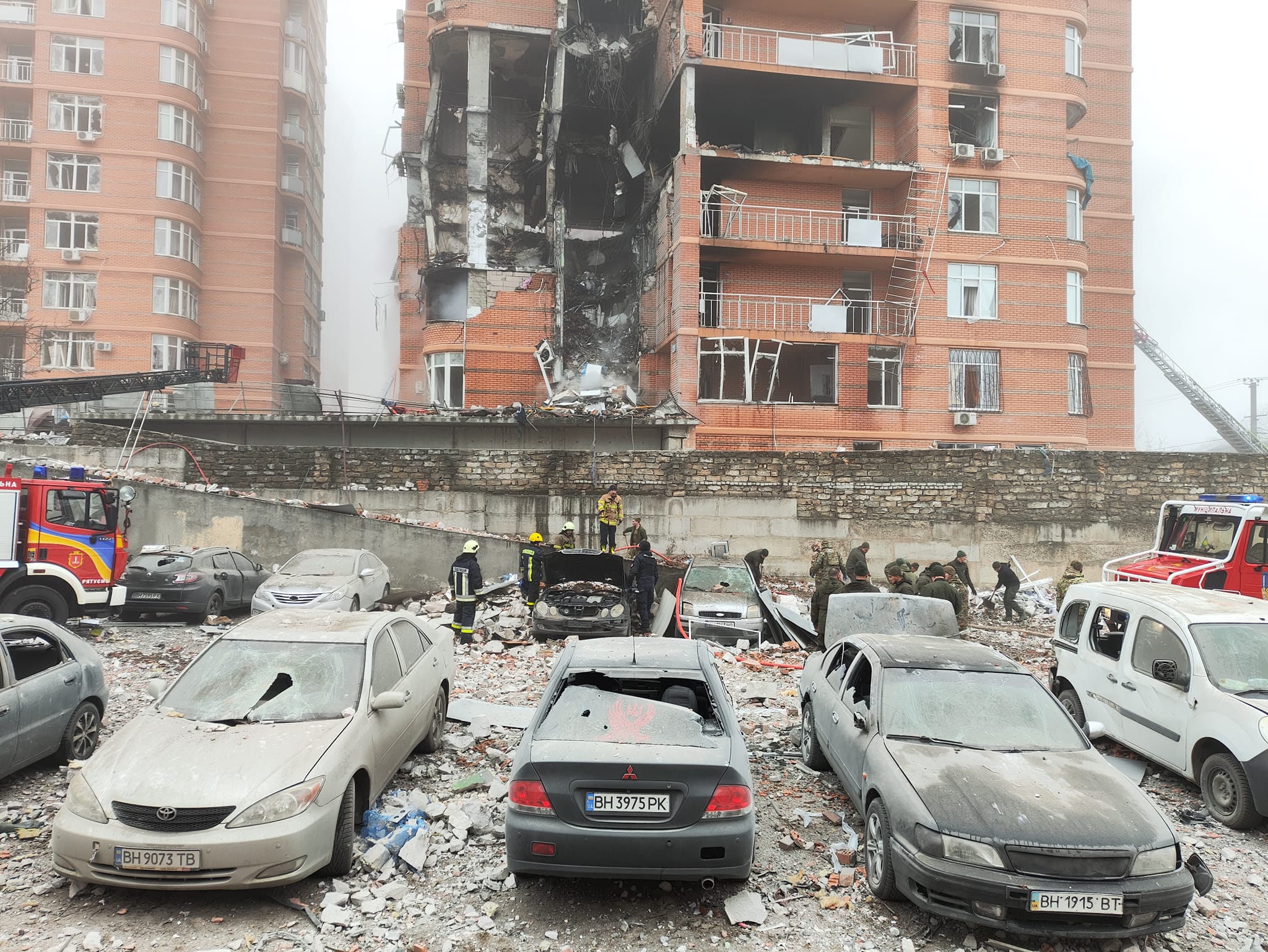
Russia responded to the logistics strikes with a large-scale counter-attack. Russian forces launched more than 40 missiles [1] and 125 drones [1] at targets across Ukraine. The barrage hit a variety of sites, including homes, offices, and industrial facilities [1, 2].
The Russian military said it launched the retaliation to defend its logistics network and to pressure Ukraine's air-defense capabilities [1, 2]. The scale of the response highlights the sensitivity of Russian supply chains to drone technology, which allows Ukraine to reach targets deep inside Russian territory.
While the specific damage to the Russian warehouses and shipping sites was not detailed, the Russian response focused heavily on civilian and industrial infrastructure [1, 2]. This pattern of escalation follows the deployment of mid-range drones, which extend the reach of Ukrainian strikes beyond previous operational limits [2].
“Ukraine aims to cripple Russian supply lines ahead of a planned summer offensive”
The shift toward mid-range drone strikes indicates a Ukrainian strategy to move the conflict's logistical burden into Russian territory. By forcing Russia to divert air-defense assets to protect domestic warehouses and shipping hubs, Ukraine may be attempting to create vulnerabilities in the frontline. However, the retaliatory strikes on Ukrainian civilian and industrial sites suggest Russia will use asymmetric escalation to pressure Ukraine's domestic stability and air-defense reserves.


